Tulbaghia cameronii
Baker
iNaturalist· cc-by-nc
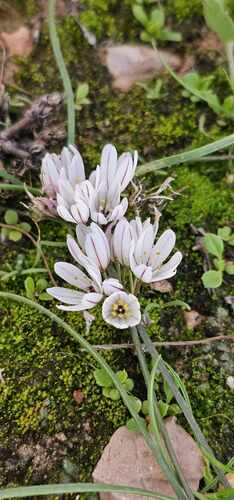
(c) Chingagweblessings, some rights reserved (CC BY-NC), uploaded by Chingagweblessings
Summary
Source: WikipediaTulbaghia cameronii is a species of wild garlic in the family Amaryllidaceae.
Description
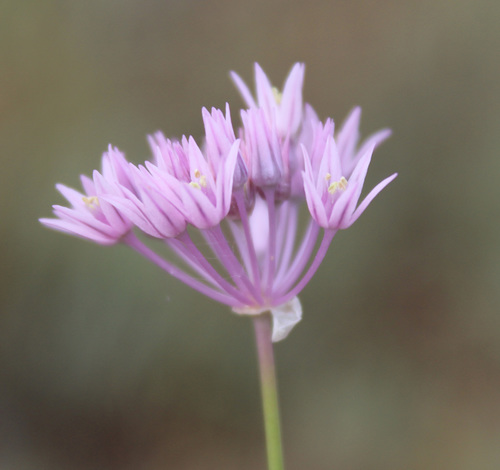
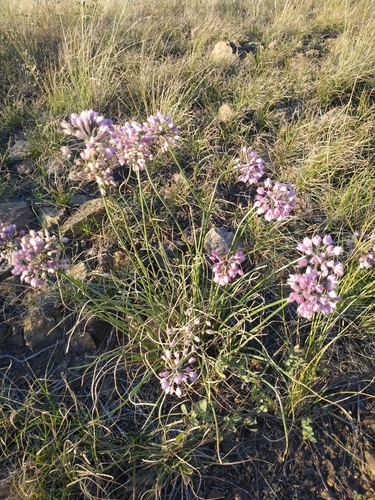
A herb. It has tuberous roots. The plant grows 30 cm high. The leaves are strap shaped. The flowers are small and white. They are in groups. They have a sweet smell.
Edible Uses
The leaves and flowers are cooked and eaten as a vegetable or with other greens.
Traditional Uses
The flowers are cooked with other greens and eaten. The leaves are cooked and eaten.
This uses section is brief — help expand it
Distribution
A tropical plant. It is usually between 1,000-1,550 m above sea level. It can be up to 2,400 m. It needs a well-drained soil.
Where It Grows
Africa, Cameroon, Congo DR, East Africa, Malawi, Namibia, South Africa, Southern Africa, Tanzania, Zambia, Zimbabwe,
Cultivation
Plants can be grown from fresh seeds. They need a sunny position and germinate in 14 days. Plants can also be grown by division.
Propagation
Seed - best sown as soon as it is ripe. Sown in a sunny position, the seed usually germinates within 14 days at a temperatures of 18 - 21°c. Prick out the seedlings into individual pots once they are large enough to handle and grow them on until large enough to plant out. Division. Best carried out as the plant comes back into growth after dormancy.
Notes
There are about 22 Tulbaghia species. They are tropical herbs. Also put in the families Alliaceae and Liliaceae.
Synonyms
Also Known As
Katsopi
References (6)
- Grubben, G. J. H. and Denton, O. A. (eds), 2004, Plant Resources of Tropical Africa 2. Vegetables. PROTA, Wageningen, Netherlands. p 538
- Jardin, C., 1970, List of Foods Used In Africa, FAO Nutrition Information Document Series No 2.p 108
- Martin, F.W. & Ruberte, R.M., 1979, Edible Leaves of the Tropics. Antillian College Press, Mayaguez, Puerto Rico. p 202
- Peters, C. R., O'Brien, E. M., and Drummond, R.B., 1992, Edible Wild plants of Sub-saharan Africa. Kew. p 7 (As cameronii)
- Williamson, J., 2005, Useful Plants of Malawi. 3rd. Edition. Mdadzi Book Trust. p 251
Show all 6 references Hide references
- World Checklist of Useful Plant Species 2020. Royal Botanic Gardens, Kew