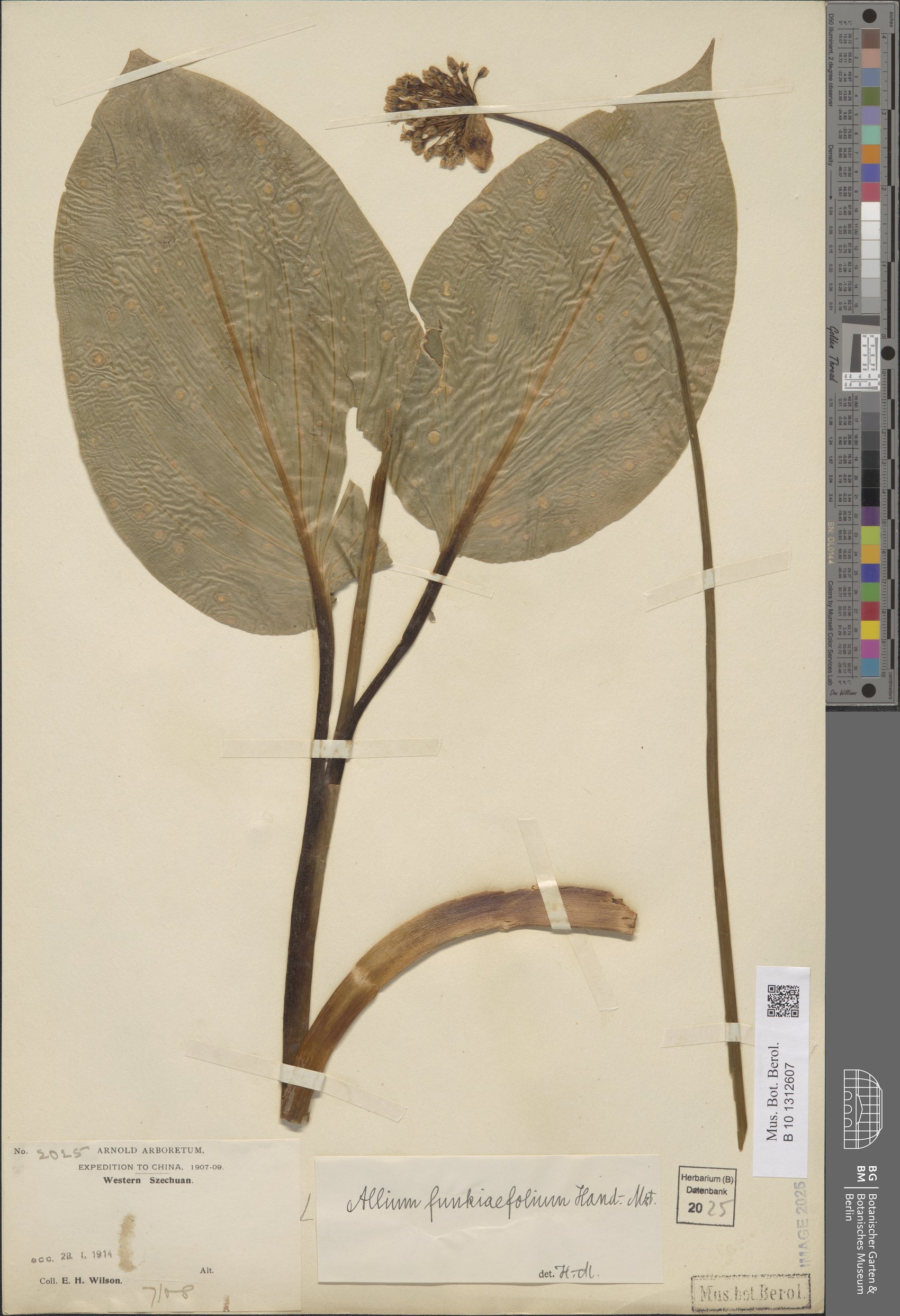
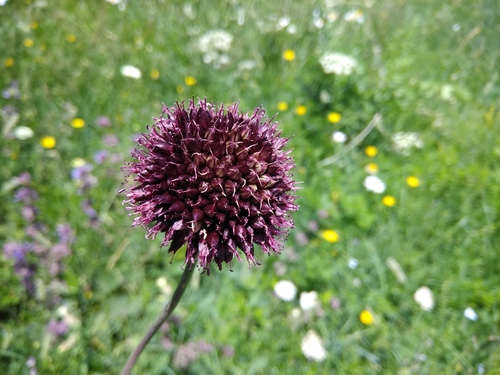
Allium neapolitanum
Cirillo
Naple’s garlic, Naples onion
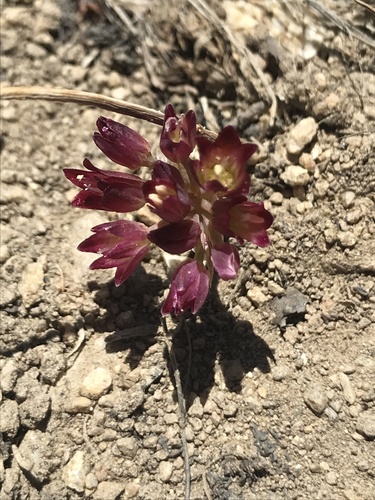
iNaturalist· cc-by-nc-sa
(c) Vicenç Dorsé, some rights reserved (CC BY-NC-SA)
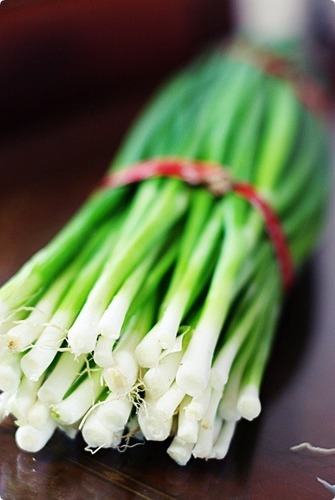
iNaturalist· cc-by-nc-sa
(c) Ahmed Mujčinović, some rights reserved (CC BY-NC-SA), uploaded by Ahmed Mujčinović
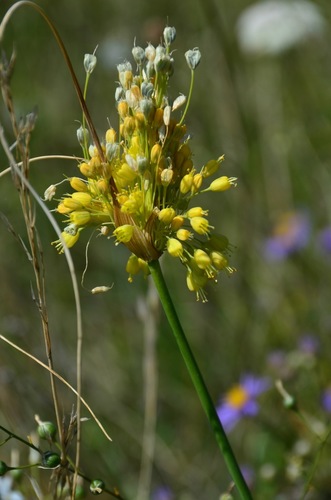
iNaturalist· cc-by
(c) Gianni Del Bufalo bygdb, some rights reserved (CC BY), uploaded by Gianni Del Bufalo bygdb
Summary
Source: WikipediaAllium neapolitanum is a bulbous herbaceous perennial plant in the onion subfamily within the Amaryllis family. Common names include Neapolitan garlic, Naples garlic, daffodil garlic, false garlic, flowering onion, Naples onion, Guernsey star-of-Bethlehem, star, white garlic, and wood garlic.
Description
An onion family plant. A bulb plant. It grows to 10-30 cm high. The bulbs are 10 - 20 mm across. There are 2-3 flat leaves with keels per bulb. The leaves are narrow and blue-green. They are 30 cm long. The flower stems are almost triangle shaped. They can be 60 cm long. The flowers are white and cup-shaped. They are in a slightly nodding head. The heads are 8 cm wide. They have a sweet scent.
Edible Uses
The leaves are edible raw or cooked and are particularly valued from late autumn through early spring. They start sweet and develop a fairly strong garlic-like flavour, and are considered delicious in salads by most who try them. The bulbs — 10 to 20mm in diameter — are small but have a very pleasant mild garlic flavour; sliced, they make a delicious addition to salads and can be used as a vegetable or flavouring in cooked foods. They are harvested in mid summer once the plant dies down and will store for six months or more. The white flowers are excellent in salads, adding visual appeal along with a strong onion flavour, and can also be eaten cooked.
Traditional Uses
The bulbs are eaten raw or cooked. The leaves are eaten raw or cooked. The flowers are used raw or cooked.
This uses section is brief — help expand it
Medicinal Uses
No specific medicinal uses have been recorded for this species, but members of this genus are generally considered healthy dietary additions. They contain sulphur compounds — responsible for their onion flavour — which, when eaten regularly, can help reduce blood cholesterol levels, support digestive health, and tonify the circulatory system.
Known Hazards
Although no individual reports regarding this species have been seen, there have been cases of poisoning caused by the consumption, in large quantities and by some mammals, of certain members of this genus. Dogs seem to be particularly susceptible.
Distribution
It is a warm temperate to Mediterranean climate plant. It grows in dry grassy and stony habitats. In Hobart Botanical gardens. It suits hardiness zones 8-10. Tasmania Herbarium.
Where It Grows
Africa, Albania, Asia, Australia, Canada, Chile, Cyprus, Europe, France, Greece, Israel, Italy, Jordan, Mediterranean, Mexico, Middle East, North Africa, North America, Portugal, Slovenia, South America, Spain, Tasmania, Turkey, Türkiye, USA,
Cultivation
An easily grown plant, it prefers a sheltered sunny position in light, well-drained soil. Established plants are reasonably drought-tolerant. Plants are said to be rather frost-tender. They probably tolerate temperatures down to between -5 and -10°c and can only be grown outdoors in the milder areas of the country. The dormant bulbs are fairly hardy and withstand soil temperatures at least -5°c. The bulbs should be planted fairly deeply. Most members of this genus are intolerant of competition from other growing plants. A very ornamental plant, it is sometimes grown as a decorative indoor plant. There is at least one named variety, 'Grandiflorum', which has a richer display of flowers than the type. In sunny weather, the flowers develop a sweet scent. Plants come into new growth in late autumn and provide edible leaves throughout most winters. When well-sited, plants can sometimes self-sow to the point of nuisance. Grows well with most plants, especially roses, carrots, beet and chamomile, but it inhibits the growth of legumes. This plant is a bad companion for alfalfa, and each species negatively affects the other. Members of this genus are rarely if ever, troubled by browsing deer. Alliums are typically harvested in late spring to early summer when the bulbs mature and the tops begin to yellow. Allium species typically flower in late spring to early summer, depending on the species and local climate conditions. Allium species generally have a moderate growth rate, with bulbs typically taking about 100 to 150 days from planting to harvest, depending on the variety and growing conditions.
Propagation
Sow seed in spring in a greenhouse, or in a cold frame as soon as it is ripe in early summer. Prick out seedlings into individual pots once large enough to handle — placing three plants per pot will produce clumps more quickly. Grow on through the first winter in a greenhouse and plant out in late summer while the bulbs are dormant. Division is done in summer once the plant has died down. The bulbs divide freely and can be planted directly into their permanent positions.
Other Uses
The plant juice can be used as a moth repellent, and the whole plant is said to repel both insects and moles. The flowers are rich in nectar and pollen, attracting pollinators such as bees and butterflies. The bulbs, leaves, and flowers provide food for wildlife, and leaf litter offers some habitat value. The strong sulphur-compound aroma of the plant can act as a natural pest confuser, helping to deter pests.
Notes
There are about 300-700 Allium species. Most species of Allium are edible (Flora of China). All alliums are edible but they may not all be worth eating! They have also been put in the family Alliaceae.
Synonyms
Also Known As
Cebollina, Daffodil garlic, Flowering onion, Neapeljski luk, White Garlic, Yabani sarmisak
References (27)
- Blamey, M and Grey-Wilson, C., 2005, Wild flowers of the Mediterranean. A & C Black London. p 485
- Ciftcioglu, C. G., 2015, Sustainable wild-collection of medicinal and edible plants in Lefke region of North Cyprus. Agroforest Syst. Springer
- Crawford, M., 2012, How to grow Perennial Vegetables. Green Books. p 93
- Cundall, P., (ed.), 2004, Gardening Australia: flora: the gardener's bible. ABC Books. p 127
- Curtis, W.M., & Morris, D.I., 1994, The Student's Flora of Tasmania. Part 4B St David's Park Publishing, Tasmania, p 392
Show all 27 references Hide references
- Della, A., et al, 2006, An ethnobotanical survey of wild edible plants of Paphos and Larnaca countryside of Cyprus. J. Ethnobiol. Ethnomed. 2:34
- Hadjichambis, A. C., et al, 2007, Wild and semi-domesticated food plant consumption in seven circum-Mediterranean areas. International Journal of Food Sciences and Nutrition. 2007, 1-32.
- Hedrick, U.P., 1919, (Ed.), Sturtevant's edible plants of the world. p 40
- Hussey, B.M.J., Keighery, G.J., Cousens, R.D., Dodd, J., Lloyd, S.G., 1997, Western Weeds. A guide to the weeds of Western Australia. Plant Protection Society of Western Australia. p 16
- Lamberton, K (Ed.), 2004, The Australian gardening encyclodepia. Murdoch Books, NSW Australia. p 157
- Lazarides, M. & Hince, B., 1993, Handbook of Economic Plants of Australia, CSIRO. p 13
- Lim, T. K., 2015, Edible Medicinal and Non Medicinal Plants. Volume 9, Modified Stems, Roots, Bulbs. Springer p 3
- Low, T., 1991, Wild Herbs of Australia and New Zealand. Angus & Robertson. p 105
- Low, T., 1992, Bush Tucker. Australia’s Wild Food Harvest. Angus & Robertson. p 181
- Oran, S. A. S., 2015, Selected Wild Aromatic Plants in Jordan. International Journal of Medicinal Plants. Photon 108 (2015) 686-699
- Paczkowska, G. & Chapman, A.R., 2000, The Western Australian Flora. A Descriptive Catalogue. Western Australian Herbarium. p 29
- Pascual-Mendoza, S. et al, 2021, Traditional knowledge of edible plants in an indigenous community in the Sierra Norte of Oaxaca, Mexico. Plant Biosystems - An International Journal Dealing with all Aspects of Plant Biology
- Plants for a Future database, The Field, Penpol, Lostwithiel, Cornwall, PL22 0NG, UK. http://www.scs.leeds.ac.uk/pfaf/
- Pl. rar. neapol. 1:13, t. 4. 1788
- Rivera, D. et al, 2006, Gathered Mediterranean Food Plants - Ethnobotanical Investigations and Historical Development, in Heinrich M, Müller WE, Galli C (eds): Local Mediterranean Food Plants and Nutraceuticals. Forum Nutr. Basel, Karger, 2006, vol 59, pp 18–74
- Seidemann J., 2005, World Spice Plants. Economic Usage, Botany, Taxonomy. Springer. p 21
- Tardio, J., et al, 2006, Ethnobotanical review of wild edible plants in Spain. Botanical J. Linnean Soc. 152, 27-71
- Tasmanian Herbarium Vascular Plants list p 68
- Wiersema, J. H. & Leon, B., 2013, World Economic Plants. A Standard Reference CRC Press. 2nd Ed. p 35
- Woodward, P., 1996, Garlic and Friends. The History, Growth and Use of Edible Alliums. Hyland House. p 194
- World Checklist of Useful Plant Species 2020. Royal Botanic Gardens, Kew
- www.chileflora.com/FloraEnglish/PIC_Edible plants.php