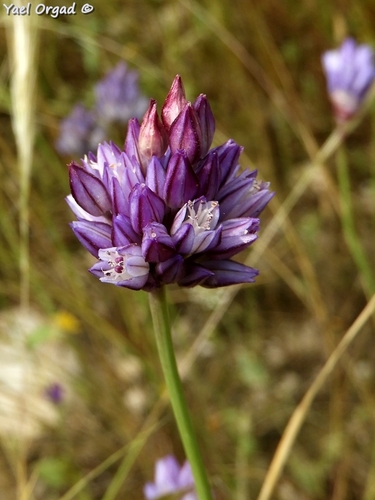
Allium pendulinum
Ten.
Italian garlic
iNaturalist· cc-by-nc
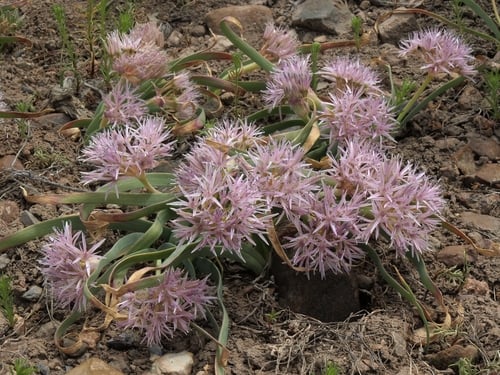
(c) Exner Tamás, some rights reserved (CC BY-NC), uploaded by Exner Tamás
iNaturalist· cc-by-nc
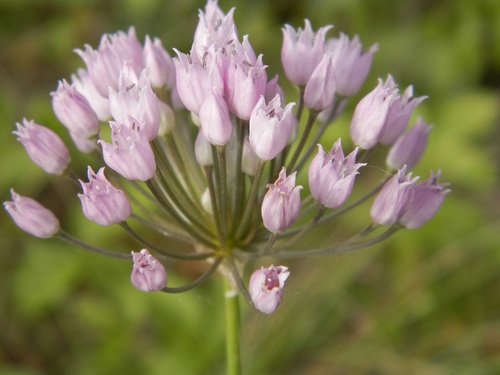
(c) Martin Geiger, some rights reserved (CC BY-NC), uploaded by Martin Geiger
iNaturalist· cc-by-nc
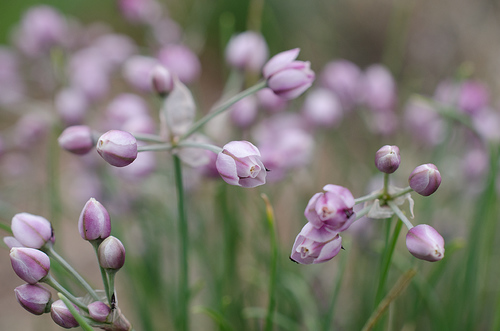
(c) martaset87, some rights reserved (CC BY-NC)
Summary
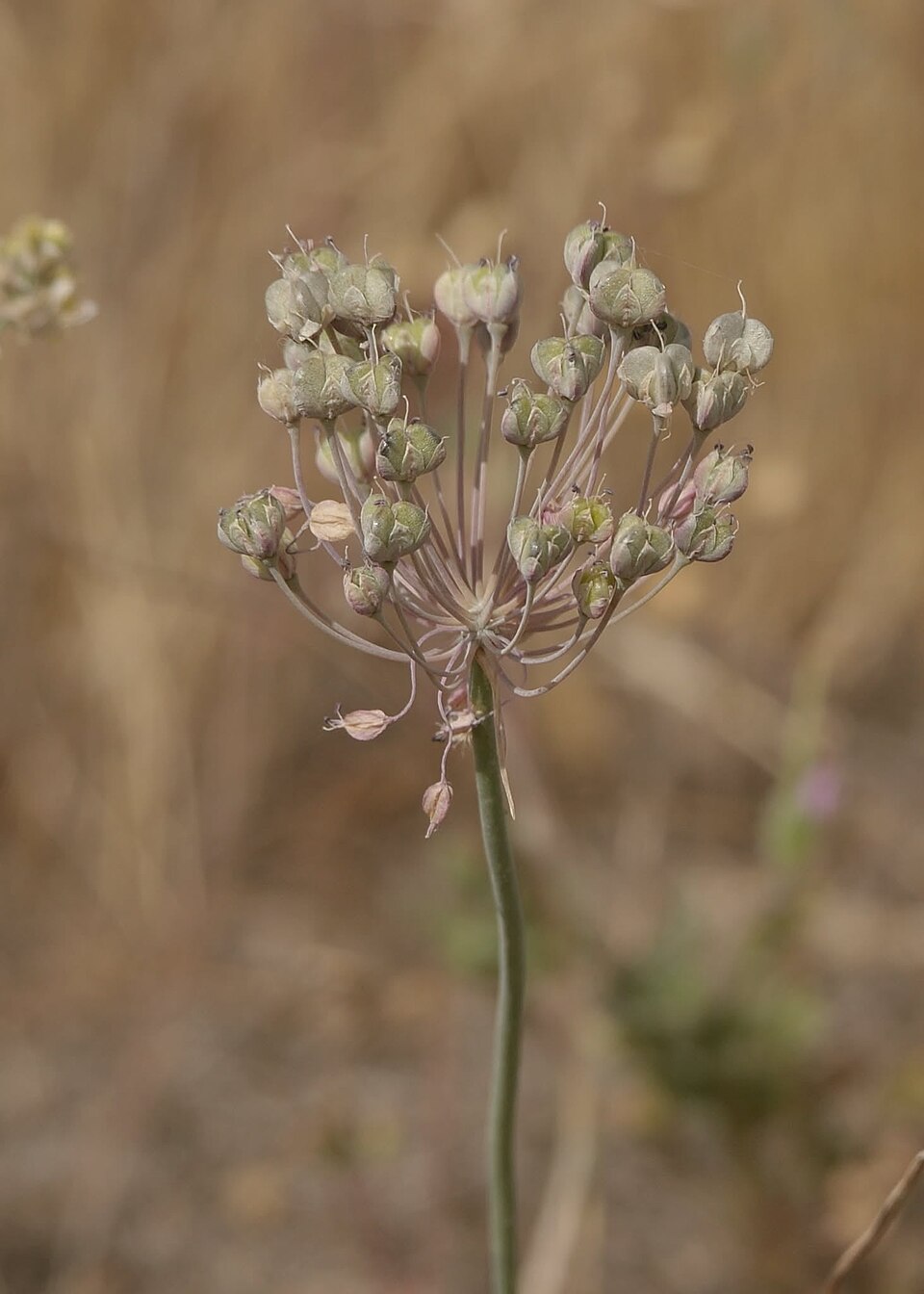
Source: WikipediaAllium pendulinum, called Italian garlic, is a plant species known only from Sardinia, Sicily, Corsica and mainland Italy. Allium pendulinum is a perennial herb up to 25 cm tall but usually much shorter. It generally produces only leaves, both of which wither before flowering time. There is no spathe at flowering time. Umbel has only a few flowers, usually less than 10, all on long pedicels and very often drooping (nodding, hanging downward). Tepals are white, each with three thin prominent green veins; anthers cream; ovary at flowering time green.
Description
A short onion plant with a bulb. It keeps growing from year to year. The flowers are 3-5 mm long and borne in a group spreading around the flower stalk. The flowers are white. It is like three-cornered leek (Allium triquetrum).
Edible Uses
The bulb, up to 10mm in diameter, can be eaten raw or cooked. Leaves are also edible raw or cooked, and the flowers can be used raw as a garnish on salads.
Traditional Uses
The leaves and bulbs are eaten raw in salads and also cooked.
This uses section is brief — help expand it
Medicinal Uses
No specific medicinal uses have been recorded for this species, but members of this genus are generally considered healthy dietary additions. They contain sulphur compounds responsible for their onion flavour, and regular consumption is thought to help reduce blood cholesterol levels, tone the digestive system, and support circulatory health.
Known Hazards
Although no individual reports regarding this species have been seen, there have been cases of poisoning caused by the consumption, in large quantities and by some mammals, of certain members of this genus. Dogs seem to be particularly susceptible.
Distribution
It is a Mediterranean climate plant.
Where It Grows
Australia, Europe, Italy, Mediterranean, San Marino, Sicily,
Cultivation
Prefers a sunny position in a light well-drained soil. Succeeds in light shade, growing well in light woodland. Closely related to A. triquetrum, although we have found no written records of its edibility, it can be used in all the same ways as A. triquetrum. The bulbs should be planted fairly deeply. Most members of this genus are intolerant of competition from other growing plants. Grows well with most plants, especially roses, carrots, beet and chamomile, but it inhibits the growth of legumes. This plant is a bad companion for alfalfa, each species negatively affecting the other. Members of this genus are rarely if ever troubled by browsing deer.
Propagation
Sow seed in spring in a cold frame. Prick seedlings into individual pots once large enough to handle — placing three per pot will build clumps more quickly. Grow under greenhouse conditions for at least the first winter, then plant out in spring once vigorous and sufficiently sized. Division is best done in spring, though plants can be divided at any point during the growing season; pot up divisions in a cold frame or greenhouse until growing well before planting out into permanent positions.
Other Uses
The plant juice acts as a moth repellent. The whole plant is also said to repel insects and moles.
Notes
There are about 300-700 Allium species. Most species of Allium are edible (Flora of China). All alliums are edible but they may not all be worth eating! They have also been put in the family Alliaceae.
Synonyms
Also Known As
Agghiu sarvaggiu, Aglio pendulo, Liscina
References (8)
- Blamey, M and Grey-Wilson, C., 2005, Wild flowers of the Mediterranean. A & C Black London. p 485
- Biscotti, N. & Pieroni, A., 2015, The hidden Mediterranean diet: wild vegetables traditionally gathered and consumed in the gargano area, Apulia, SE Italy. Acta Societatis Botanicorum Poloniae 84 (3): 327-338
- Biscotti, N. et al, 2018, The traditional food use of wild vegetables in Apulia (Italy) in the light of Italian ethnobotanical literature. Italian Botanist 5:1-24
- Brevard County Edible Acres
- Geraci, A., et al, 2018, The wild taxa utilized as vegetables in Sicily (Italy): a traditional component of the Mediterranean diet. Journal of Ethnobiology and Ethnomedicine (2018) 14:14
Show all 8 references Hide references
- Pasta, S., et al, 2020, An Updated Checklist of the Sicilian Native Edible Plants: Preserving the Traditional Ecological Knowledge of Century-Old Agro-Pastoral Landscapes. Frontiers in Plant Science. Volume 11|Article 388
- Plants for a Future database, The Field, Penpol, Lostwithiel, Cornwall, PL22 0NG, UK. http://www.scs.leeds.ac.uk/pfaf/
- Syll. pl. fl. neapol. 168, t. 31. 1831