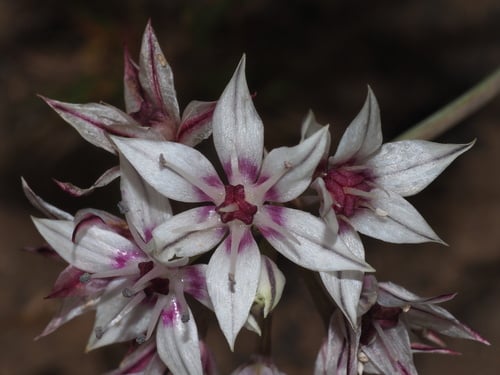
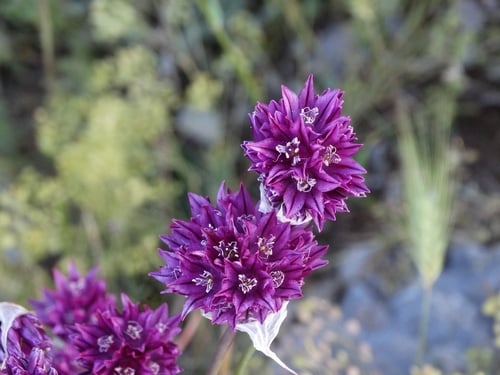
Allium ovalifolium
Hand.-Mazz.
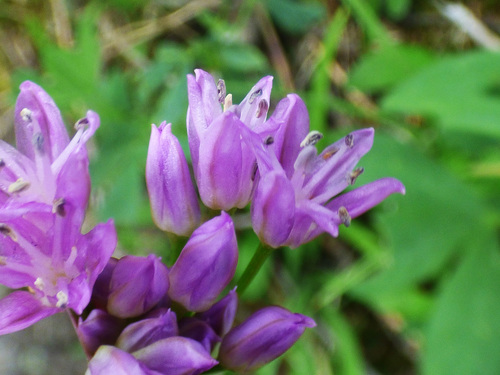
iNaturalist· cc-by-nc-sa
(c) Ed Shaw, some rights reserved (CC BY-NC-SA)
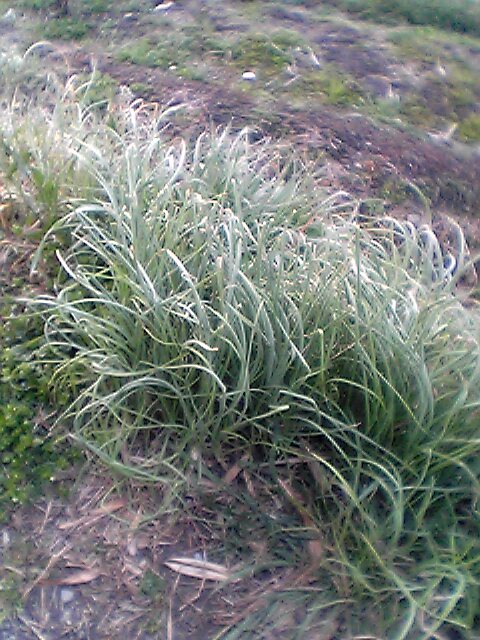
iNaturalist· cc-by-sa
(c) peganum, some rights reserved (CC BY-SA)
Summary
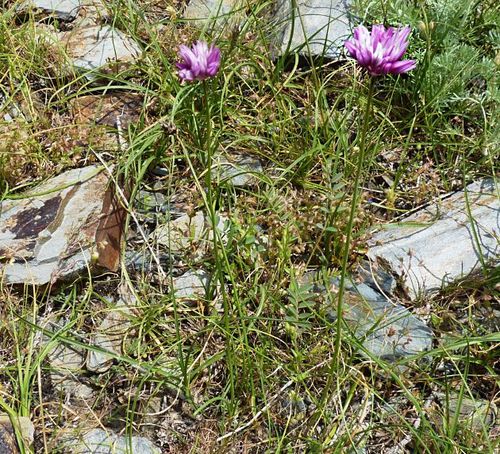
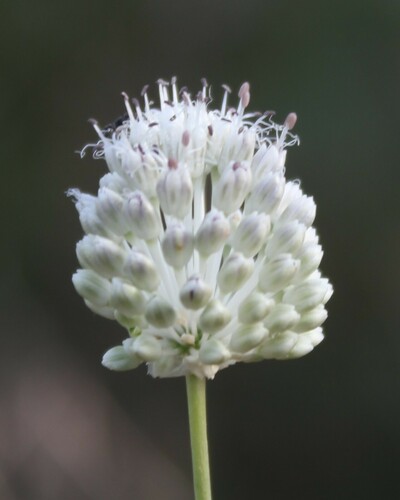
Source: WikipediaAllium ovalifolium is a Chinese species of onion widely cultivated as an ornamental in other regions. It grows at elevations of 1500–4000 m. The Tibetan people of Shangri-La and nearby areas eat its scapes. Allium ovalifolium produces narrow cylindrical bulbs. Scapes are up to 60 cm tall, round in cross-section. Leaves are flat, lanceolate to ovate, up to 15 cm long by 7 cm wide. Umbel is spherical, densely crowded with many white or pale red flowers. Varieties Allium ovalifolium var. cordifolium (J.M.Xu) J.M.Xu - Sichuan Allium ovalifolium var. leuconeurum J.M.Xu - Sichuan Allium ovalifolium var. ovalifolium - Gansu, Guizhou, Hubei, Qinghai, Shaanxi, Sichuan, Yunnan
Description
An onion herb. There can be one or a cluster of bulbs. There are 2 leaves. They are sword shaped and 5-15 cm long by 3-7 cm wide. The base is deeply heart shaped. The stalk is 30-60 cm long.
Edible Uses
The leaves are cooked in stir fry dishes and added to soups.
Traditional Uses
The leaves are cooked in stir fry dishes and added to soups.
This uses section is brief — help expand it
Distribution
It is a temperate plant. It grows on the edges of forests and along stream banks between 1,500-4,000 m above sea level. It grows in Sichuan and Yunnan in China.
Where It Grows
Asia, China, Himalayas, Tibet,
Notes
They have also been put in the family Alliaceae.
Also Known As
Gejiu, Rijiucai, Yejiu
References (3)
- Ju, Y., et al, 2013, Eating from the wild: diversity of wild edible plants used by Tibetans in Shangri-la region, Yunnan, China, Journal of Ethnobiology and Ethno medicine 9:28
- Kang, Y., et al, 2012, Wild food plants and wild edible fungi in two valleys on the Qinling Mountains (Shaanxi, central China) Journal of Ethnobiology and Ethnomedicine; 9:26
- Wang, J., et al, 2020, An ethnobotanical survey of wild edible plants used by the Yi people of Liangshan Prefecture, Sichuan Province, China. Journal of Ethnobiology and Ethnomedicine 16:10