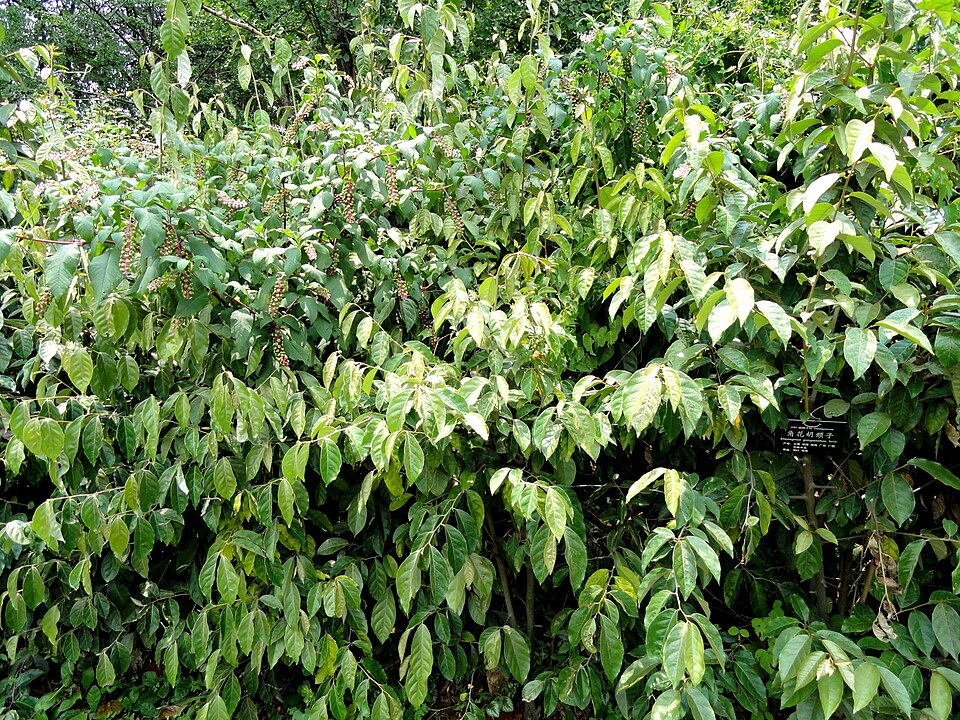
Hippophae salicifolia
D. Don
Willow-leaved Sea Buckthorn
iNaturalist· cc-by-nc
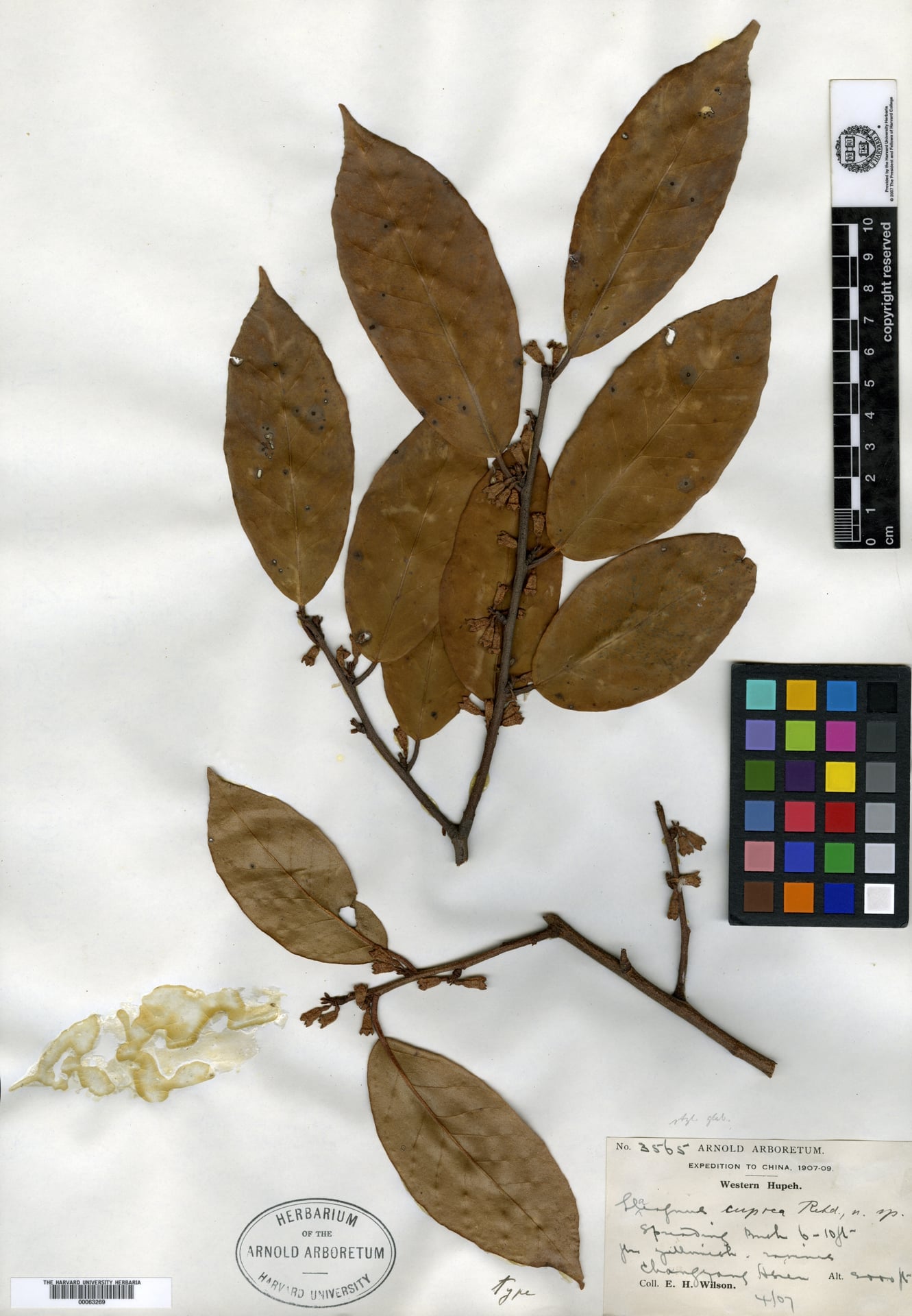
(c) T. Abe Lloyd, some rights reserved (CC BY-NC), uploaded by T. Abe Lloyd
iNaturalist· cc-by-nc
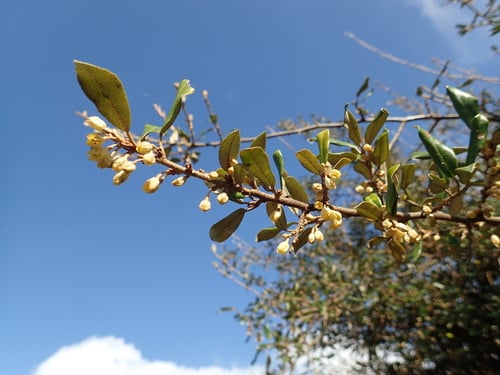
(c) khola, some rights reserved (CC BY-NC)
iNaturalist· cc-by-nc
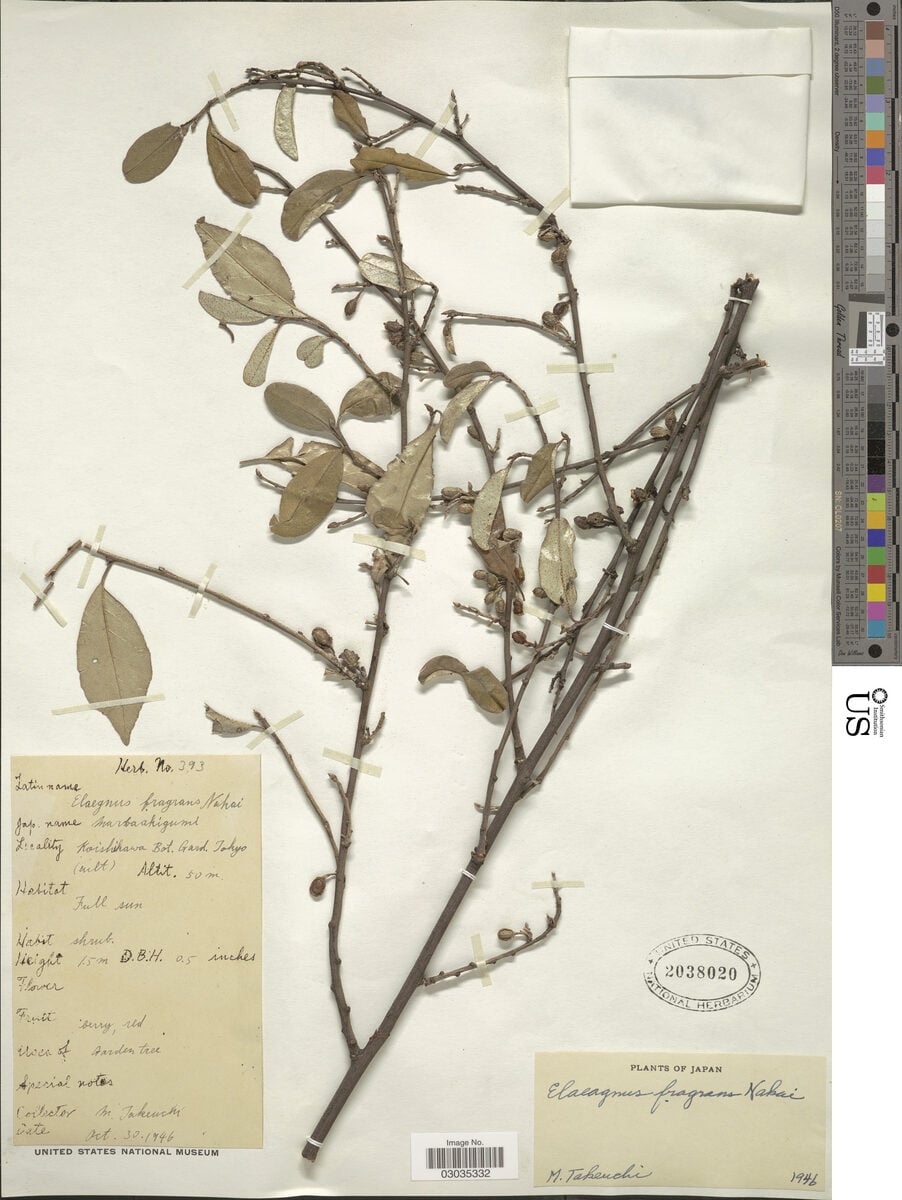
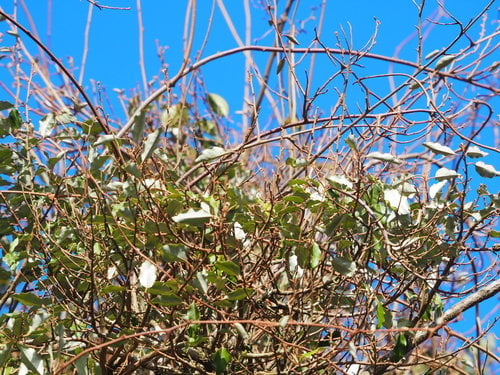
(c) khola, some rights reserved (CC BY-NC)
Summary
Source: WikipediaHippophae salicifolia, commonly known as the willow-leaved sea buckthorn, is a plant species in the genus Hippophae. A hardy shrub or small tree with simple and delicate flowers, and berries and leaves are manufactured into various human and animal food and skincare products. It is restricted to the Himalayas, growing at high altitudes in dry valleys. It is a low shrub not growing taller than 1 m (3 ft 3 in) with small leaves 1–3 cm (1⁄2–1+1⁄4 in) long. It has distinct dioecious characteristics with an XY sex determination system that has been studied through its genome sequencing.
Description
A deciduous tree. It grows to about 10 m high. The trunk is 30 cm across. The branches are drooping. The bark is reddish brown. It has deep furrows along it. The leaves have stalks. The leaves are oblong or sword shaped with hairs above. The leaves are silvery-grey underneath. The flowers are yellow. The fruit are oval and yellow. They have scales. They are acidic.
Edible Uses
The fruit can be eaten raw or cooked and is considered possibly the most nutritious fruit that can be grown in temperate climates — very rich in vitamins, especially vitamin C, plus minerals, bioflavonoids, and essential fatty acids. It ripens in late summer but can be eaten for about a month before that point, and will hang on the tree until mid-winter, by which time the flavour becomes much milder, though the fruit also becomes very soft and difficult to pick. The flavour is sharp and lemon-like, which many people find too acidic, though many visitors find it enjoyable. It also works well as a salad dressing. Some species and cultivars (not specified) yield fruit containing up to 9.2% oil. The fruit is used for preserves and is increasingly added to mixed fruit juice blends for its reputed health benefits. It becomes less acid after a frost or when cooked.
Traditional Uses
The ripe fruit are eaten fresh or pickled. They are acid so are often used for jellies and syrups. They can be used for jams and wines. The dried leaves are used for tea.
Medicinal Uses
An oil produced from the tender branches and leaves — distinct from the fruit oil — is used as an ointment for burns. A high-quality medicinal oil from the fruit treats cardiac disorders and is said to be particularly effective on the skin for burns, eczema, and radiation injury; it is also taken internally for stomach and intestinal diseases. The fruit is exceptionally rich in vitamins A, C, and E, flavonoids, other bio-active compounds, and essential fatty acids — the last being unusual for a fruit. It is being investigated for its potential to reduce cancer incidence and halt or reverse tumour growth.
Distribution
It is a warm temperate plant. In Nepal they grow at 2200-3500 m altitude. In the Indian Himalayas it grows between 3,300-4,000 m above sea level. They grow on riverbanks. It suits hardiness zones 8-9.
Where It Grows
Asia, Bhutan, Britain, China, Europe, Himalayas, India, Indochina, Myanmar, Nepal, Northeastern India, Pakistan, SE Asia, Sikkim, Thailand, Tibet,
Cultivation
Succeeds in most soils so long as they are not too dry. Grows well by water. A fast-growing and very wind-resistant tree, it is an excellent pioneer species for re-establishing woodlands. This species is not hardy in the colder areas of the country, it tolerates temperatures down to about -10°c. Members of this genus are attracting considerable interest from breeding institutes for their nutrient-rich fruits that can promote the general health of the body (see edible and medicinal uses below). The deeply cleft bark favours the growth of epiphytes. Plants in this genus are notably resistant to honey fungus. This species has a symbiotic relationship with certain soil bacteria, these bacteria form nodules on the roots and fix atmospheric nitrogen. Some of this nitrogen is utilized by the growing plant but some can also be used by other plants growing nearby. Dioecious. Male and female plants must be grown if seed is required. The berries are typically harvested in late summer to early autumn depending on the specific species and local climate. Sea Buckthorn generally flowers in spring depending on the species and environmental conditions. Sea Buckthorn is a moderately fast-growing plant, typically reaching maturity in 3 to 5 years. It can grow to heights of 1 to 3 meters (3 to 10 feet) and can be quite hardy in various soil conditions, thriving in sandy and poor soils.
Propagation
Sow seed in spring in a sunny position in a cold frame. Germination is usually quick and reliable, though 3 months of cold stratification may improve the rate. Alternatively, sow in a cold frame as soon as seed ripens in autumn. Prick seedlings into individual pots when large enough to handle and grow on in a greenhouse through their first winter. Plant out in late spring. In spring, male seedlings have very prominent axillary buds, while females are smooth and clear at this time. Cuttings of half-ripe wood taken in June/July in a frame are possible but difficult, and represent the easiest method of vegetative propagation. Cuttings of mature wood in autumn are also difficult — take them at the end of autumn or in early spring before buds burst, store in sand and peat until April, cut into 7–9cm lengths, and root in a plastic tent with bottom heat; rooting should occur within 2 months. Division of suckers in winter can be planted directly into permanent positions and usually establishes well. Layering in autumn is also possible.
Other Uses
Sea Buckthorn is a nitrogen-fixing plant useful in agroforestry for improving soil fertility, erosion control, windbreaks, and ground cover. The plant grows very quickly even in areas exposed to maritime winds, making it an excellent pioneer species for establishing shelter and woodland conditions. Being very light-demanding, it is naturally shaded out as woodland trees mature and never overstays its welcome. The extensive, vigorous root system suckers freely and is highly effective at stabilising soil, particularly on slopes; the species is widely planted in the Himalayas to prevent landslips and support woodland re-establishment. The wood is very tough and hard, suitable for uses requiring strength such as wheel hubs, and is also used as fuel. The berries provide food for birds and small mammals, and the dense, thorny branches offer shelter and nesting sites for birds. The foliage and leaf litter create overwintering habitat for invertebrates.
Production
It is fast growing. In China plants flower in June and fruit in October.
Notes
There are about 8 Hippophae species. Fruit are very rich in Vitamin C.
Synonyms
Also Known As
Chhuchha, Chuma, Dale-chuk, Finchi, Nibha, Padang, Sarla, Star-bu, Tarbu, Tarbu namtar, Tircu
References (26)
- Ambasta, S.P. (Ed.), 2000, The Useful Plants of India. CSIR India. p 269
- Arora, R. K., 2014, Diversity in Underutilized Plant Species - An Asia-Pacific Perspective. Bioversity International. p 74
- Bhattarai, S and Chaudary, R. P., 2009, Wild Edible Plants Used by the People of Manang District, Central Nepal. Ecology of Food and Nutrition, 48:1-20
- Brown, D., 2002, The Royal Horticultural Society encyclopedia of Herbs and their uses. DK Books. p 236
- Dobriyal, M. J. R. & Dobriyal, R., 2014, Non Wood Forest Produce an Option for Ethnic Food and Nutritional Security in India. Int. J. of Usuf. Mngt. 15(1):17-37
Show all 26 references Hide references
- Etherington, K., & Imwold, D., (Eds), 2001, Botanica's Trees & Shrubs. The illustrated A-Z of over 8500 trees and shrubs. Random House, Australia. p 383
- Facciola, S., 1998, Cornucopia 2: a Source Book of Edible Plants. Kampong Publications, p 93
- Gautam, R. S., et al, 2020, Wild Edible Fruits of Nepal. Int. J. Appl. Sci. Biotechnol. Vol 8(3): 289-304
- Ghimire, S. K., et al, 2008, Non-Timber Forest Products of Nepal Himalaya. WWF Nepal p 59
- Hedrick, U.P., 1919, (Ed.), Sturtevant's edible plants of the world. p 346
- Kishor, A., et al, 2018, Wild Food Plants of Himachal Pradesh: A Review. Plant Archives Vol. 18 No.2 pp. 2737-2751
- Lyle, S., 2006, Discovering fruit and nuts. Land Links. p 243
- Manandhar, N.P., 2002, Plants and People of Nepal. Timber Press. Portland, Oregon. p 262
- Negi, P. S. & Subramani, S. P., 2015, Wild Edible Plant Genetic Resources for Sustainable Food Security and Livelihood of Kinnaur District, Himachal Pradesh, India, International Journal of Conservation Science. 6 (4): 657-668
- Plants for a Future database, The Field, Penpol, Lostwithiel, Cornwall, PL22 0NG, UK. http://www.scs.leeds.ac.uk/pfaf/
- Prodr. fl. nepal. 68. 1825
- Radha, B., et al, 2013, Wild Edible Plant Resources of the Lohba Range of Kedarnath Forest Division (KFD), Garhwal Himalaya, India. Int. Res J. Biological Sci. Vol. 2 (11), 65-73
- Rana, J.C. et al, 2011, Genetic resources of wild edible plants and their uses among tribal communities of cold arid regions of India. Genetic Resources and Crop Evolution. 59:135-149
- Rawat, G.S., & Pangtey, Y.P.S., 1987, A Contribution to the Ethnobotany of Alpine Regions of Kumaon. J. Econ. Tax. Bot. Vol. 11 No. 1 pp 139-147
- Savita, et al, 2006, Studies on wild edible plants of ethnic people in east Sikkim. Asian J. of Bio Sci. (2006) Vol. 1 No. 2 : 117-125
- Sharma, L. et al, 2018, Diversity, distribution pattern, endemism and indigenous uses of wild edible plants in Cold Desert Biosphere Reserve of Indian Trans Himalaya. Indian Journal of Traditional Knowledge. Vol 17(1) January 2018 pp 122-131
- Singh, H.B., Arora R.K.,1978, Wild edible Plants of India. Indian Council of Agricultural Research, New Delhi. p 65
- Tanaka,
- Upreti, K., et al, 2010, Diversity and Distribution of Wild Edible Fruit Plants of Uttarakhand. Bioversity Potentials of the Himalaya. p 174
- Uprety, Y., et al, 2016, Traditional use and management of NTFPs in Kangchenjunga Landscape: implications for conservation and livelihoods. Journal of Ethnobiology and Ethnomedicine (2016) 12:19
- Yeshi, K. et al, 2017, Taxonomical Identification of Himalayan Edible Medicinal Plants in Bhutan and the Phenolic Contents and Antioxidant Activity of Selected Plants. TBAP 7 (2) 2017 pp 89 - 106