Hibiscus divaricatus
R. Graham
iNaturalist· cc-by-nc
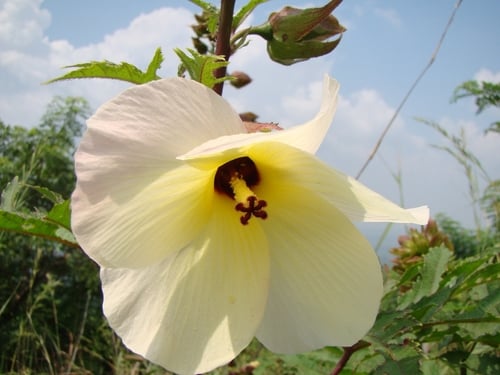
(c) Juliet, some rights reserved (CC BY-NC), uploaded by Juliet
iNaturalist· cc-by-nc
(c) Juliet, some rights reserved (CC BY-NC)
Description
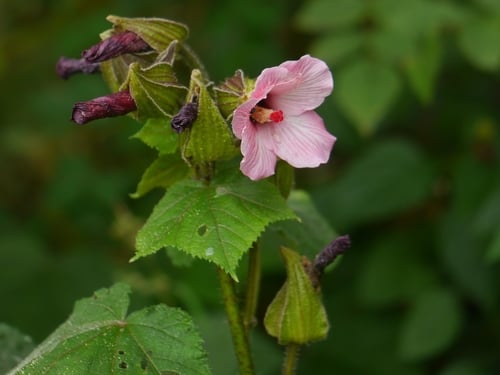
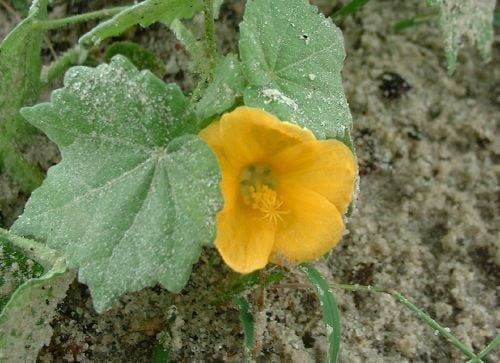
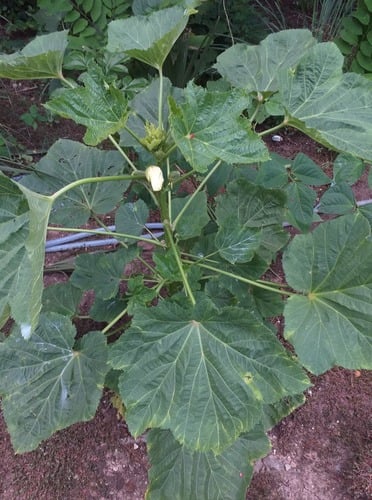
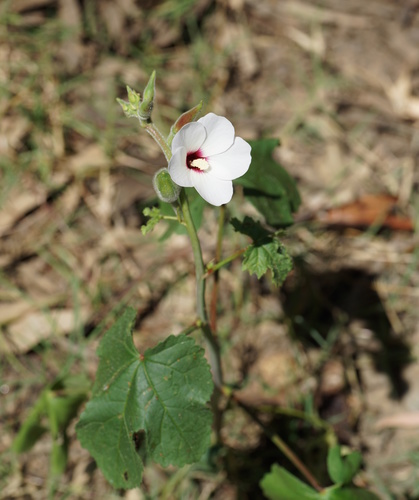
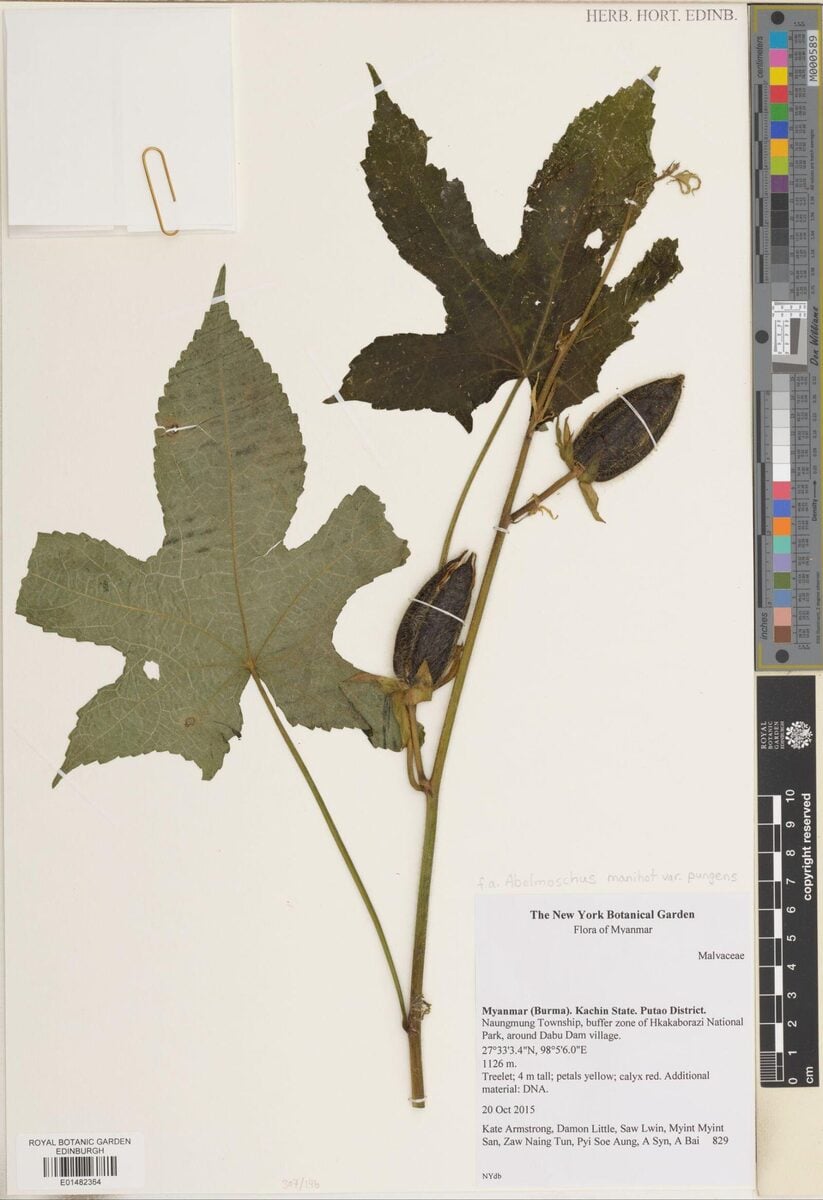
A small shrub. It grows 1-2.5 m high and spreads 1-1.5 m wide. The stems have a few prickles. The leaves are 3.5-12.5 cm long by 1-4 cm wide. They are narrowly oval and only sometimes have 3 lobes. The leaf stalks are 0.5-2 cm long. The leaves are dark green and the midribs are prickly and there are teeth along the edge. The flowers are about 10 cm across. They are white with a pink edge and dark red spot in the centre. The fruit is a capsule 1.5-2 cm long by 1.2-1.3 cm wide. They are oval and have a beak. They are yellowish and have hairs. The seeds are smooth.
Edible Uses
The roots and buds of young plants are eaten raw, and shoots are also consumed.
Traditional Uses
The roots and buds of young plants are eaten raw.
This uses section is brief — help expand it
Distribution
It grows in subtropical to warm temperate climates. It needs well drained soils. It can tolerate light frosts.
Where It Grows
Australia*,
Cultivation
Plants can be grown from seed or cuttings.
Production
Young plants are fast growing.
Notes
There are about 220 Hibiscus species.
Synonyms
References (7)
- Bodkin, F., 1991, Encyclopedia Botanica. Cornstalk publishing, p 557
- Cooper, W. and Cooper, W., 2004, Fruits of the Australian Tropical Rainforest. Nokomis Editions, Victoria, Australia. p 277
- Elliot, W.R., & Jones, D.L., 1990, Encyclopedia of Australian Plants suitable for cultivation. Vol 5. Lothian. p 356
- IRVINE,
- Lim, T. K., 2015, Edible Medicinal and Non Medicinal Plants. Volume 9, Modified Stems, Roots, Bulbs. Springer p 46
Show all 7 references Hide references
- Lord, E.E., & Willis, J.H., 1999, Shrubs and Trees for Australian gardens. Lothian. p 174
- Melzer, R. & Plumb, J., 2011, Plants of Capricornia. Belgamba, Rockhampton. p 168