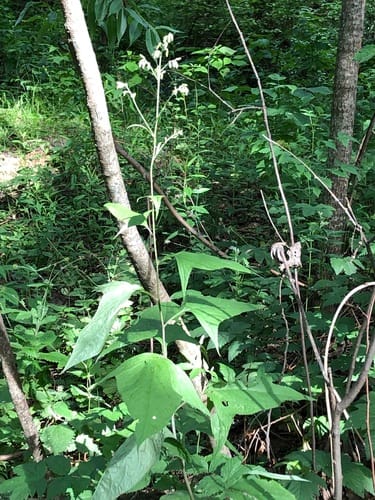
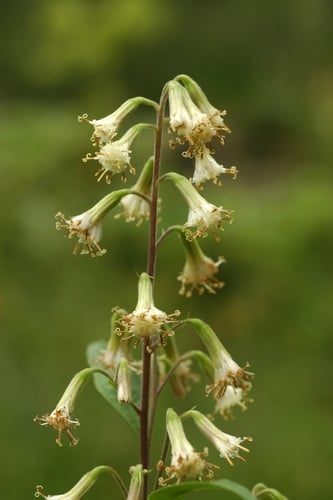
Helianthus petiolaris
Nutt.
Prairie sunflower
iNaturalist· cc-by
(c) Matt Berger, some rights reserved (CC BY), uploaded by Matt Berger
iNaturalist· cc-by-nc
(c) Jeff Skrentny, some rights reserved (CC BY-NC), uploaded by Jeff Skrentny
iNaturalist· cc-by-nc
(c) Abby, some rights reserved (CC BY-NC), uploaded by Abby
Summary
Source: WikipediaHelianthus petiolaris is a North American plant species in the family Asteraceae, commonly known as the prairie sunflower or lesser sunflower. Naturalist and botanist Thomas Nuttall was the first to describe the prairie sunflower in 1821. The word petiolaris in Latin means “having a petiole”. The species originated in Western United States, but has since expanded east. The prairie sunflower is sometimes considered a weed.
Description
An annual plant. It has a taproot. It grows 1.8 m tall. The leaves are more narrow than ordinary sunflower. The leaves are less than 10 cm wide.
This description is brief — help expand it
Edible Uses
The seeds are edible raw or cooked and have an oily texture. They can be ground into a powder and kneaded into a seed butter.
Medicinal Uses
The powdered leaves, used either on their own or incorporated into an ointment, have been applied as a dressing for sores and swellings.
Distribution
It is a temperate plant. In Canada it grows on dry prairie and uncultivated land.
Where It Grows
Argentina, Canada, North America*, South America, USA,
Cultivation
Succeeds in most soils in a sunny position. Requires a rich soil. Dislikes shade. Grows well on dry soils. The young growth is extremely attractive to slugs, plants can be totally destroyed by them. This species hybridizes in the wild with H. annuus. Members of this genus are rarely if ever troubled by browsing deer or rabbits.
Propagation
Sow seed in mid spring directly in situ. For an earlier start, sow 2–3 seeds per pot in a greenhouse in early spring using a fairly rich compost. Thin to the strongest seedling, give occasional liquid feeds to prevent nutrient deficiency, and plant out in late spring or early summer.
Other Uses
None known.
Notes
Almost all Helianthus (60 species) in N and S America are edible.
References (6)
- Beckstrom-Sternberg, Stephen M., and James A. Duke. "The Foodplant Database." http://probe.nalusda.gov:8300/cgi-bin/browse/foodplantdb.(ACEDB version 4.0 - data version July 1994)
- https://www.fireflyforest.com/flowers/category/edible-plants/ Edible Plants – Southeastern Arizona Wildflowers and Plants
- J. Acad. Nat. Sci. Philadelphia 2:115. 1821
- MacKinnon, A., et al, 2009, Edible & Medicinal Plants of Canada. Lone Pine. p 352
- Moerman, D. F., 2010, Native American Ethnobotany. Timber Press. p 258
Show all 6 references Hide references
- Plants for a Future database, The Field, Penpol, Lostwithiel, Cornwall, PL22 0NG, UK. http://www.scs.leeds.ac.uk/pfaf/