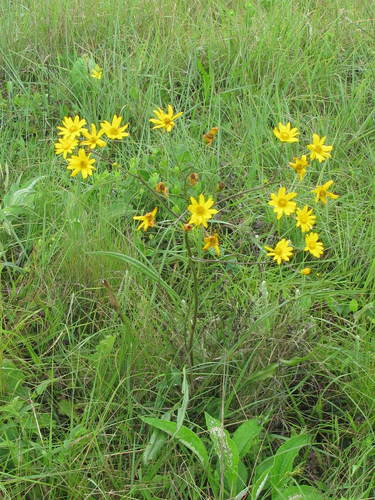
Artemisia japonica
Thunb.
Japanese wormwood
iNaturalist· cc-by-nc
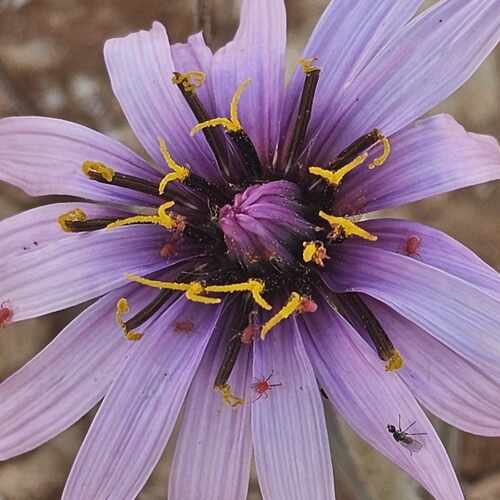
(c) Svetlana Nesterova, some rights reserved (CC BY-NC), uploaded by Svetlana Nesterova
iNaturalist· cc-by-nc
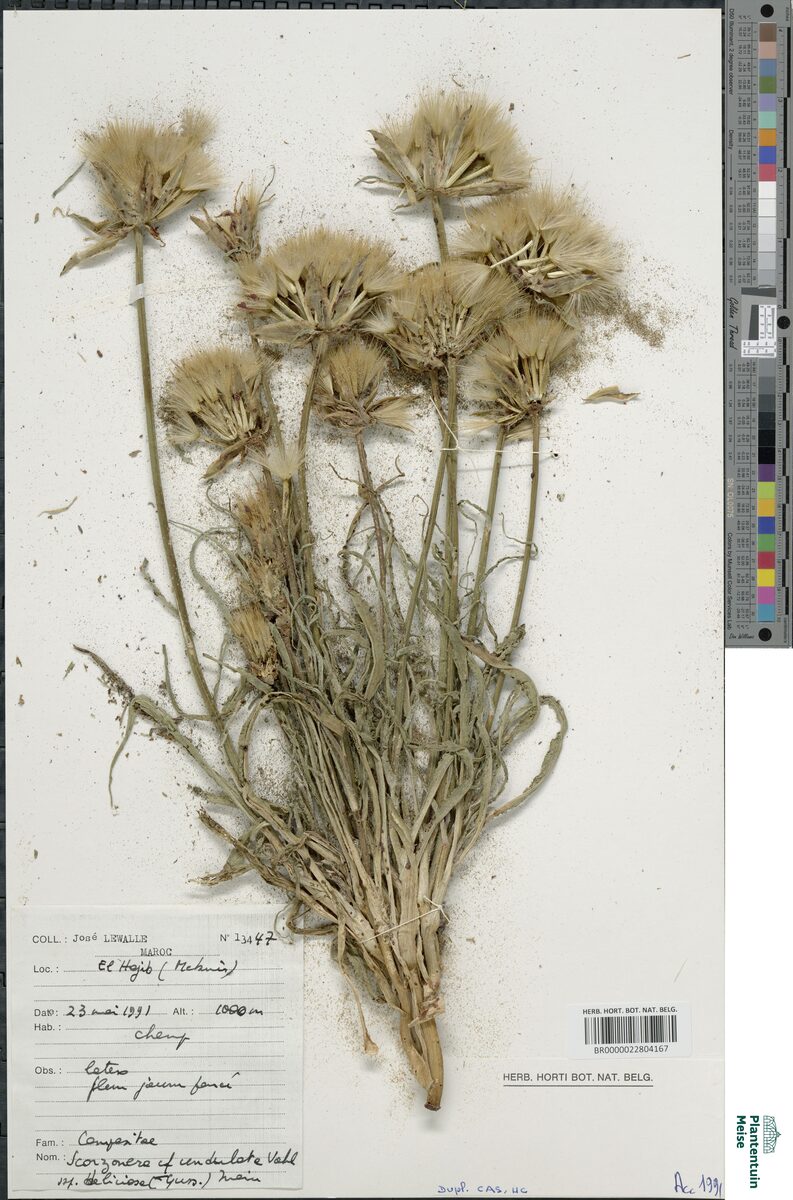
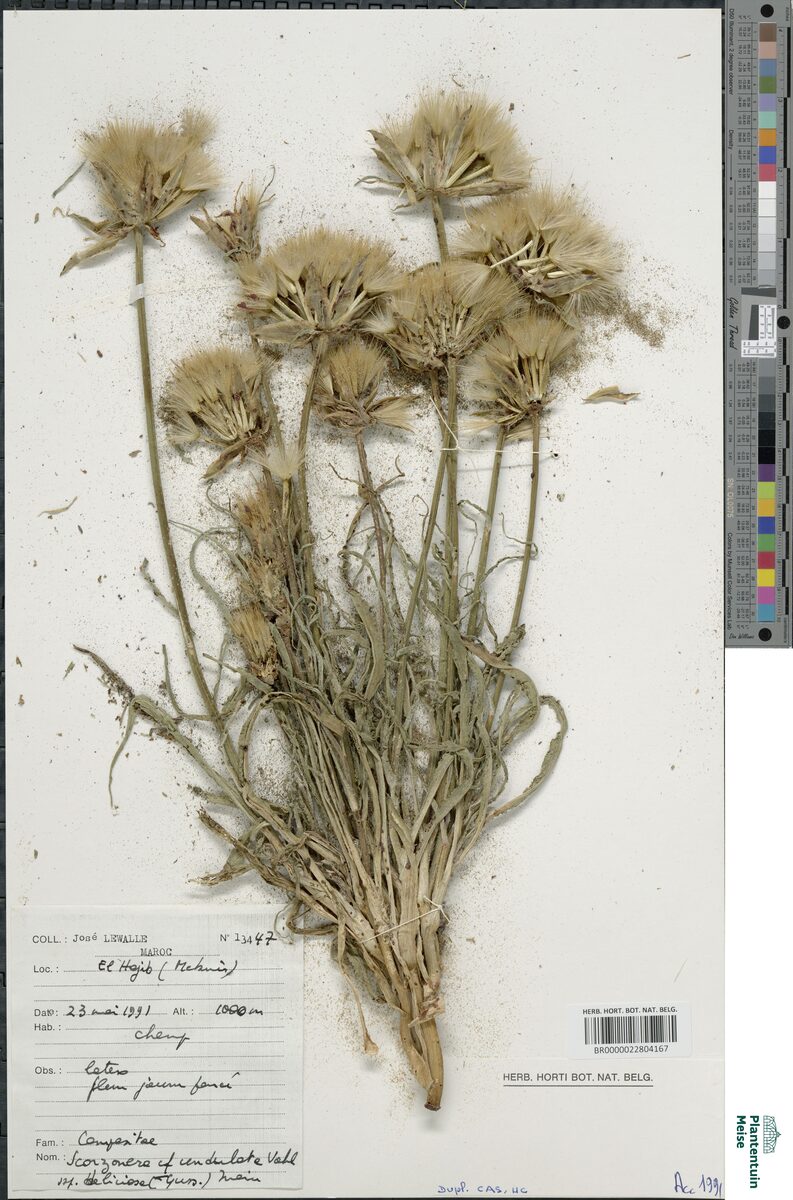
(c) 歐陽秀華, some rights reserved (CC BY-NC), uploaded by 歐陽秀華
iNaturalist· cc-by-nc
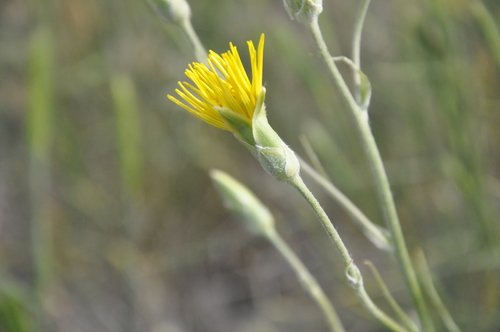
(c) Svetlana Nesterova, some rights reserved (CC BY-NC), uploaded by Svetlana Nesterova
Summary
Source: WikipediaArtemisia japonica, commonly known as the Japanese wormwood or the Oriental wormwood, is a species of wormwood in the family Asteraceae that is native to Japan, Korea, China, Southeast Asia, and the Indian Subcontinent.
Description
A herb. It grows 50-90 cm high. It keeps growing from year to year. It has a woody rootstock 2-3 cm thick. The leaves are clustered at the top. The leaves are spoon shaped and 4-8 cm long by 1-3 cm wide. There are lobes along the stalk and teeth along the edge.
Edible Uses
Edible Parts: Leaves Edible Uses: Young leaves - cooked. Used as a vegetable.
Traditional Uses
Young leaves are roasted and eaten with soy sauce. They are boiled, fried or stir-fried and used as a potherb or added to soups. They are also used for colouring and flavouring.
Medicinal Uses
Depurative Digestive Febrifuge Skin Women's complaints The leaves are digestive. A decoction of the leaves is said to promote a plump figure, but too much is said to be deleterious and can cause hypertension. The expressed juice of the plant is used in the treatment of vaginitis. It is also used to treat skin diseases. Theplant is used for making antitoxifying and antifebrile drugs.
Known Hazards
Although no reports of toxicity have been seen for this species, skin contact with some members of this genus can cause dermatitis or other allergic reactions in some people.
Distribution
It is a tropical and subtropical plant. In Pakistan it grows in mixed gravely sands between 500-1,200 m above sea level. In China it grows from low elevations to 3,300 m above sea level. In Sichuan and Yunnan.
Where It Grows
Afghanistan, Asia, Bhutan, China, Himalayas, India, Indochina, Japan, Korea, Laos, Myanmar, Nepal, Northeastern India, Pakistan, Philippines, Russia, SE Asia, Sikkim, Taiwan, Thailand, Vietnam,
Cultivation
Easily grown in a well-drained circumneutral or slightly alkaline loamy soil, preferring a warm sunny dry position. Established plants are drought tolerant. This species is not very hardy in the colder areas of Britain, it tolerates temperatures down to between -5 and -10°c. Plants are longer lived, more hardy and more aromatic when they are grown in a poor dry soil. Members of this genus are rarely if ever troubled by browsing deer.
Propagation
Seed - surface sow from late winter to early summer in a greenhouse, making sure that the compost does not dry out. When large enough to handle, prick the seedlings out into individual pots and grow them on in the greenhouse for their first winter. Plant out in late spring or early summer. Division in spring or autumn. Basal cuttings in late spring. Harvest the young shoots when about10 - 15cm long, pot up in a lightly shaded position in a greenhouse or cold frame and plant them out when well rooted. Very easy.
Other Uses
Incense The powder of the dried plant is used as an incense. Special Uses
Notes
There are about 300 Artemisia species. It is used as a medicine in Nepal.
Synonyms
Also Known As
Burnak, Cuu rung, Jebissuk, Ngai, Otoko-yomogi, Pha-let-wa
References (12)
- Altschul, S.V.R., 1973, Drugs and Foods from Little-known Plants. Notes in Harvard University Herbaria. Harvard Univ. Press. Massachusetts. no. 5006
- Facciola, S., 1998, Cornucopia 2: a Source Book of Edible Plants. Kampong Publications, p 33
- Fl. jap. 310. 1784
- Flora of Pakistan.
- Hwang, H., et al, 2013, A Study on the Flora of 15 Islands in the Western Sea of Jeollanamdo Province, Korea. Journal of Asia-Pacific Biodiversity Vol. 6, No. 2 281-310
Show all 12 references Hide references
- Hwang, HS, et al, 2014, Distribution characteristics of plant in the Ungseokbong Mountain, Gyeongsangnam-do, Korea. Journal of Asia-Pacific Biodiversity. 7(2014) e164-e178
- Kim, H. & Song, M., 2013, Ethnobotanical analysis for traditional knowledge of wild edible plants in North Jeolla Province (Korea). Genetic. Resour. Crop Evol. (2013) 60:1571-1585
- Manandhar, N.P., 2002, Plants and People of Nepal. Timber Press. Portland, Oregon. p 97
- Plants for a Future database, The Field, Penpol, Lostwithiel, Cornwall, PL22 0NG, UK. http://www.scs.leeds.ac.uk/pfaf/
- Savita, et al, 2006, Studies on wild edible plants of ethnic people in east Sikkim. Asian J. of Bio Sci. (2006) Vol. 1 No. 2 : 117-125 (As Artemisia parviflora)
- Trendafilova, A., et al, 2020, Research Advances on Health Effects of Edible Artemisia Species and Some Sesquiterpene Lactones Constituents. Foods 2021, 10, 65. p 4
- Van Sam, H. et al, 2008, Uses and Conservation of Plant Species in a National Park. A case study of Ben En, Vietnam. Economic Botany 62:574-593