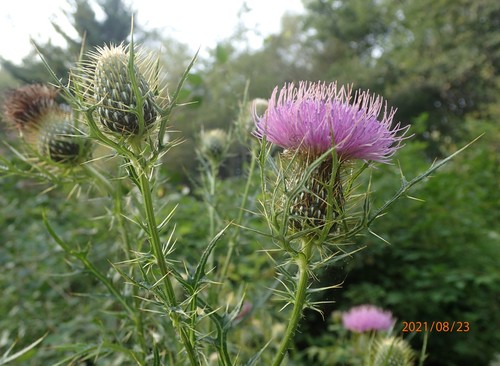
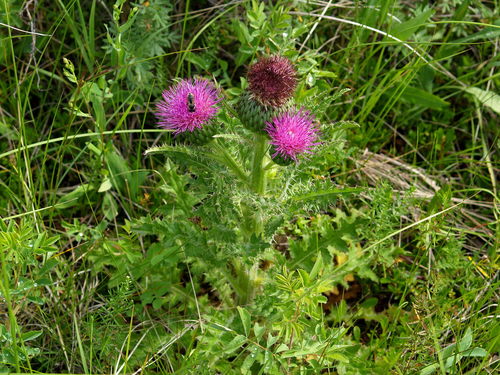
Artemisia indica
Willd.
Indian mugwort
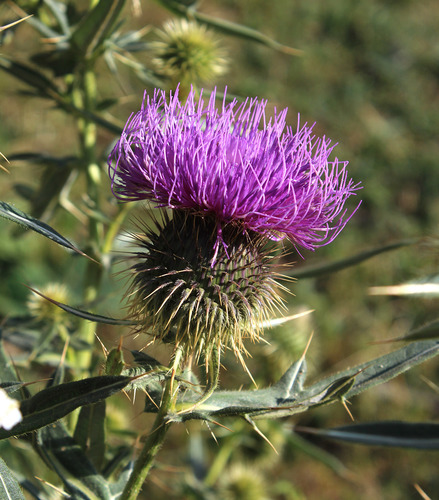
iNaturalist· cc0
no rights reserved, uploaded by 葉子
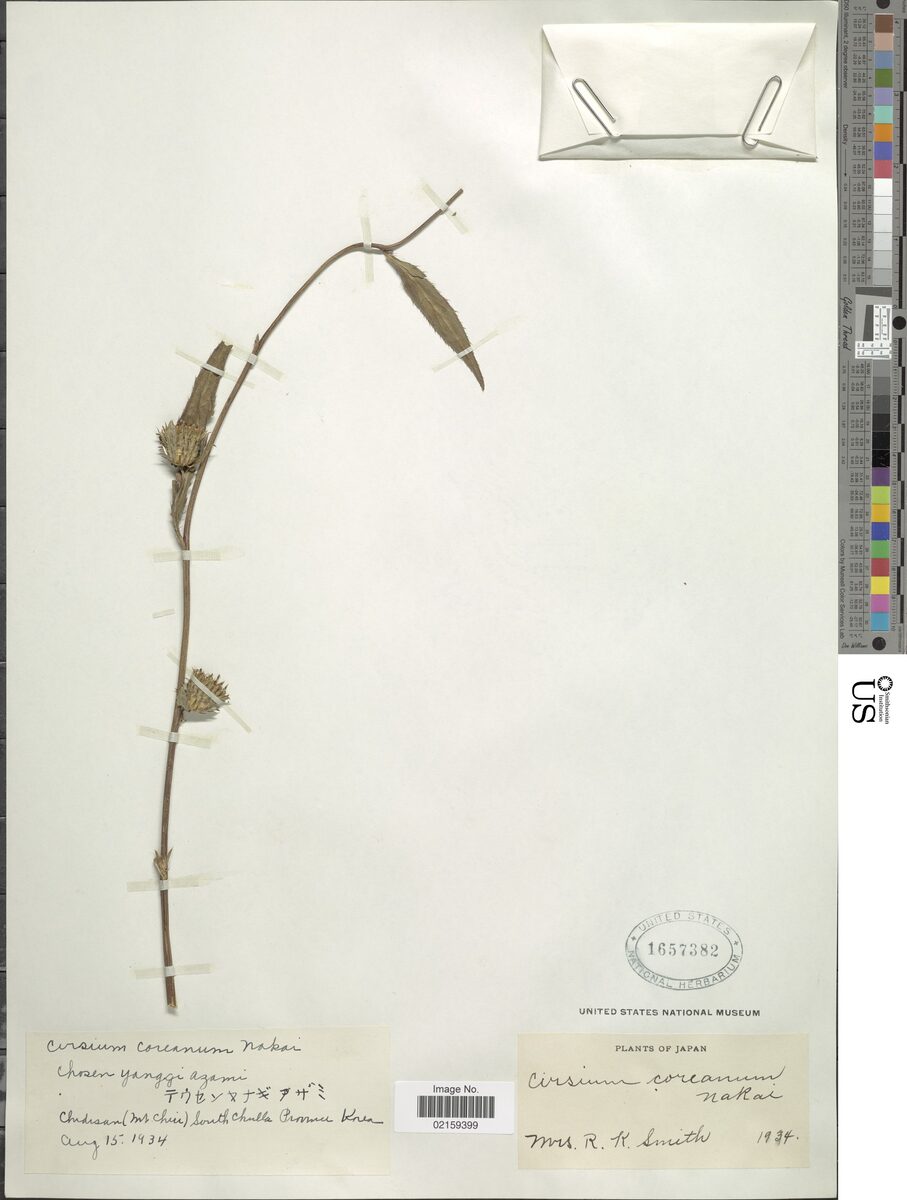
iNaturalist· cc-by-nc
(c) JODY HSIEH, some rights reserved (CC BY-NC), uploaded by JODY HSIEH
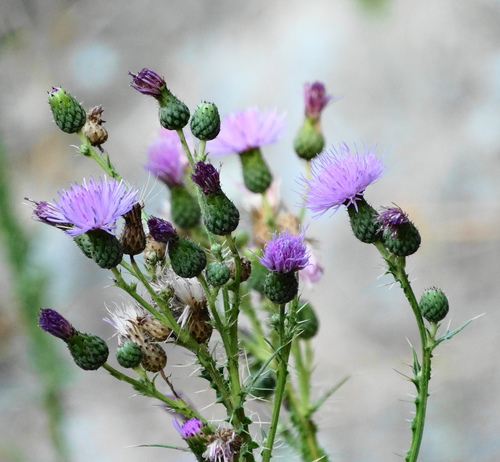
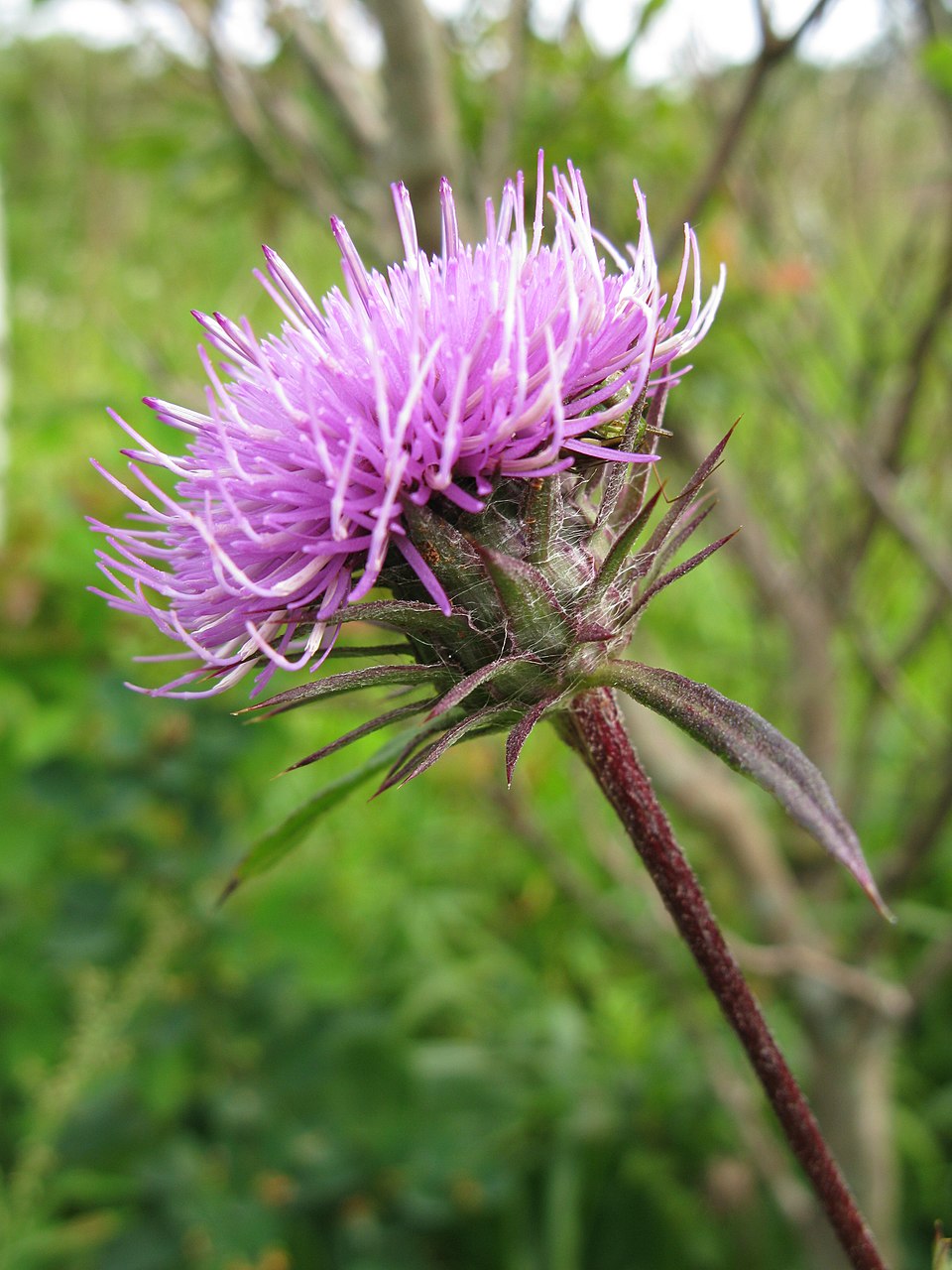
iNaturalist· cc0
no rights reserved, uploaded by 葉子
Summary
Source: WikipediaArtemisia indica, the Indian wormwood, is a widespread species of flowering plant in the family Asteraceae. It is native to the Indian Subcontinent (except Bangladesh), mainland Southeast Asia, China (except Xinjiang and Qinghai), Taiwan, the Philippines, Korea, the Ryukyu Islands, and Japan, and it has been introduced to Peninsular Malaysia. In the wild it is typically found alongside roads, on slopes, in forest edges, and in scrublands at elevations below 2,000 m (6,600 ft).
Description
A herb. It keeps growing from year to year. It grows 80-150 cm tall. The leaves are grey underneath. The lowest leaves are oval and 6-12 cm long by 3-8 cm wide. They are divided into 3 or 4 pairs of segments. The leaves higher up are smaller and have teeth along the edge.
Edible Uses
Edible Parts: Leaves Edible Uses: Colouring Condiment Young leaves - cooked and eaten with barley. The leaves are also pounded with steamed glutinous rice to give a flavour and colouring.
Traditional Uses
The young leaves are used as a flavouring. They are fried in oil and eaten as a vegetable.
This uses section is brief — help expand it
Medicinal Uses
Anthelmintic Antiseptic Antispasmodic Dysentery Emmenagogue Expectorant Ophthalmic Stomachic Tonic The leaves and flowering stems are anthelmintic, antiseptic, antispasmodic, emmenagogue, expectorant and stomachic. An infusion is used in the treatment of nervous and spasmodic affections, in asthma and in diseases of the brain. This infusion is also considered to be helpful in improving the appetite. The juice of the plant is used in Nepal to treat diarrhoea, dysentery and abdominal pains. It is used as an eyewash where it is said to relieve the burning sensation in conjunctivitis. A paste of the plant is applied externally to treat wounds. The roots are antiseptic and are a tonic for the kidneys.
Known Hazards
Although no reports of toxicity have been seen for this species, skin contact with some members of this genus can cause dermatitis or other allergic reactions in some people.
Distribution
It is a tropical plant. It grows on the edges of forests and on slopes at low elevations to 2,000 m above sea level. In Sikkim it is recorded between 300-2,400 m above sea level.
Where It Grows
Asia, China, Himalayas, India, Indochina, Indonesia, Japan, Korea, Laos, Malaysia, Myanmar, Nepal, North America, Northeastern India, Pacific, Philippines, SE Asia, Sikkim, Sri Lanka, Taiwan, Thailand, Tibet, Vietnam,
Cultivation
Easily grown in a well-drained circumneutral or slightly alkaline loamy soil, preferring a sunny position. Plants are annuals or short-lived perennials. Plants are longer lived, more hardy and more aromatic when they are grown in a poor dry soil. Members of this genus are rarely if ever troubled by browsing deer.
Propagation
Seed - surface sow spring in a greenhouse. Do not allow the compost to dry out. When large enough to handle, prick the seedlings out into individual pots and plant them out in early summer. The seed can also be sown in situ in late spring.
Other Uses
Essential Incense Insecticide The plant yields about 0.2% essential oil. This is a good larvicide and a feeble insecticide. The dried leaves and flowers are used as an incense. Special Uses Scented Plants
Other Information
It is a commercially cultivated vegetable.
Notes
There are about 300 Artemisia species. It is used as a medicine in Nepal.
Synonyms
Also Known As
Kuljo, Phraphrukhurbijak, Titepati
References (9)
- Aryal, K. P., et al, 2018, Diversity and use of wild and non-cultivated edible plants in the Western Himalaya. Journal of Ethnobiology and Ethnomedicine (2018) 14:10
- Gangwar, A. K. & Ramakrishnan, P. S., 1990, Ethnobotanical Notes on Some Tribes of Arunachal Pradesh, Northeastern India. Economic Botany, Vol. 44, No. 1 pp. 94-105
- Kays, S. J., and Dias, J. C. S., 1995, Common Names of Commercially Cultivated Vegetables of the World in 15 languages. Economic Botany, Vol. 49, No. 2, pp. 115-152 (As var. maximowiczii)
- Manandhar, N.P., 2002, Plants and People of Nepal. Timber Press. Portland, Oregon. p 97
- Niwano, Y. et al., 2009, Extensive Screening for Plant Foodstuffs in Okinawa, Japan with Anti-Obese Activity on Adipocytes, in vitro. Plant Foods in Human Nutrition 64:6-10
Show all 9 references Hide references
- Plants for a Future database, The Field, Penpol, Lostwithiel, Cornwall, PL22 0NG, UK. http://www.scs.leeds.ac.uk/pfaf/
- Seidemann J., 2005, World Spice Plants. Economic Usage, Botany, Taxonomy. Springer. p 54
- Singh, B., et al, 2012, Wild edible plants used by Garo tribes of Nokrek Biosphere Reserve in Meghalaya, India. Indian Journal of Traditional Knowledge. 11(1) pp 166-171
- Trendafilova, A., et al, 2020, Research Advances on Health Effects of Edible Artemisia Species and Some Sesquiterpene Lactones Constituents. Foods 2021, 10, 65. p 4