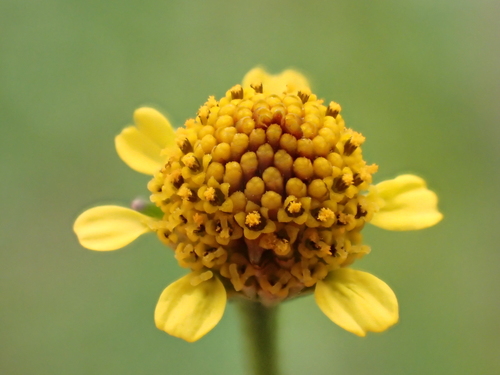
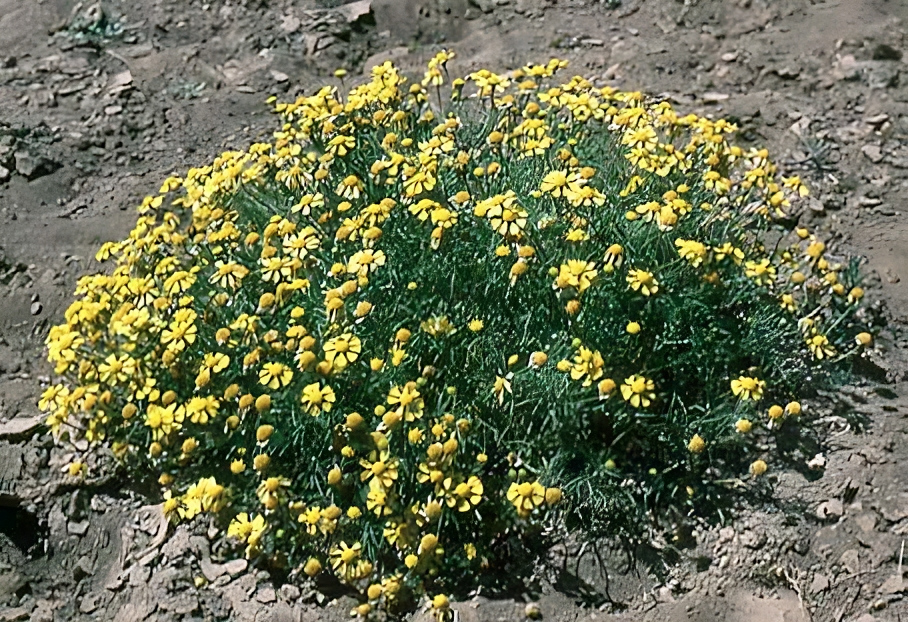
Artemisia keiskeana
Miq.
Cotton thatch
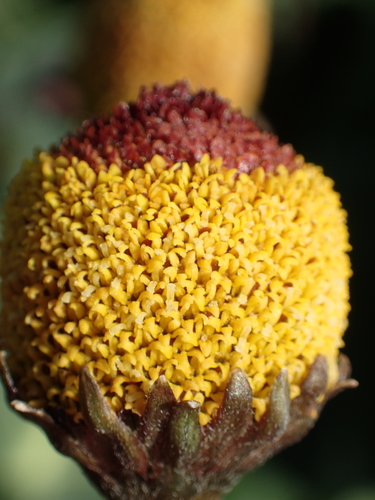
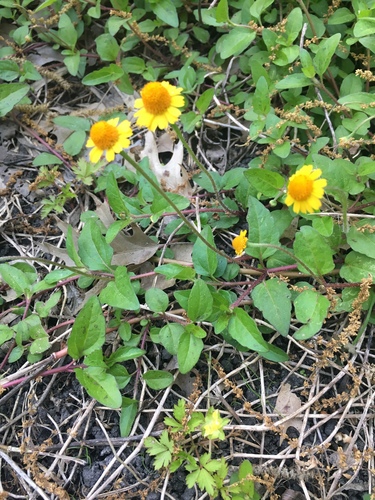
iNaturalist· cc-by-nc
(c) Chuangzao, some rights reserved (CC BY-NC), uploaded by Chuangzao
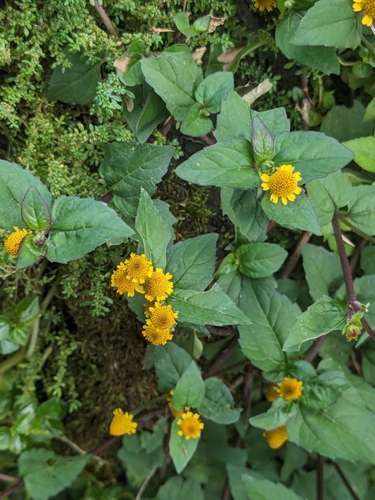
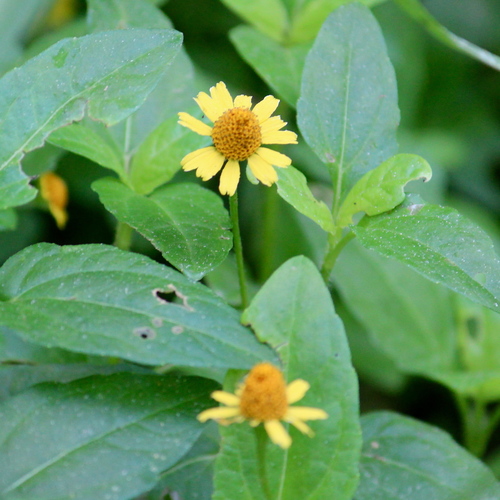
iNaturalist· cc-by-nc
(c) V.S. Volkotrub, some rights reserved (CC BY-NC), uploaded by V.S. Volkotrub
Summary
A perennial herbaceous plant growing to 0.6 m (2 ft) tall. Flowers from August to November with seeds ripening September to November. Hermaphroditic and insect-pollinated. Tolerates light sandy, medium loamy, and heavy clay soils with good drainage. Grows in mildly acidic to basic soil pH. Thrives in semi-shade or full sun and adapts to both dry and moist conditions, showing good drought tolerance.
Description
A herb or small shrub. It grows 30-100 cm tall. It has rhizomes. The lower stem leaves are oval or wedge shaped and 3-8 cm long by 2-5 cm wide. There are teeth along the edge. Higher leaves are smaller.
Edible Uses
Young leaves and shoot tips are eaten cooked. Leaves provide 5.6g protein, 1.2g fat, 9.5g carbohydrate, and 2.6g ash per 100g fresh weight.
Traditional Uses
Used as a flavouring for salads and sauces. The leaves and shoots are cooked and eaten.
This uses section is brief — help expand it
Medicinal Uses
Used traditionally to treat infertility, impotence, amenorrhoea, and post-partum pain.
Known Hazards
Although no reports of toxicity have been seen for this species, skin contact with some members of this genus can cause dermatitis or other allergic reactions in some people.
Distribution
It is a temperate plant. In north China it grows on dry slopes and the edges of forests between 100-900 m above sea level.
Where It Grows
Asia, China, Japan, Korea, Russia, Siberia,
Cultivation
We have very little information on this species and do not know if it will be hardy in Britain, though judging by its native range it should succeed outdoors in many parts of this country. This species is closely related to A. dracunculus. The following notes are based on the general needs of the genus. Easily grown in a well-drained circumneutral or slightly alkaline loamy soil, preferring a warm sunny dry position. Established plants are drought tolerant. Plants are longer lived, more hardy and more aromatic when they are grown in a poor dry soil. Members of this genus are rarely if ever troubled by browsing deer.
Propagation
Sow seeds on surface from late winter to early summer in greenhouse, keeping compost moist. Prick out seedlings into individual pots when large enough and grow on under glass through first winter, planting out in late spring or early summer. Alternatively, divide in spring or autumn, or take basal cuttings in late spring. Harvest young shoots 10-15 cm long, pot in lightly shaded greenhouse or cold frame, and plant out when rooted. Very easy to propagate.
Other Uses
Plant stalks are used for thatching.
Notes
There are about 300 Artemisia species. Chemical composition: Protein = 5.56%. Fat = 1.16%. Carbohydrate = 9.46%. Ash = 2.55%.
References (6)
- Famine foods
- Hwang, H., et al, 2013, A Study on the Flora of 15 Islands in the Western Sea of Jeollanamdo Province, Korea. Journal of Asia-Pacific Biodiversity Vol. 6, No. 2 281-310
- Hwang, HS, et al, 2014, Distribution characteristics of plant in the Ungseokbong Mountain, Gyeongsangnam-do, Korea. Journal of Asia-Pacific Biodiversity. 7(2014) e164-e178
- Plants for a Future database, The Field, Penpol, Lostwithiel, Cornwall, PL22 0NG, UK. http://www.scs.leeds.ac.uk/pfaf/
- READ
Show all 6 references Hide references
- Trendafilova, A., et al, 2020, Research Advances on Health Effects of Edible Artemisia Species and Some Sesquiterpene Lactones Constituents. Foods 2021, 10, 65. p 4