Artemisia judaica
L.
Semen contra, Graines de vers
iNaturalist· cc-by-nc
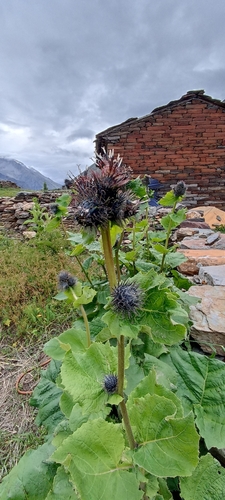
(c) Stan Nikonov, some rights reserved (CC BY-NC), uploaded by Stan Nikonov
Description
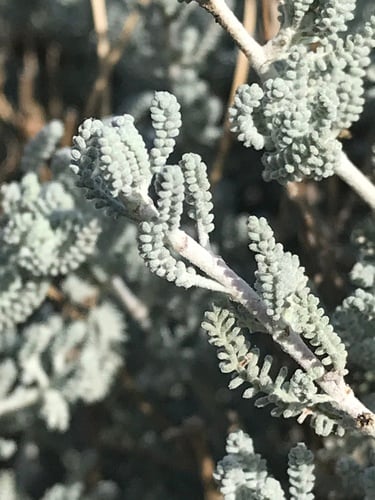
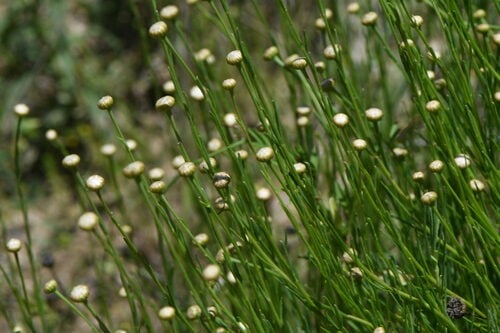
A grey woolly small shrub. The leaves are short and have lobes. The flowers are yellow.
This description is brief — help expand it
Edible Uses
The leaves are used as a flavouring in liqueurs, relishes, and chutneys.
Traditional Uses
It is used as a flavouring including for liqueurs. They are also used to flavour relishes and chutneys.
This uses section is brief — help expand it
Distribution
It is a Mediterranean climate plant. It can grow in arid places.
Where It Grows
Africa, Algeria, Arabia, Asia, Egypt, Israel, Jordan, Mediterranean, Middle East, North Africa, Saudi Arabia, Sudan,
Other Information
It is cultivated.
Also Known As
B'ethiran
References (9)
- Albalawneh, A., et al, 2022, Traditional Knowledge of Wild Plant Species Used by Local People Inhabiting the Southern Part of Wadi Araba Desert in South-West Jordan. Research Square.
- Bircher, A. G. & Bircher, W. H., 2000, Encyclopedia of Fruit Trees and Edible Flowering Plants in Egypt and the Subtropics. AUC Press. p 42
- Brown, D., 2002, The Royal Horticultural Society encyclopedia of Herbs and their uses. DK Books. p 131
- Facciola, S., 1998, Cornucopia 2: a Source Book of Edible Plants. Kampong Publications, p 33
- Mandaville, J. P., 2004, Bedouin ethnobotany: Plant concepts and plant use in a desert pastoral world. PhD thesis University of Arizona. p 170
Show all 9 references Hide references
- Royal Botanic Gardens, Kew (1999). Survey of Economic Plants for Arid and Semi-Arid Lands (SEPASAL) database. Published on the Internet; http://www.rbgkew.org.uk/ceb/sepasal/internet [Accessed 10th April 2011]
- Seidemann J., 2005, World Spice Plants. Economic Usage, Botany, Taxonomy. Springer. p 54
- World Checklist of Useful Plant Species 2020. Royal Botanic Gardens, Kew
- Zeven, A. C. & de West, J. M. J., 1982, Dictionary of cultivated plants and their regions of diversity. Wageningen. p 105