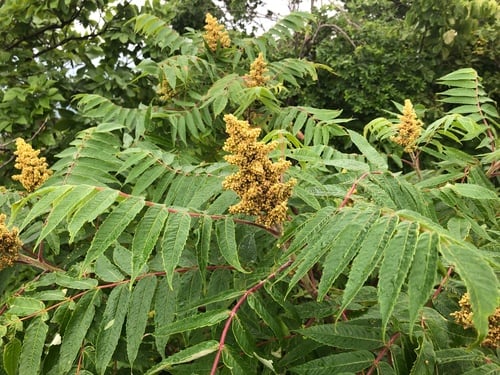
Haematostaphis barteri
Hook. f.
Blood plum
iNaturalist· cc-by-nc
(c) ONG OeBenin, some rights reserved (CC BY-NC)
Description
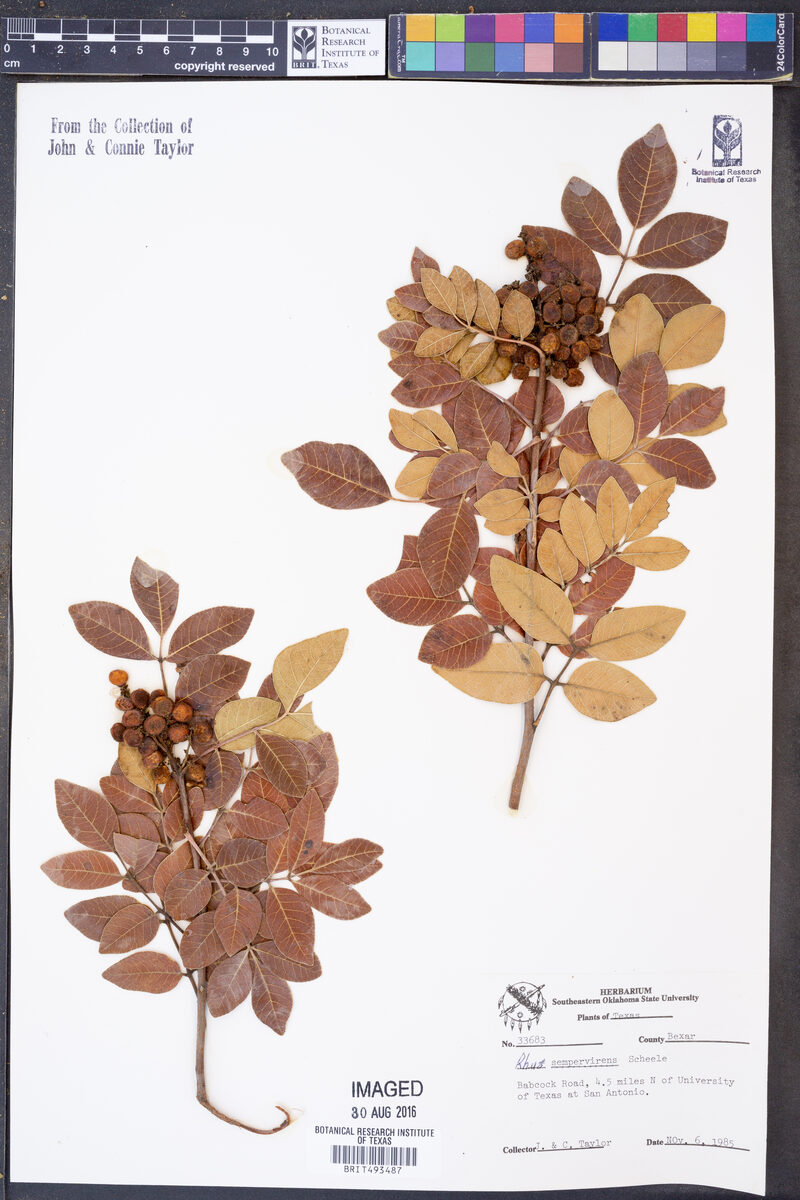
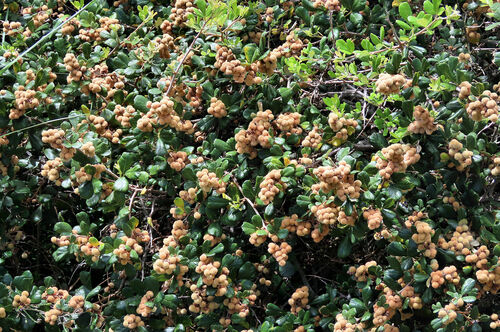
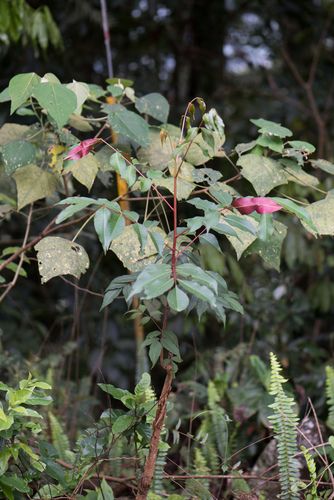
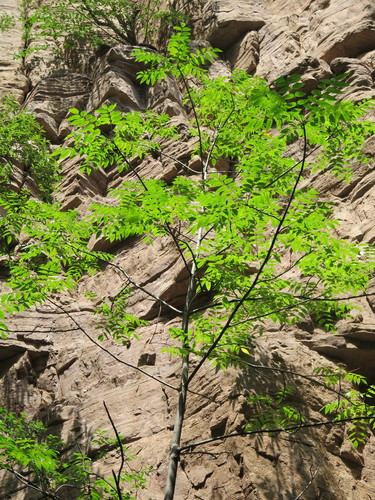
A tree. It grows 8 m high. It can be 65 cm around the trunk. The fruit is red-purple and fleshy with a stone inside. It is 2.5 cm long. The pulp is thin but edible. The kernels are oily and edible.
Edible Uses
The fruit is eaten raw, and the oily kernels from the stone are edible. The leaves are also eaten.
Traditional Uses
The fruit are eaten raw.
This uses section is brief — help expand it
Distribution
A tropical plant. It grows in tropical Africa in dry savannah. It can grow in arid places. It grows in northern Nigeria.
Where It Grows
Africa, Burkina Faso, Cameroon, Central Africa, Congo, Ghana, Nigeria, Sudan, Togo, West Africa,
Other Information
Fruit tend to be available in the drier more hungry season.
Also Known As
Dole, Genbereni, Jan danyam, Shoure, Subtuluga, Tursuhi, Tursujee
References (14)
- Abbiw, D.K., 1990, Useful Plants of Ghana. West African uses of wild and cultivated plants. Intermediate Technology Publications and the Royal Botanic Gardens, Kew. p 47
- Atato, A., et al, 2010, Diversity of Edible Wild Fruit Tree Species of Togo. Global Science Books.
- Atato, A., et al, 2011, Edible Wild Fruit Highly Consumed during Food Shortage Period in Togo: State of Knowledge and Conservation Status. Journal of Life Sciences 5 (2011) 1046-1057
- Burkill, H. M., 1985, The useful plants of west tropical Africa, Vol. 5. Kew.
- Chapman, J. D. & Chapman, H. M., 2001, The Forest Flora of Taraba and Andamawa States, Nigeria. WWF & University of Canterbury. p 164
Show all 14 references Hide references
- Gilbert, T., et al, 2017, Diversity and local transformation of indigenous edible fruits in sahelian domain of Cameroon. Journal of Animal & Plant Sciences Vol. 26 (2): 5289-5300
- Hedrick, U.P., 1919, (Ed.), Sturtevant's edible plants of the world. p 336
- Jardin, C., 1970, List of Foods Used In Africa, FAO Nutrition Information Document Series No 2.p 43, 80, 141
- Keay, R.W.J., 1989, Trees of Nigeria. Clarendon Press, Oxford. p 374
- Moksia, F., et al, 2019, Diversity and Socio-Economic Value of Wild Edible Plants in the Mounts Mandara Region, Cameroon. International Journal of Sciences. Vol. 8:10
- Peters, C. R., O'Brien, E. M., and Drummond, R.B., 1992, Edible Wild plants of Sub-saharan Africa. Kew. p 48
- Umaru, H. A. et al, 2007, Levels of antinutritional factors in some wild edible fruit of Northern Nigeria. Africam Journal of Biotechnology Vol.6 (16) pp. 1935-1938
- Vivien, J., & Faure, J.J., 1996, Fruitiers Sauvages d'Afrique. Especes du Cameroun. CTA p 23
- v