Rhus sinuata
Thunb.
iNaturalist· cc-by-nc
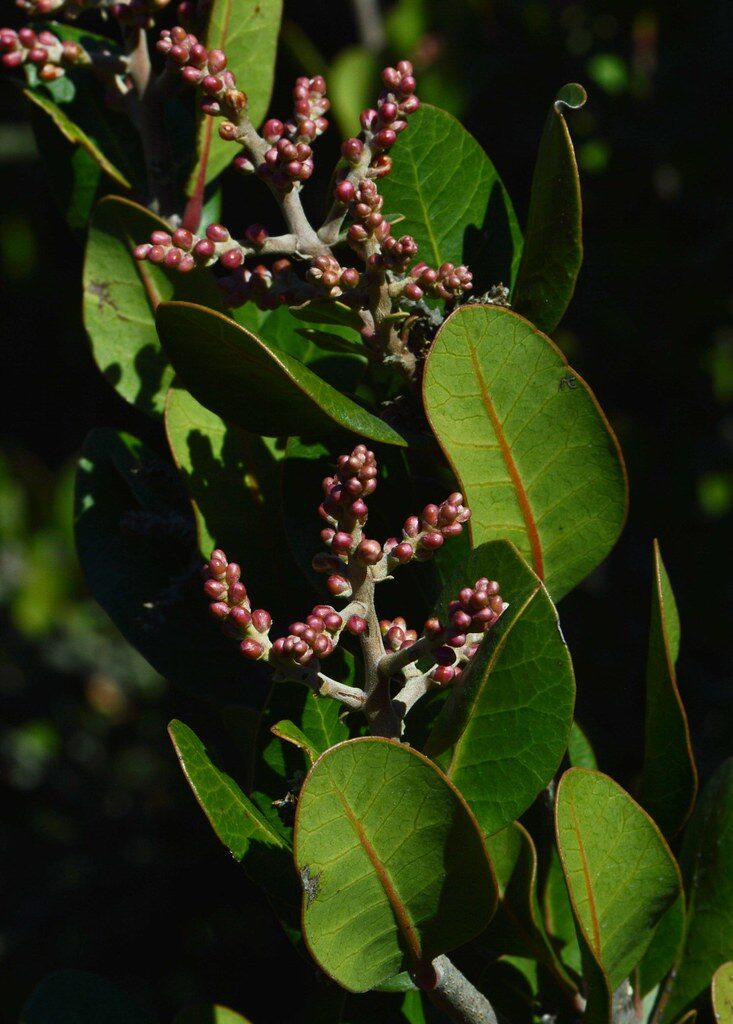
(c) Roland Morisse, some rights reserved (CC BY-NC)
iNaturalist· cc-by-nc
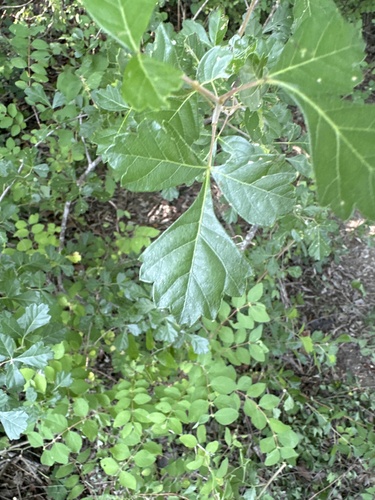
(c) Roland Morisse, some rights reserved (CC BY-NC)
iNaturalist· cc-by-nc
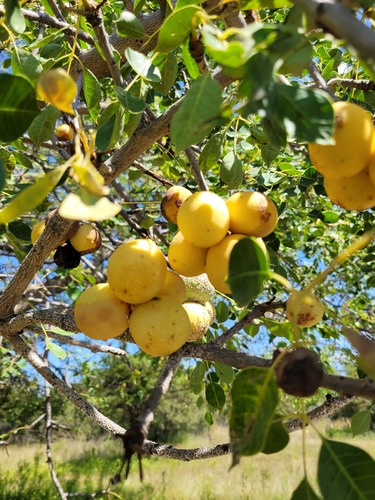
(c) Luc Strydom, some rights reserved (CC BY-NC)
Description
A shrub or small tree. It has thorns. The young branches are hairy. The leaves are compound with leaflets along the stalk and one at the end. The end leaflet is 4 cm long by 2.5 cm wide. The side leaflets are 4 cm long by 1.5 cm wide. The flowers are in groups 5-6 cm long in the axils of leaves or at the ends of branches.
Edible Uses
The fruit are eaten cooked or roasted, and the leaves are also eaten.
Traditional Uses
The fruit are eaten cooked or roasted. The leaves are eaten.
This uses section is brief — help expand it
Distribution
It is a tropical and subtropical plant. It grows in dry deciduous forests.
Where It Grows
Asia, India, Pakistan,
Production
In south India plants flower and fruit September to December.
Notes
There are about 200 Rhus species.
Synonyms
Also Known As
Amboni, Chippamaram, Dahsara, Dansaru, Dasani, Dasarni, Davan, Sabale, Sappalu, Sitha
References (2)
- Ambasta S.P. (Ed.), 2000, The Useful Plants of India. CSIR India. p 524
- Singh, H.B., Arora R.K.,1978, Wild edible Plants of India. Indian Council of Agricultural Research, New Delhi. p 69