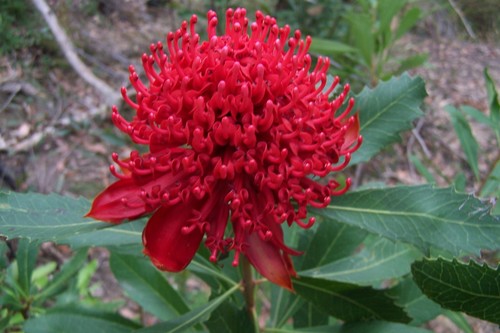
Grevillea striata
R. Br.
Beefwood, Western Beefwood, Silver honeysuckle, Palku, Willer, Arroo-in, Arrongg, Ildeilba, Jildilba, Ildinja, Yinjija, Turrie, Galigali, Bukumara, Dilyarr
iNaturalist· cc-by
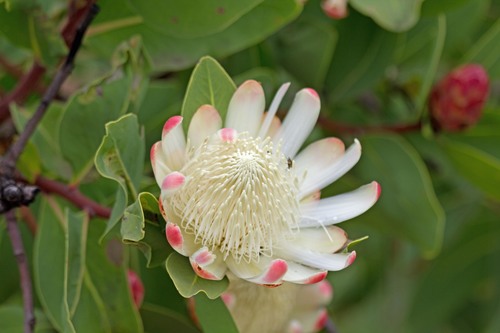
(c) Kym Nicolson, some rights reserved (CC BY), uploaded by Kym Nicolson
iNaturalist· cc-by-nc
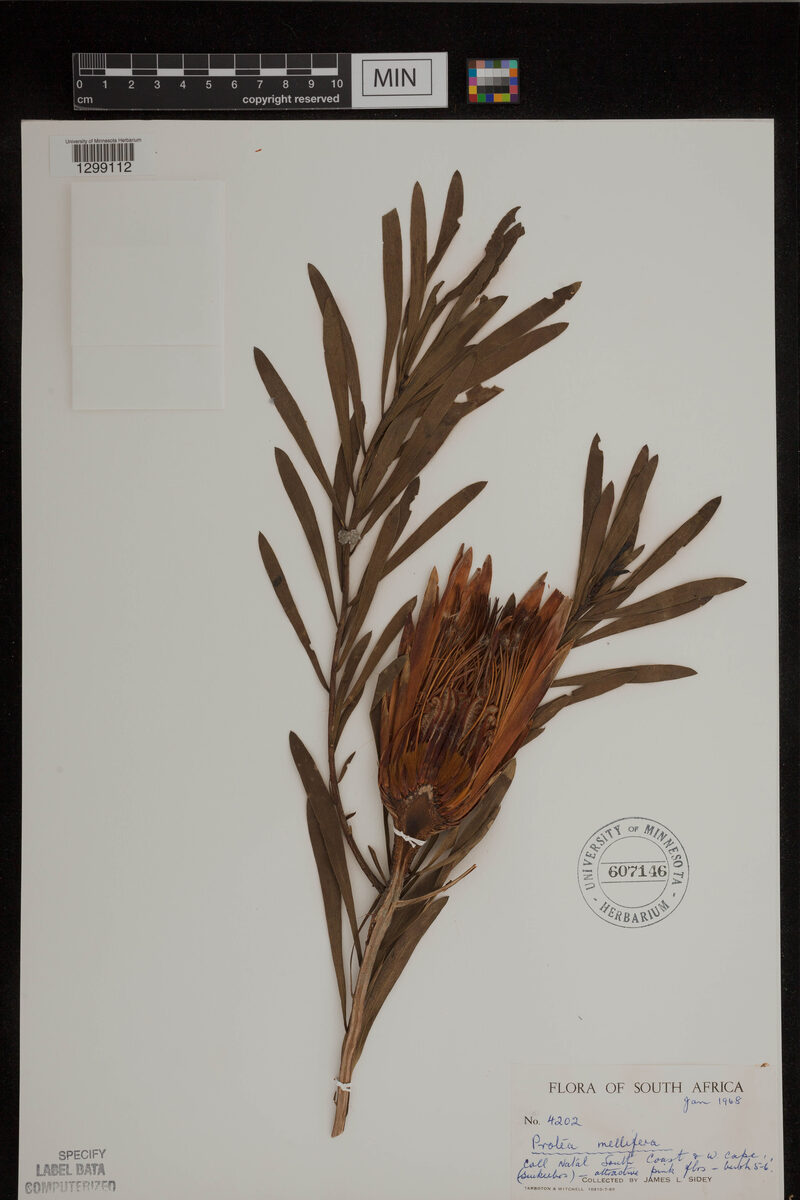
(c) Deborah Metters, some rights reserved (CC BY-NC), uploaded by Deborah Metters
iNaturalist· cc-by-nc
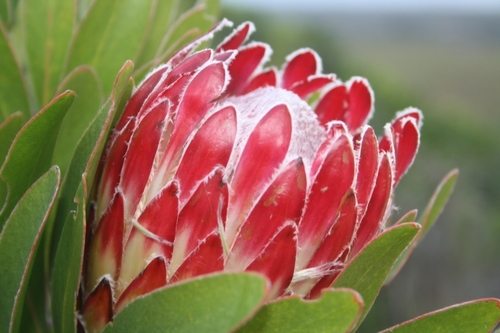
(c) Spookpadda, some rights reserved (CC BY-NC), uploaded by Spookpadda
Summary
Source: WikipediaGrevillea striata, commonly known as beefwood or silver honeysuckle, is a species of flowering plant in the family Proteaceae and is endemic to continental Australia. It is a shrub or tree with linear leaves and white to cream-colured or pale yellow flowers. Other common names for this species include western beefwood, beef oak and beef silky oak.
Description
A medium sized tree. It grows 5-9 m tall. The leaves are crowded around the stem. They are leathery and like straps. They can be 10-35 cm long by 0.7 cm wide. They are dull green above and silvery underneath. The edges of the leaves curl slightly downwards. The flowers are small and cream. They are about 0.6 cm long. They occur in cylindrical groups at the end of branches. The fruit are oblong and woody. They are 1.5-2 cm long. They contain 2 seeds.
Edible Uses
The seeds are eaten, and nectar can be sucked directly from the flowers.
Traditional Uses
The seeds are eaten. The nectar can be sucked from the flowers.
This uses section is brief — help expand it
Distribution
A tropical plant. They grow naturally in open plains in dry regions. They are often on alluvial soil. It can grow in arid places. It suits hardiness zones 9-12.
Where It Grows
Australia*,
Cultivation
Plants can be grown from seed. Soaking the seed overnight improves germination. Or the seed coat can be peeled off.
Propagation
Seed - they have no dormancy but germination is delayed and uneven. Soaking the seed in cold water for 24 hours prior to sowing may improve germination. Seeds can be sown in well-drained, shady seedbeds or individual containers, using with equal proportions of sandy loam and sand. Germination is usually good, occurring after 2 - 4 weeks. When the seedlings are 7 days old, they are pricked out in polytubes. Shade is required for the first 2 - 3 weeks after transplanting. In about 6 - 8 months, when the plants are 20 - 30cm tall, they can be planted out into their permanent positions. Cuttings of half-ripe wood, 5 - 8cm with a heel.
Other Uses
The wood is hard, close-grained, takes a good polish. It is used for cabinet making, furniture, fancy work.
Production
It is slow to grow but long lived.
Notes
There are 250 Grevillea species.
Nutrition
| Part | Moisture | kJ | kcal | Protein | Vit A | Vit C | Iron | Zinc |
|---|---|---|---|---|---|---|---|---|
| Flower | 78.4 | 343 | 82 | 1.4 | — | 2 | — | — |
Synonyms
Also Known As
Mabu
References (27)
- Bodkin, F., 1991, Encyclopedia Botanica. Cornstalk publishing, p 517
- Boomsma, C.D., 1972, Native Tree of South Australia. Woods & Forests Department South Australia, Bulletin No.19. p 194
- Brock, J., 1993, Native Plants of Northern Australia, Reed. p 208
- Calvert, G., 2010, The Burdekin Delta Tree Guide. Lower Burdekin Landcare Association., Inc., Ayr p 101
- Cherikoff V. & Isaacs, J., The Bush Food Handbook. How to gather, grow, process and cook Australian Wild Foods. Ti Tree Press, Australia p 189, 200
Show all 27 references Hide references
- Cribb, A.B. & J.W., 1976, Wild Food in Australia, Fontana. p 103
- Doran, J.C., & Turnbull, J.W. (Eds), 1997, Australian Trees and Shrubs: species for land rehabilitation and farm plantings in the tropics. ACIAR Monograph No 24. p 302
- Elliot, W.R., & Jones, D.L., 1990, Encyclopedia of Australian Plants suitable for cultivation. Vol 5. Lothian. p 113
- Etherington, K., & Imwold, D., (Eds), 2001, Botanica's Trees & Shrubs. The illustrated A-Z of over 8500 trees and shrubs. Random House, Australia. p 358
- Hall, N. et al, 1972, The Use of Trees and Shrubs in the Dry Country of Australia, AGPS, Canberra. p 384
- Hibbert, M., 2002, The Aussie Plant Finder 2002, Florilegium. p 116
- Holliday, I., 1989, A Field Guide to Australian Trees. Hamlyn. p 222
- Hunter, J. T. et al, Budjiti traditional use of plants on Naree Station. p 11
- Hunter, J.T., 2017, Is there a relationship between contemporary high Aboriginal plant resource locations and mapped vegetation communities? Cunninghamia 17:27-34. The Royal Botanic Garden Sydney. ISSN 2200 - 405X
- Kenneally, K.E., Edinger, D. C., and Willing T., 1996, Broome and Beyond, Plants and People of the Dampier Peninsula, Kimberley, Western Australia. Department of Conservation and Land Management. p 170
- Latz, P.K., 1996, Bushfires and Bushtucker: Aboriginal plant use in Central Australia. IAD Press Alice Springs p 202
- Lazarides, M. & Hince, B., 1993, Handbook of Economic Plants of Australia, CSIRO. p 125
- Lord, E.E., & Willis, J.H., 1999, Shrubs and Trees for Australian gardens. Lothian. p 17
- McKerney, M. & White, H., 2011, Bush Tucker, Boomerangs & Bandages. Border River-Gwyder Catchment Management Authority p 65
- Melzer, R. & Plumb, J., 2011, Plants of Capricornia. Belgamba, Rockhampton. p 281
- Milson. J., 2000, Trees and Shrubs of north-west Queensland. DPI p 260
- Olde, P & Marriott, N., 1995, The Grevillea Book. Kangaroo Press. Vol 3. p 187
- Paczkowska, G . & Chapman, A.R., 2000, The Western Australian Flora. A Descriptive Calatogue. Western Australian Herbarium. p 489
- Petheram, R.J. and Kok, B., 2003, Plants of the Kimberley Region of Western Australia. UWA Press p 481
- Townsend, K., 1994, Across the Top. Gardening with Australian Plants in the tropics. Society for Growing Australian Plants, Townsville Branch Inc. p 239
- Wheeler, J.R.(ed.), 1992, Flora of the Kimberley Region. CALM, Western Australian Herbarium, p 474
- Williams, K.A.W., 1999, Native Plants of Queensland Volume 4. Keith A.W. Williams North Ipswich, Australia. p 210