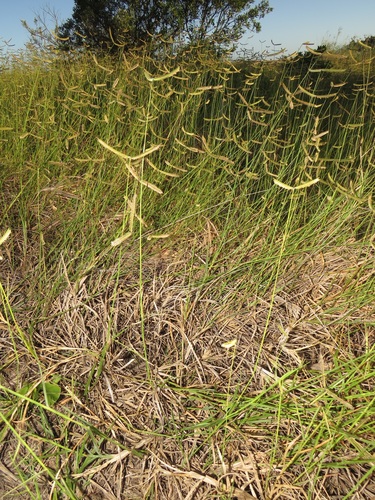
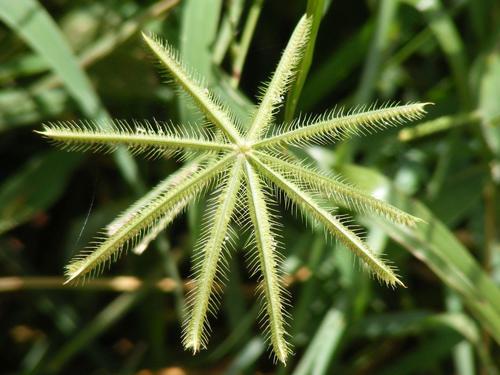
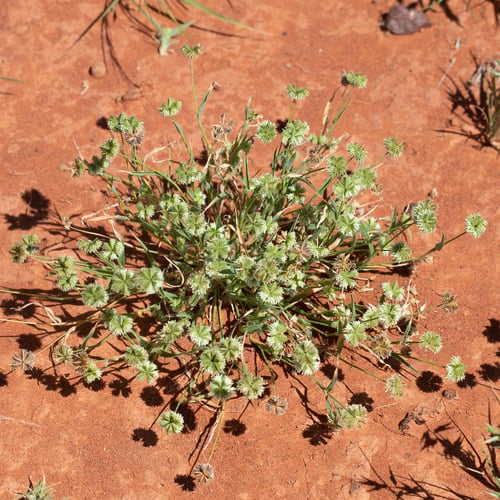
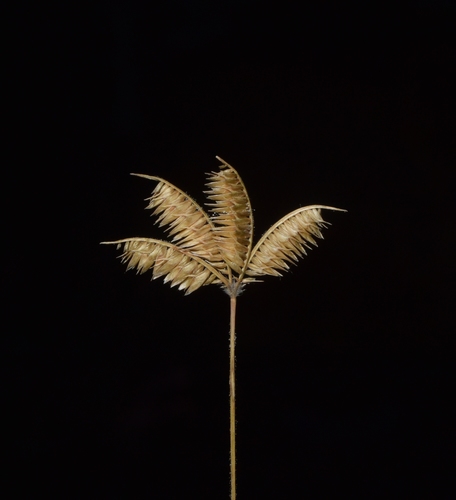
Gigantochloa levis
(Blanco) Merr.
Smooth-shoot gigantochloa
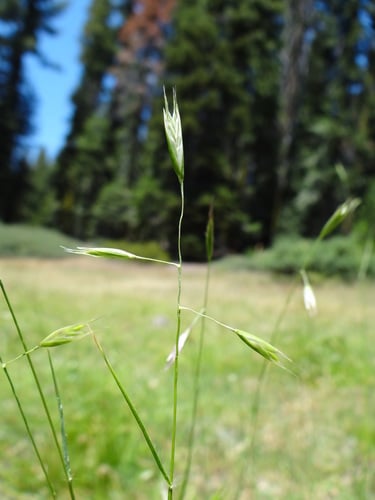
iNaturalist· cc-by-nc
(c) Anika Ladlef, some rights reserved (CC BY-NC), uploaded by Anika Ladlef
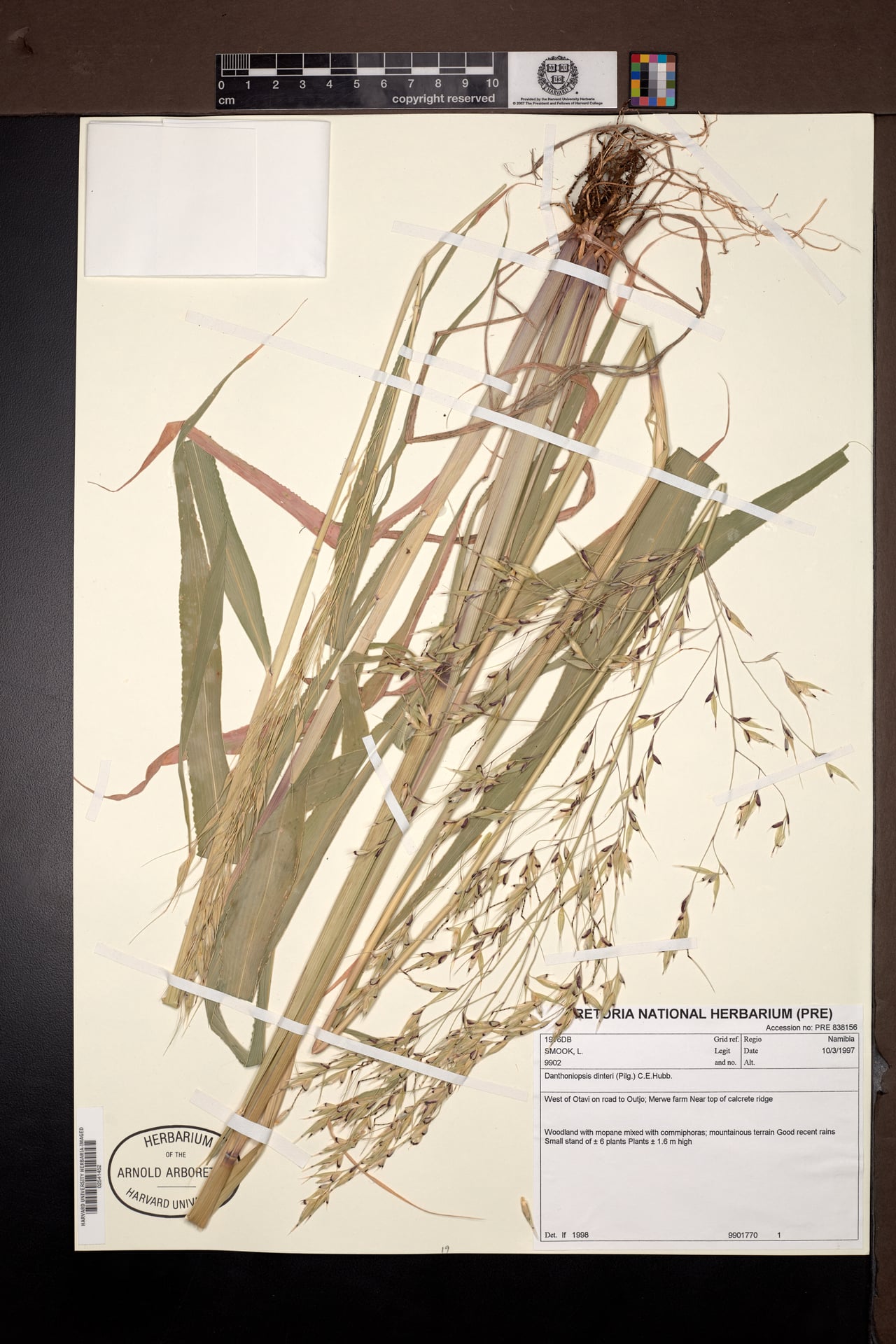
wikimedia· cc0
Wikimedia Commons - Daderot
Summary
Fast-growing evergreen bamboo reaching 15m tall with a 4m spread. Produces long, straight culms suitable for construction and traditional applications. Flowers are wind-pollinated. Grows in light sandy, medium loamy, and heavy clay soils with good drainage. Suitable for mildly acid and neutral pH. Tolerates semi-shade or full sun and prefers moist soil. Hardy to UK zone 10.
Description
A stout bamboo reaching 20 m high. The stems are 20 cm across. The stems are straight, smooth and dull green. They are covered with sharp hairs but without any spines. The internodes are 29 to 36 cm long. The nodes are straight and few roots form from nodes.
Edible Uses
Young shoots are cooked and eaten and are considered to be of good quality.
Traditional Uses
The young shoots are cooked and eaten.
This uses section is brief — help expand it
Medicinal Uses
Around 150ml of juice from the stem is taken to reduce body temperature.
Distribution
A tropical plant. They are found near towns as well as in forests in the Philippines. In southern China it grows along river sides and valleys between 500-1,000 m above sea level.
Where It Grows
Asia, Australia, Brunei, China, Indonesia, Malaysia, Pacific, Philippines, SE Asia, Taiwan,
Cultivation
Grows reasonably well on a large range of sites, except where the soil is too sandy or too dry. Five year old plants in a plantation started from cuttings each yielded an average of 9.4 culms around 10.4 metres tall and 11cm in diameter. The average number of young shoots produced by the plants the plants was around 6, which increased to 10 - 15 in their tenth year. Bamboos have an interesting method of growth. Each plant produces a number of new stems annually - these stems grow to their maximum height in their first year of growth, subsequent growth in the stem being limited to the production of new side branches and leaves. In the case of some mature tropical species the new stem could be as much as 30 metres tall, with daily increases in height of 30cm or more during their peak growth time. This makes them some of the fastest-growing species in the world. Bamboos in general are usually monocarpic, living for many years before flowering, then flowering and seeding profusely for a period of 1 - 3 years before usually dying. Bamboos in general are usually monocarpic, living for many years before flowering, then flowering and seeding profusely for a period of 1 - 3 years before usually dying. This pattern can vary - sometimes flowering is sporadic, with plants flowering annually and not dying; at other times it is gregarious with all the plants in a specific species coming into flower at the same time. Flowering in this species occurs over many months in a fertile clump, in one to several or all culms. After flowering, culms senesce, but sometimes clumps can regenerate from the rhizome. Young shoots for food can be harvested 7 - 15 days after emergence. Whereas younger shoots have less protein and fat and more iron, they also have much less crude fibre per 100 g edible portion. Because the best texture in shoots is present just one week after emergence, that may also be the best time to harvest. Culms of about a year old can be harvested for making handicrafts, but only culms of at least 3 years old should be taken for construction purposes. It has been estimated that a clump should only be harvested 5 - 8 years after planting, and not more than 60% of all standing mature culms should be harvested from any clump per year. The harvested culms apparently are more durable and resistant to insect and fungal attack if they have been immersed in water for about 60 days. In some cases in the Philippines, prior to use, culms are sun-dried (for 4 weeks or more) or kiln-dried (for about 9 days) and then subjected to curing with smoke or painted with slaked lime ("whitewashing""). Another method of traditional curing is to leave the branches and leaves on a harvested culm for some time, which is said to reduce the amount of moisture and starch in the culm via transpiration through the leaves.
Propagation
Seed is not normally used. The plant is propagated vegetatively by rhizome or culm cuttings. For culm cuttings, pieces of about 50cm in length are recommended, each including a well-developed branching node, planted horizontally at 10cm depth. Cuttings are established first in a nursery or, as documented in the Philippines, planted directly in the field at the onset of the rainy season. The recommended plantation spacing is 6–7 metres by 7 metres.
Other Uses
The long, straight culms have a variety of traditional uses including rough construction, framework, and applications in the fishing industry such as making rafts, fish traps, outriggers, and fish pens. They are also used as temporary water pipes, in fencing, in modern furniture making, split for plaiting walls, and in the handicraft industry. One Philippine study found the canes suitable as raw material for kraft pulps based on pulp strength, pulp yield, and acceptable silica content.
Other Information
The edible shoots are popular. It is cultivated.
Synonyms
Also Known As
Bulo semilang, Buloh seremai, Bolo, Buluh beting, Buluh suluk, Buluh tup, Poring, Paling, Kabolian
References (11)
- Amer. J. Bot. 3:61. 1916
- Burkill, I.H., 1966, A Dictionary of the Economic Products of the Malay Peninsula. Ministry of Agriculture and Cooperatives, Kuala Lumpur, Malaysia. Vol 1 (A-H) p 1086
- Dransfield, S. & Widjaja, EA., 1995, Plant Resources of South East Asia. PROSEA No. 7 Bamboos. Leiden. p 21
- Hibbert, M., 2002, The Aussie Plant Finder 2002, Florilegium. p 111
- Hoare, A., 2003, Food use of the Lundayeh SW Sabah. Borneo Research Council.
Show all 11 references Hide references
- http://www.plantnames.unimelb.edu.au/sorting/Bamboos_Edible.html
- Monsalud, M.R., Tongacan, A.L., Lopez, F.R., & Lagrimas, M.Q., 1966, Edible Wild Plants in Philippine Forests. Philippine Journal of Science. p 475
- Ochse p 327
- USDA, ARS, National Genetic Resources Program. Germplasm Resources Information Network - (GRIN). [Online Database] National Germplasm Resources Laboratory, Beltsville, Maryland. Available: www.ars-grin.gov/cgi-bin/npgs/html/econ.pl (10 April 2000)
- Wiersema, J. H. & Leon, B., 2013, World Economic Plants. A Standard Reference CRC Press. 2nd Ed. p 322
- World Checklist of Useful Plant Species 2020. Royal Botanic Gardens, Kew