Genista tinctoria
L.
Dyer's greenweed, Waxen woad, Dyer's-broom, Woodwaxen
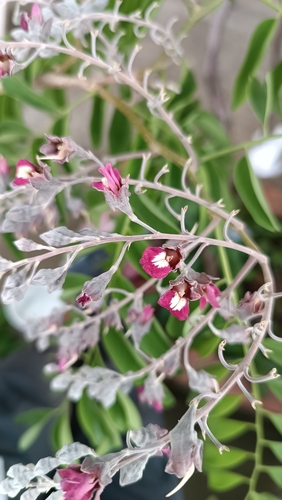
iNaturalist· cc-by-nc
(c) Denys Davydov, some rights reserved (CC BY-NC), uploaded by Denys Davydov
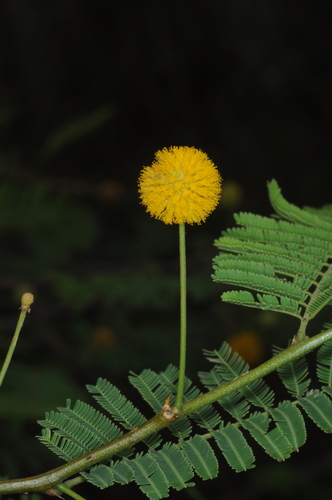
iNaturalist· cc-by-nc
(c) Sebastian J. Dunkl, some rights reserved (CC BY-NC), uploaded by Sebastian J. Dunkl
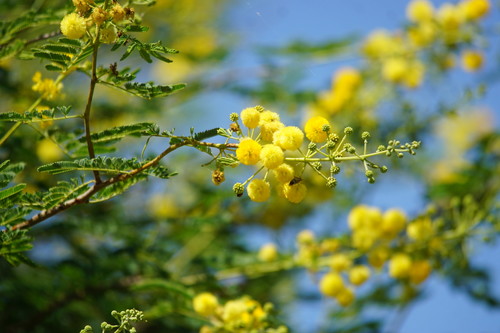
iNaturalist· cc-by-nc
(c) Alexey P. Seregin, some rights reserved (CC BY-NC), uploaded by Alexey P. Seregin
Summary
Source: WikipediaGenista tinctoria, the dyer's greenweed or dyer's broom, is a species of flowering plant in the family Fabaceae. Its other common names include dyer's whin, waxen woad and waxen wood. The Latin specific epithet tinctoria means "used as a dye".
Description
A shrub. It loses its leaves during the year. It is 45-90 cm high and spreading 90-120 cm wide. The stems are green. The leaves are dark green. They are 2.5 cm long. They have fine hairs underneath. The flowers occur in slender short spires. They are yellow.
Edible Uses
The seed has been suggested as a possible coffee substitute. Flower buds are pickled and used as a substitute for capers. The leaves are also used as a vegetable.
Traditional Uses
The flower buds are pickled and used as a substitute for capers. Seeds have been used as a substitute for coffee.
This uses section is brief — help expand it
Medicinal Uses
The twigs, leaves, and flowering stems are cathartic, diaphoretic, diuretic, emetic, stimulant, and vasoconstrictor; the seeds are also sometimes used medicinally. The plant is harvested in early summer as it comes into flower and can be dried for later use, though it should not be stored for more than 12 months as its active ingredients break down over time. The powdered seeds act as a mild purgative and were once used to make a plaster for broken limbs. A decoction of the whole plant has been used as a remedy for dropsy, rheumatism, and gout. A homeopathic remedy made from the fresh shoots is used in the treatment of rheumatism.
Distribution
It is frost hardy. Temperate. It suits hardiness zones 2-9.
Where It Grows
Argentina, Armenia, Australia, Britain, Canada, Caucasus, Europe, France, Greece, Italy, Luxembourg, Mediterranean, North America, Portugal, Siberia, Slovenia, South America, Spain, Turkey, Türkiye,
Cultivation
Easily grown in a light well-drained soil in a sunny position. Prefers a rather dry soil, tolerating poor and sandy soils. Prefers a lime-free soil. Succeeds in acid or basic soils. A very cold-tolerant plant, tolerating temperatures down to about -35°c. Resents root disturbance and should only be transplanted whilst young. Sometimes cultivated as a dye plant, it is usually treated as a biennial for this purpose, the whole plant being harvested in the second year. Plants do not require pruning, but they can be cut back as required once they have finished flowering in order to maintain shape. Polymorphic, a number of named forms have been developed for their ornamental value. A good bee plant. Rabbits love eating this plant. Cows also eat the plant, but it taints their milk. This species has a symbiotic relationship with certain soil bacteria, these bacteria form nodules on the roots and fix atmospheric nitrogen. Some of this nitrogen is utilized by the growing plant but some can also be used by other plants growing nearby.
Propagation
Seed benefits from cold stratification and is best sown in autumn in a cold frame. Stored seed should be pre-soaked for 24 hours in warm water and sown in February in a cold frame, where it germinates well. Once large enough to handle, prick seedlings into individual pots and plant out in summer. Cuttings of half-ripe wood, 5–10cm with a heel, can be taken in July/August in a frame, with roots forming the following spring. Cuttings of ripe wood, 5–10cm with a heel, taken in September/October in a frame give a good percentage; plant out the following autumn.
Other Uses
A very good quality yellow dye is obtained from the whole plant, particularly from the flowers and young shoots. Mixed with woad (Isatis tinctoria), it produces an excellent green. Alum, cream of tartar, and sulphate of lime are used as fixatives. Stems can be dried and stored until the dye is needed. A fibre obtained from the stems is used for coarse cloth and cordage. Plants can serve as ground cover when spaced about 45cm apart each way; the cultivar 'Flore Pleno', which is always dwarf, is considered more reliable than the species for this purpose.
Notes
There are about 90 Genista species. It is used as a medicinal herb. Also as Papilionaceae.
Also Known As
Barvilna košeničica
References (13)
- Blamey, M and Grey-Wilson, C., 2005, Wild flowers of the Mediterranean. A & C Black London. p 82
- Bremness, L., 1994, Herbs. Collins Eyewitness Handbooks. Harper Collins. p 104
- Brown, D., 2002, The Royal Horticultural Society encyclopedia of Herbs and their uses. DK Books. p 222
- Cundall, P., (ed.), 2004, Gardening Australia: flora: the gardener's bible. ABC Books. p 629
- Etherington, K., & Imwold, D., (Eds), 2001, Botanica's Trees & Shrubs. The illustrated A-Z of over 8500 trees and shrubs. Random House, Australia. p 345
Show all 13 references Hide references
- Facciola, S., 1998, Cornucopia 2: a Source Book of Edible Plants. Kampong Publications, p 105
- Hedrick, U.P., 1919, (Ed.), Sturtevant's edible plants of the world. p 327
- Joyce, D., 1998, The Garden Plant Selector. Ryland, Peters and Small. p 143
- Kremer, B.P., 1995, Shrubs in the Wild and in Gardens. Barrons. p 100.
- Lord, E.E., & Willis, J.H., 1999, Shrubs and Trees for Australian gardens. Lothian. p 233
- Plants for a Future database, The Field, Penpol, Lostwithiel, Cornwall, PL22 0NG, UK. http://www.scs.leeds.ac.uk/pfaf/
- Sp. pl. 2:710. 1753
- Young, J., (Ed.), 2001, Botanica's Pocket Trees and Shrubs. Random House. p 411