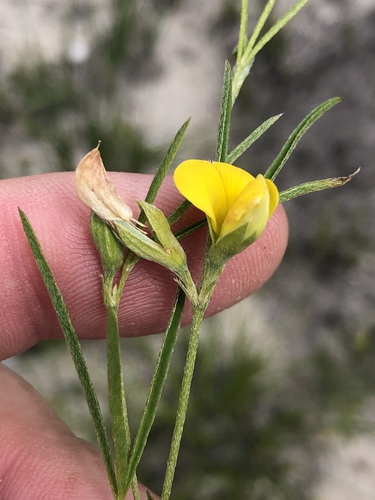
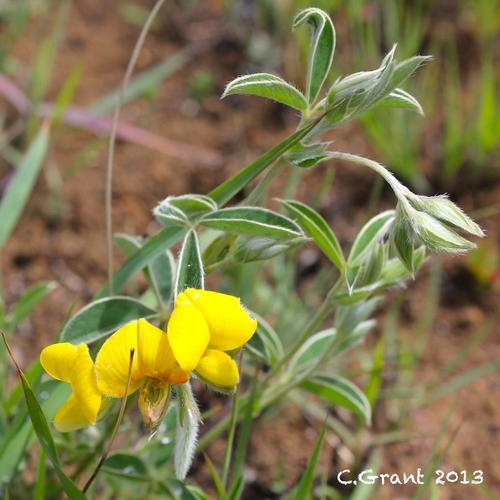
Cathormion umbellatum
(Vahl) Kosterm.
Cathormion, Bean-tree, Cathormium
iNaturalist· cc-by
(c) Ian Cowie, some rights reserved (CC BY)
iNaturalist· cc-by
(c) Ian Cowie, some rights reserved (CC BY)
iNaturalist· cc-by
(c) Ian Cowie, some rights reserved (CC BY)
Description
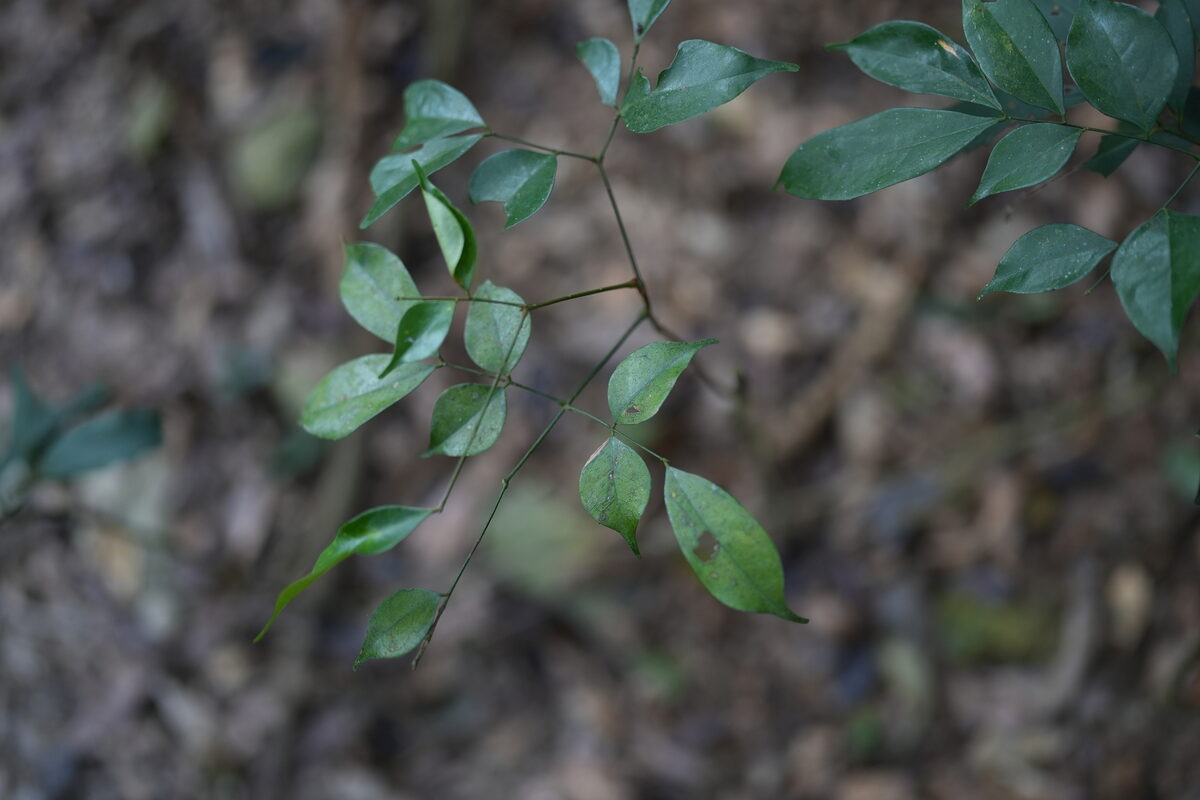
A medium sized tree. It grows to 6-15 m high and spreads to 3-8 m wide. It has a fine lacy crown with small branches which droop over. The bark is dark brown, rough and furrowed. It becomes flaky. The trunk can be crooked or divided. It often has several stems. The young shoots are hairy. On young shoots from re-growing branches, there are spines. The leaves are twice divided. The leaves are 1.2-2.5 cm long then there are 1-2 pairs of branches with 4-7 pairs of leaflets each. These leaflets are 2.5-5 cm long by 1-2 cm wide. There are small round glands where the small leaf branches join. They are glossy light green on top and dull underneath. The flower cluster occurs at the end of the stalk in the axils of leaves and is erect and short. The flowers are about 1 cm long and yellow. They occur in round clusters where each flower stalk of the same length comes from the same point. The flowers have a perfume. The fruit are pods and these are 7-10-20 cm long by 1.5-2 cm wide. The pods are curved and thick and hard. They break into segments which have one seed each. The seeds are dark brown and 1.3 cm across. They are 2 mm thick.
Edible Uses
The young pods are eaten after roasting. The fruit and seeds are also consumed.
Traditional Uses
The young pods are eaten after roasting.
This uses section is brief — help expand it
Distribution
A tropical plant. It occurs in coastal areas near streams. They do best with well drained soil and a sunny position. Often they are on the inner edge of the mangrove forest.
Where It Grows
Asia, Australia, East Timor, India, Indochina, Indonesia, Laos, Malaysia, Pacific, Papua New Guinea, PNG, SE Asia, Timor-Leste, Vietnam,
Cultivation
Plants are grown from seed. The seed need treatment before sowing.
Production
Plants are moderately fast growing. In Northern Australia the pods are ripe July to October.
Notes
There are 15 Cathormion species. Also as Mimosaceae.
Synonyms
Also Known As
Keo chuoi, Tiem
References (18)
- Bull. Organ. Natuurw. Onderz. Indonesie 20:12. 1954
- Cherikoff V. & Isaacs, J., The Bush Food Handbook. How to gather, grow, process and cook Australian Wild Foods. Ti Tree Press, Australia p 198
- Cooper, W. and Cooper, W., 2004, Fruits of the Australian Tropical Rainforest. Nokomis Editions, Victoria, Australia. p 311
- Cowie, I, 2006, A Survey of Flora and vegetation of the proposed Jaco-Tutuala-Lore National Park. Timor-Lests (East Timor) www.territorystories.nt/gov.au p 50
- Cribb, A.B. & J.W., 1976, Wild Food in Australia, Fontana. p 74
Show all 18 references Hide references
- Dunlop, C.R., Leach, G.J. & Cowie, I.D., 1995, Flora of the Darwin Region. Vol 2. Northern Territory Botanical Bulletin No 20. p 23
- Elliot, W.R., & Jones, D.L., 1982, Encyclopedia of Australian Plants suitable for cultivation. Vol 2. Lothian. p 488
- Flora of Australia Volume 12, Mimosaceae (excl. Acacia) Caesalpiniaceae. Melbourne: CSIRO Australia (1998) p 49, 48
- Hibbert, M., 2002, The Aussie Plant Finder 2002, Florilegium. p 62
- ILDIS Legumes of the World http:www;ildis.org/Legume/Web
- Jones D, L, 1986, Ornamental Rainforest Plants in Australia, Reed Books, p 152
- Milson. J., 2000, Trees and Shrubs of north-west Queensland. DPI p 162
- Paczkowska, G . & Chapman, A.R., 2000, The Western Australian Flora. A Descriptive Catalogue. Western Australian Herbarium. p 329
- Petheram, R. J. and Kok, B., 2003, Plants of the Kimberley Region of Western Australia. UWA Press p 395
- Pham-Hoang Ho, 1999, An Illustrated Flora of Vietnam. Nha Xuat Ban Tre. p 82
- Townsend, K., 1994, Across the Top. Gardening with Australian Plants in the tropics. Society for Growing Australian Plants, Townsville Branch Inc. p 127
- Verdcourt, B., 1979, Manual of New Guinea Legumes. Botany Bulletin No 11, Division of Botany, Lae, Papua New Guinea. p 203
- Wheeler, J.R.(ed.), 1992, Flora of the Kimberley Region. CALM, Western Australian Herbarium, p 338