Cassia tomentosa
L. f.
Downy Cassia
iNaturalist· cc-by-nc
(c) Craig Peter, some rights reserved (CC BY-NC)
iNaturalist· cc-by-nc
(c) Craig Peter, some rights reserved (CC BY-NC)
iNaturalist· cc-by-nc
(c) Craig Peter, some rights reserved (CC BY-NC)
Description
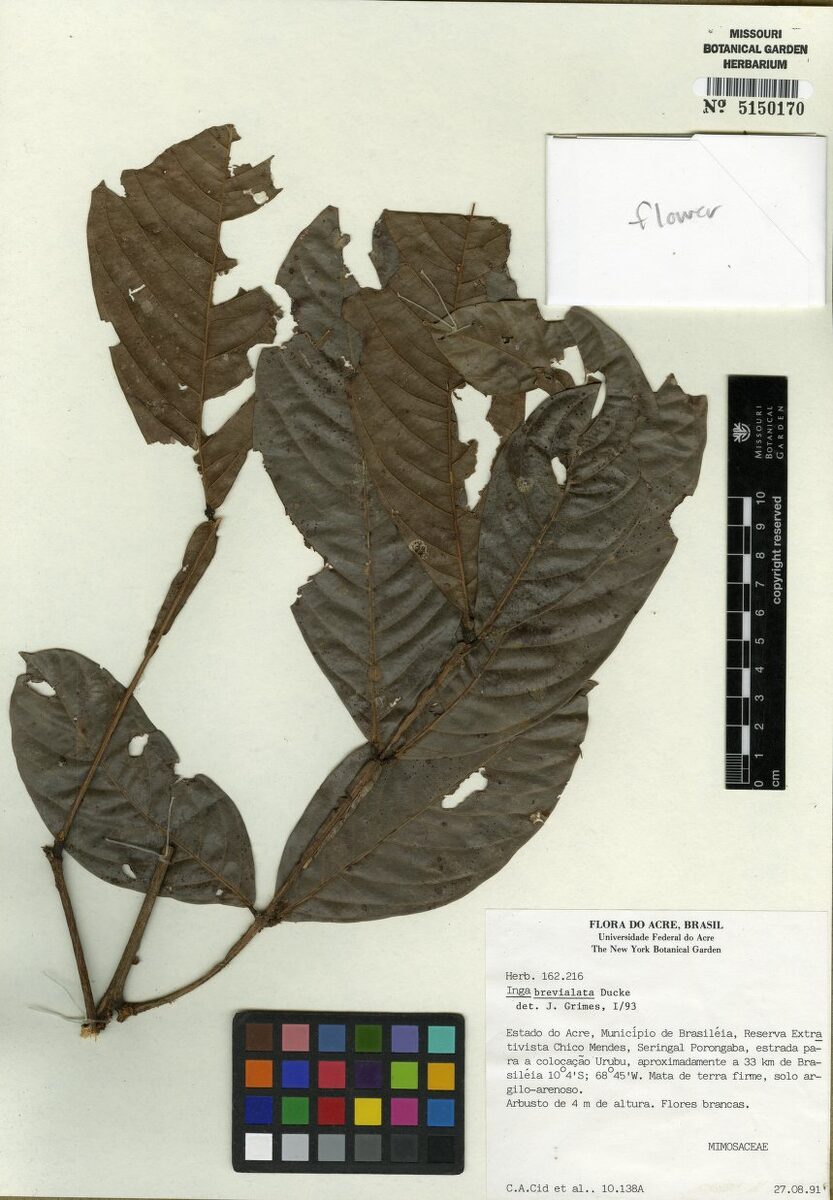
A shrub 3-4 m tall. It has velvety yellow hairs all over the plant. The leaflets are in 4-9 pairs. They are oblong and 1-4 cm long by 1 cm wide. They are rounded with a sharp point at the top end. They are more hairy underneath. The leaf stalk does not have glands. The leaf axis has glands between some or all of the pairs of leaflets. The flower cluster is branched with 2- flowered stalks. The petals are bright yellow. These are 1-1.3 cm long. The fruit are pods which are 8-14 cm long and round or somewhat flattened. They are 0.8-1.5 cm wide. The pods have partitions along their length and the whole pod drops without splitting open to shed the seeds.
Edible Uses
The flowers are boiled and eaten, and the leaves are also edible.
Traditional Uses
The flowers are boiled and eaten.
This uses section is brief — help expand it
Distribution
A tropical plant. It grows in Papua New Guinea between 1950 and 2670 m altitude. It will grow in cooler areas of Australia.
Where It Grows
Asia, Australia, Central America, Mexico, Myanmar, North America, Pacific, Papua New Guinea, PNG, Peru, SE Asia, South America,
Other Information
It is not known if they are used for food in Papua New Guinea.
Notes
There are 100 Cassia species. This group has been revised to a smaller more consistent group. Also as Caesalpinaceae.
Also Known As
Kazazaw-bok, Mutuy
References (6)
- GADE,
- Lord, E.E., & Willis, J.H., 1999, Shrubs and Trees for Australian gardens. Lothian. p 212
- Macmillan, H.F. (Revised Barlow, H.S., et al), 1991, Tropical Planting and Gardening. Sixth edition. Malayan Nature Society. Kuala Lumpur. p 356
- Martin, F.W. & Ruberte, R.M., 1979, Edible Leaves of the Tropics. Antillian College Press, Mayaguez, Puerto Rico. p 198
- Suppl. pl. 231. 1782 ("1781")
Show all 6 references Hide references
- Verdcourt, B., 1979, Manual of New Guinea Legumes. Botany Bulletin No 11, Division of Botany, Lae, Papua New Guinea. p 55