Gaultheria tomentosa
H. B. Kunth
iNaturalist· cc-by-nc
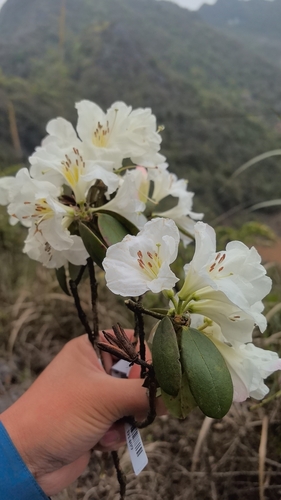
(c) María Cristina Córdova, some rights reserved (CC BY-NC), uploaded by María Cristina Córdova
iNaturalist· cc-by-nc
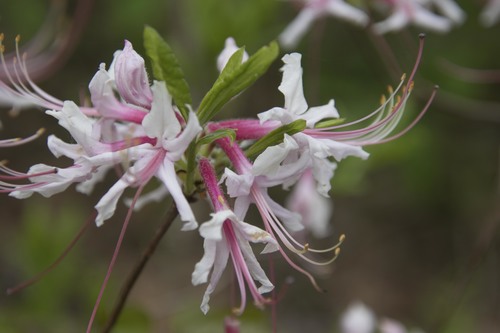
(c) Edgar Segovia, some rights reserved (CC BY-NC)
iNaturalist· cc-by-nc
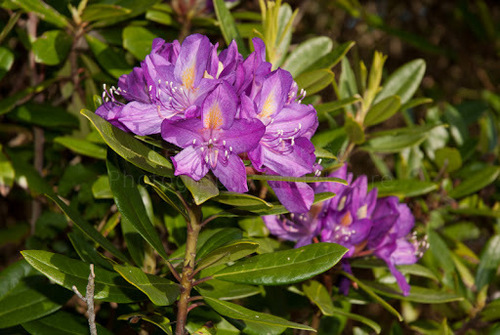
(c) Edgar Segovia, some rights reserved (CC BY-NC)
Description
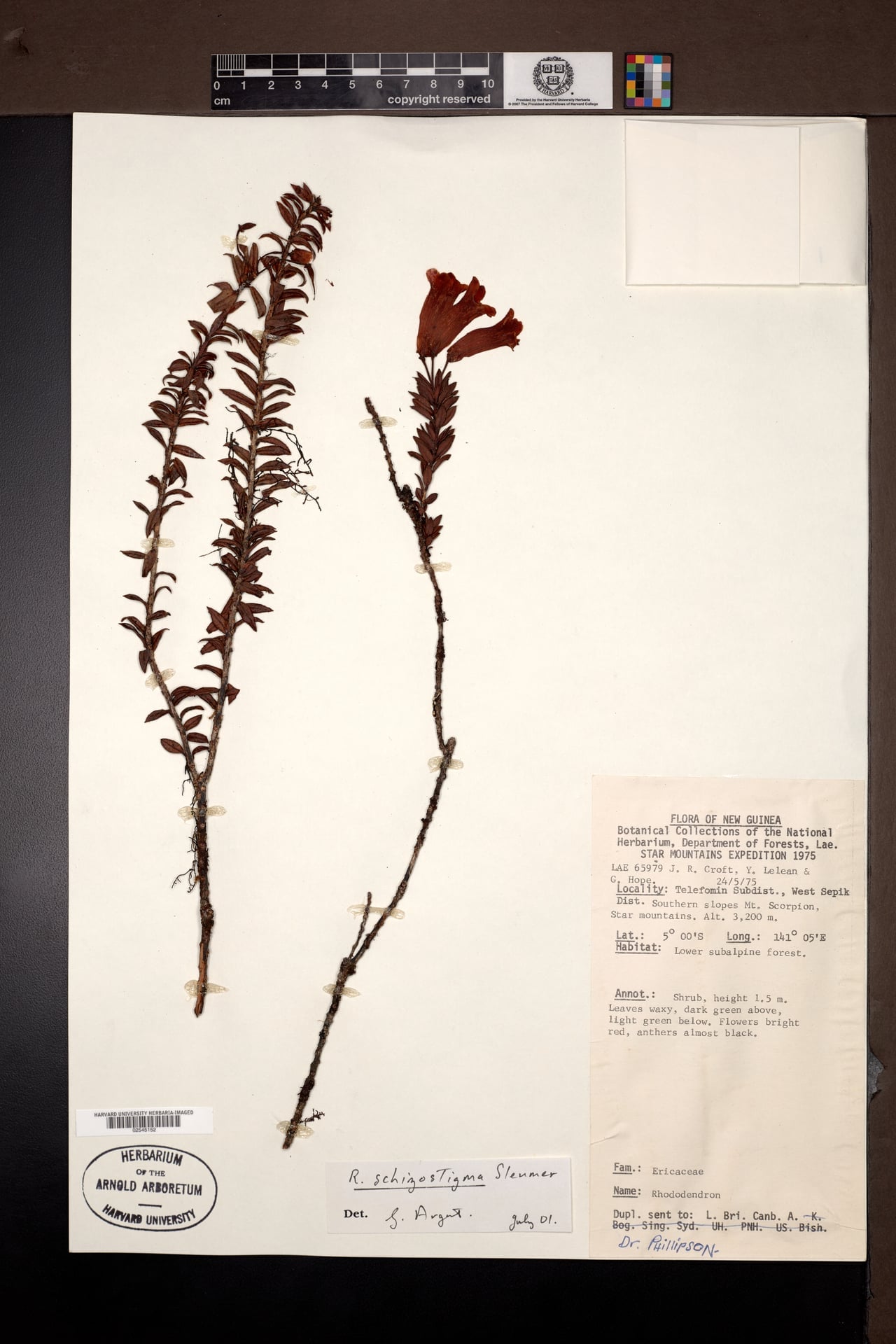
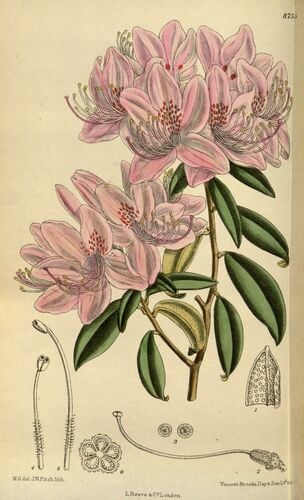
A shrub. It can grow to 4 m tall. The bark is reddish brown and cracks in long strips. The leaves are oval and 2-5 cm long by 0.6-1.4 cm wide. They taper to a long tip. The flowering shoots have 7-12 flowers. The fruit are 6-10 mm across and blue-black.
Edible Uses
The fruit are pulpy and sweet, eaten fresh especially by children.
Traditional Uses
The fruit are pulpy and sweet.
This uses section is brief — help expand it
Medicinal Uses
Several species are grown as ornamental shrubs in gardens, particularly G. mucronata (Pernettya mucronata) from southern Chile and Argentina and G. shallon (salal) from the Pacific Northwest of North America. Many of the smaller species are suitable for rock gardens. Like most other ericaceous plants, Gaultheria species do best in peaty soil that never fully dries out. The fruit of many Gaultheria species is edible, particularly that of salal, which can be used to make jelly. One, the American wintergreen or eastern teaberry, G. procumbens, is the traditional source of wintergreen flavouring; it is called the eastern teaberry because its leaves can be used to make a tea, and its berries can be eaten without preparation. The fruit of most other Gaultheria species is insipid in flavour and not extensively consumed. One variety of G. leucocarpa shows anti-inflammatory properties and is used in Chinese herbal medicine for the treatment of rheumatoid arthritis, swelling, and pain.
Distribution
A tropical plant. It grows between 2,700-3,400 m above sea level.
Where It Grows
Ecuador, Peru, South America,
Other Information
The fruit are eaten especially by children.
Notes
There are about 170 Gaultheria species.
Synonyms
Also Known As
Duraznillo, Gallo lulun Huevo de gallo, Shamsque, Sierilla
References (5)
- F. W. H. A. von Humboldt et al., Nov. gen. sp. 3:224[folio]; 3:287[quarto], t. 262. 1819
- Joyal, E., 1987, Ethnobotanical Field Notes from Ecuador: Camp, Prieto, Jorgensen, and Giler. Economic Botany 41(2): 163-189
- Kermath, B. M., et al, 2014, Food Plants in the Americas: A survey of the domesticated, cultivated and wild plants used for Human food in North, Central and South America and the Caribbean. On line draft. p 385
- Torre, de la, L., et al, 2008, Enciclopedia de las Plantas Útiles del Ecuador. Herbario QCA. Pontificia Universidad Católica del Ecuador. p 312
- Van den Eynden, V., et al, 2003, Wild Foods from South Ecuador. Economic Botany 57(4): 576-603