Vaccinium meridionale
Swartz
Jamaica bilberry, Jamaican blueberry
iNaturalist· cc-by-nc-sa
(c) Gabriel Camilo Jaramillo Giraldo, some rights reserved (CC BY-NC-SA), uploaded by Gabriel Camilo Jaramillo Giraldo
iNaturalist· cc-by-nc
(c) Santiago Sierra-Paz, some rights reserved (CC BY-NC)
Summary
Source: WikipediaVaccinium meridionale, agraz or Andean blueberry, is a species in the section Pyxothamnus of the genus Vaccinium, in the heath and heather family. It is found in the mountains of Colombia, Venezuela and Ecuador, and may have been introduced to Jamaica. Like so‑called wild blueberries in North America, it is artisanally tended in a manner that differs little from wild growing conditions, with few inputs. Its fruit is gathered in the wild and widely sold in local health food markets and grocery stores.
Description
A shrub. It grows 0.5-4 m tall. The leaves are alternate and 1.3-3 cm long by 0.4-1.2 cm wide. The fruit are red berries. They are 6-8 mm across.
This description is brief — help expand it
Edible Uses
Fruit - raw or cooked. It can be made into a jelly or used in pies and tarts. The black berries are about 8mm in diameter.
Traditional Uses
The fruit are used to make jelly and in pies and tarts.
This uses section is brief — help expand it
Medicinal Uses
The fruit are high in anti-oxidants.
Distribution
A tropical plant. It grows between 2,700-3,400 m above sea level.
Where It Grows
Andes, Central America, Colombia, Ecuador, Jamaica, Peru, South America, Venezuela, West Indies,
Other Information
It is also cultivated.
Notes
The fruit are high in anti-oxidants.
Dangerous Lookalikes
This plant can be confused with the following toxic species. Always verify identification carefully before consuming any wild plant.
Deadly Nightshade
Atropa belladonna
Joan Simon from Barcelona, España
Jamaica bilberry
Vaccinium meridionale
(c) Gabriel Camilo Jaramillo Giraldo, some rights reserved (CC BY-NC-SA), uploaded by Gabriel Camilo Jaramillo Giraldo
Deadly Nightshade: Tall herbaceous plant (1-2m), single shiny black cherry-sized berries, star-shaped calyx, large oval leaves, sweet but dangerous taste.
Jamaica bilberry: Low woody shrub, berries in clusters with crown/remnant calyx ring, sweet taste.
Also Known As
Agraz, Andean blueberry, Colombian blueberry, Jamaica mulberry
References (10)
- Hedrick, U.P., 1919, (Ed.), Sturtevant's edible plants of the world. p 667
- Kermath, B. M., et al, 2014, Food Plants in the Americas: A survey of the domesticated, cultivated and wild plants used for Human food in North, Central and South America and the Caribbean. On line draft. p 894
- Lopez-Diago, D. & Garcia, N., 2021, Wild edible fruits of Colombia. Biota ColomBiana 22 (2) p 37
- Martin, F. W., et al, 1987, Perennial Edible Fruits of the Tropics. USDA Handbook 642 p 94
- Macmillan, H.F. (Revised Barlow, H.S., et al) 1991, Tropical Planting and Gardening. Sixth edition. Malayan Nature Society. Kuala Lumpur. p 319
Show all 10 references Hide references
- Prodr. 62. 1788
- Ramirez, D. L. A., 2010, Las Ericaceas Con Frutos Comestibles del Altiplano Cundiboyacense. Pontificia Univerisidad Javeriana, Bogota.
- Roa, J. A. G. & Boada, D. S. G., 2018, Fundación para el Fortalecimiento de la Fruticultura y Plantas Alimenticias no Convencionales en Colombia.
- Wiersema, J. H. & Leon, B., 2013, World Economic Plants. A Standard Reference CRC Press. 2nd Ed. p 709
- World Checklist of Useful Plant Species 2020. Royal Botanic Gardens, Kew
More from Ericaceae
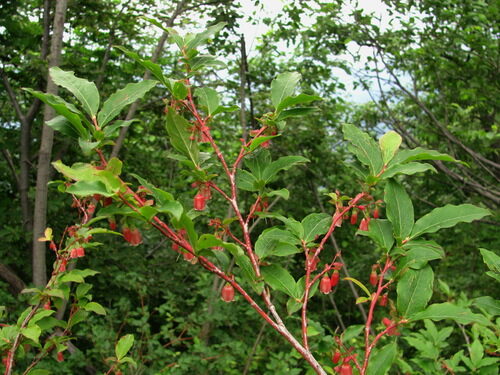
Vaccinium arctostaphylos
Caucasian Whortleberry
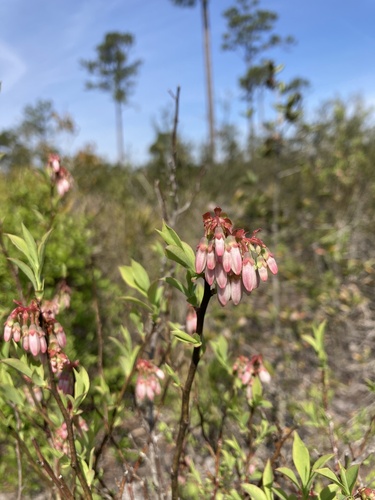
Vaccinium ashei
Rabbiteye Blueberry, Mirtilo, Mirtilo-rabbiteye
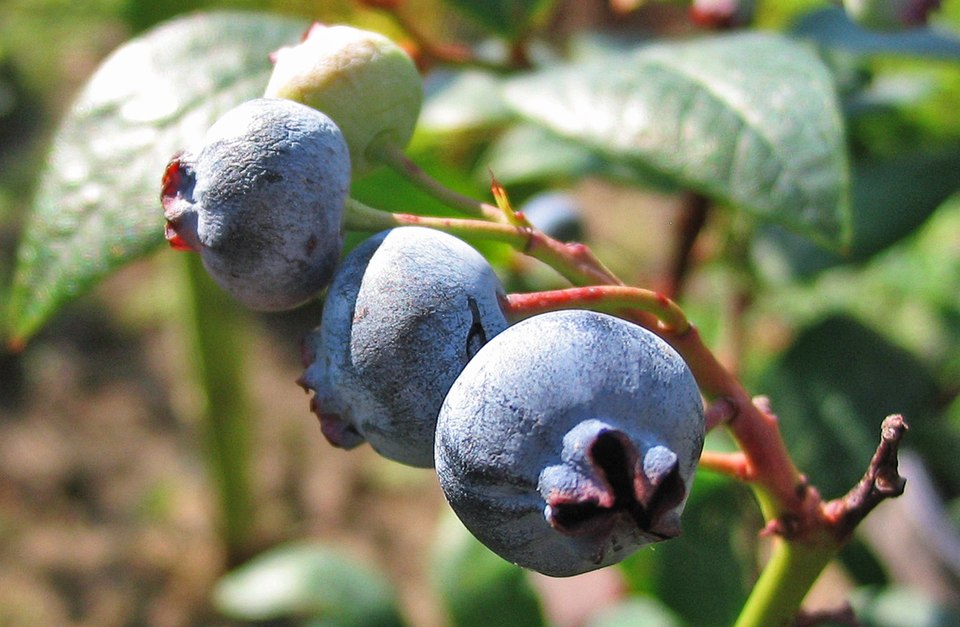
Vaccinium atrococcum
Downy swamp blueberry, Black huckleberry
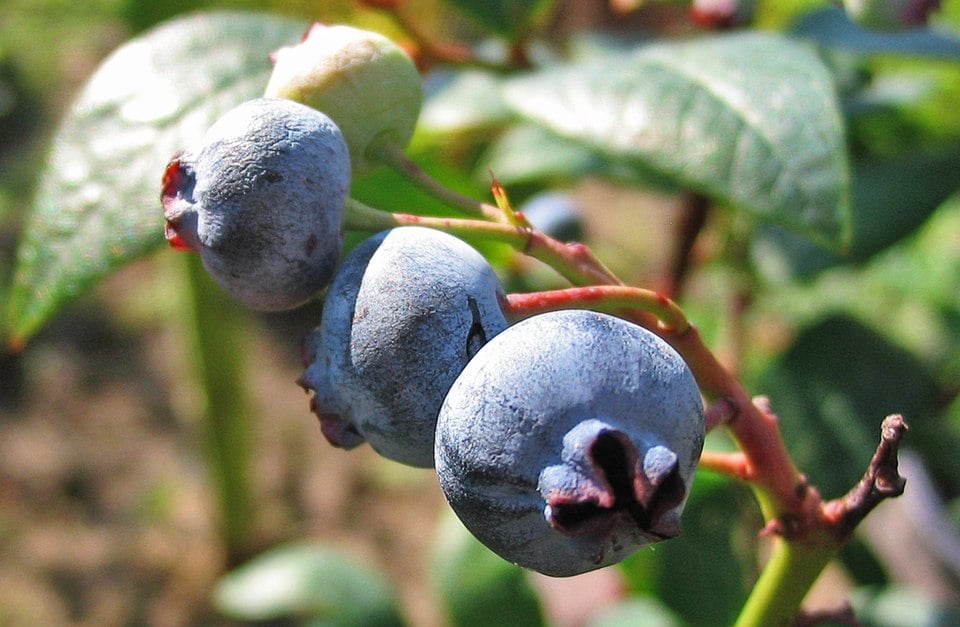
Vaccinium australe
South Eastern Highbush blueberry
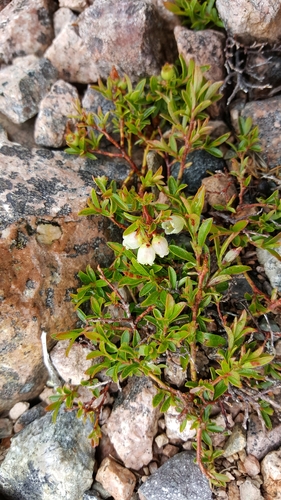
Vaccinium boreale
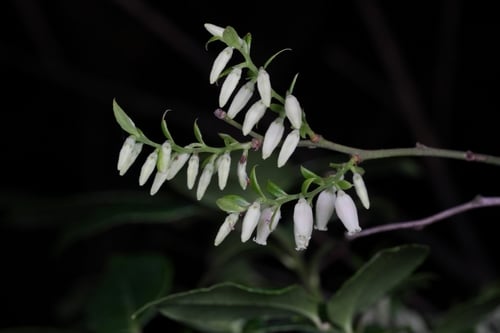
Vaccinium bracteatum
Sea bilberry, Black rice tree, Oriental blueberry