Garcinia vidalii
Merr.
Piris
gbif· cc-by
Royal Botanic Gardens, Kew
gbif· cc-by
The New York Botanical Garden
gbif· cc-by
Royal Botanic Gardens, Kew
Description
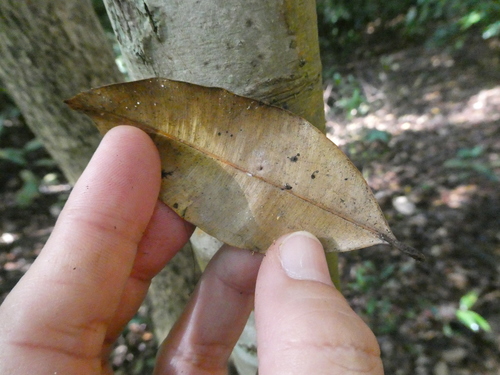
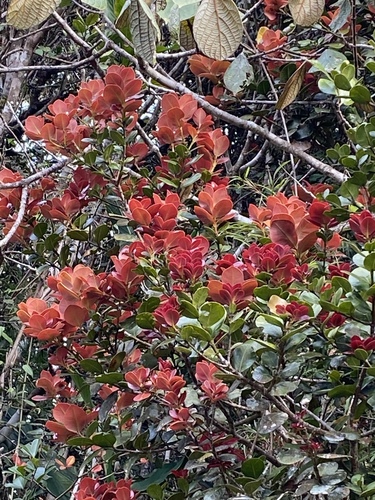
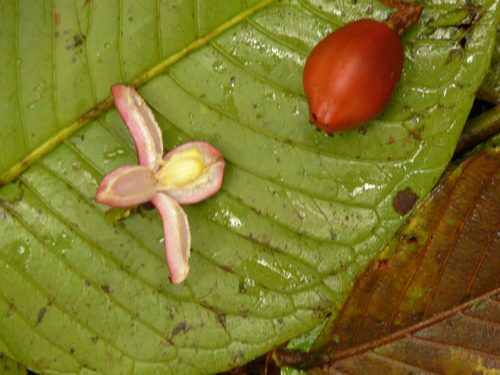
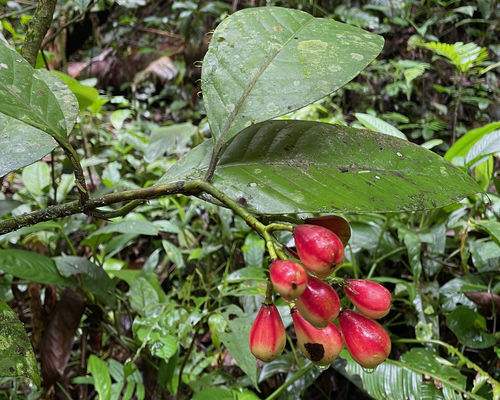
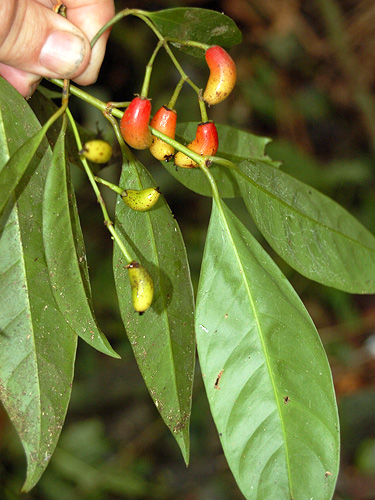
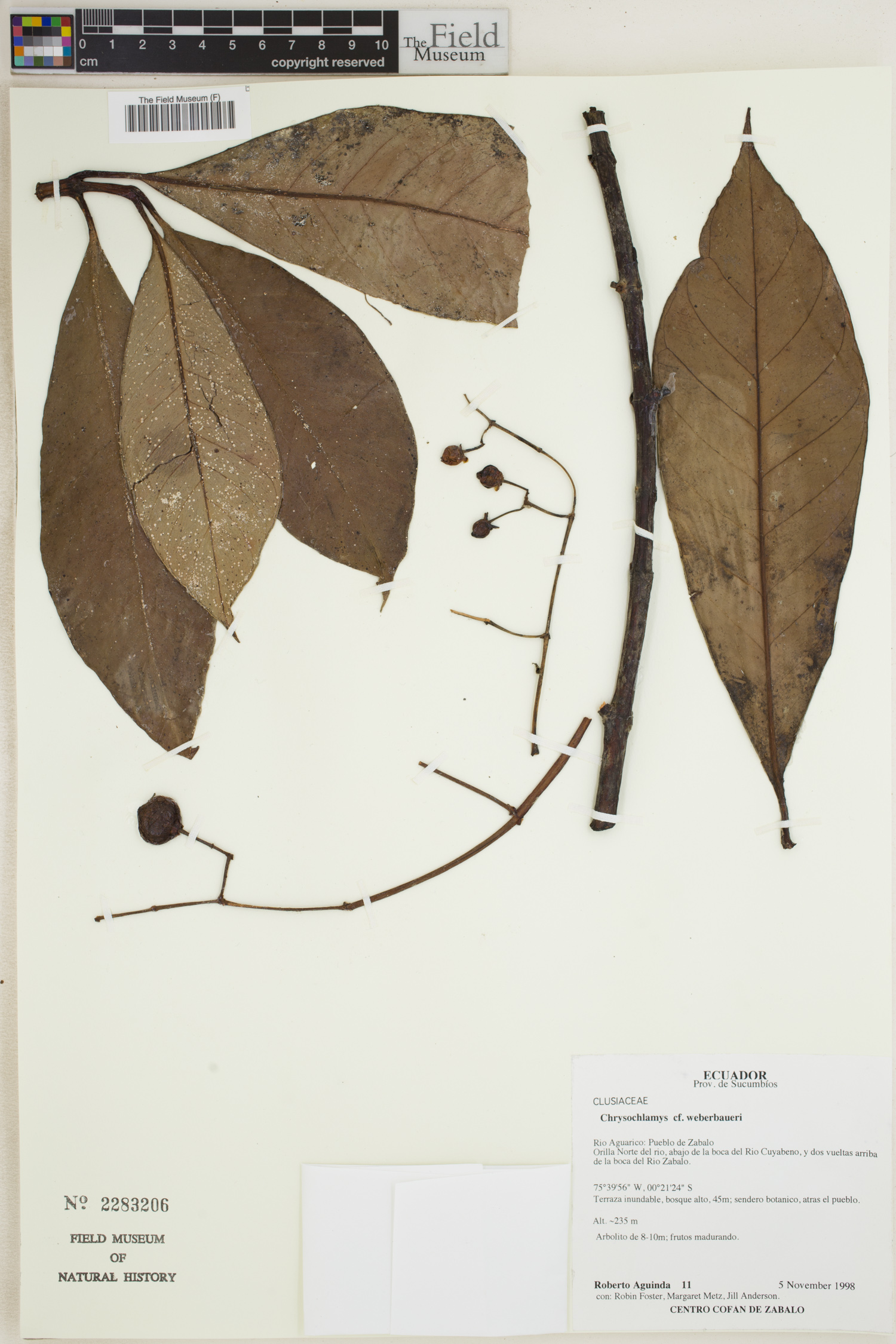
A medium sized tree. It grows 25 m tall. The trunk is 90 cm across. The leaves are opposite and usually notched at the tip. They are oval and 10-20 cm long. The flowers are white and of medium size and occur in clusters. The fruit are pale green, somewhat flattened and the base is rounded. There are firm persistent sepals on the base of the fruit. The top of the fruit has a raised circular crown and the sides are in indistinct lobes. The fruit has a firm outer covering with several seeds. They have firm yellow flesh with yellow sap.
Edible Uses
Fruit - raw. The fruit has a firm outer covering, several seeds, and a firm, acid, fleshy pulp with a pleasant flavour. The pale green, globose fruit is 6 - 9cm in diameter.
Traditional Uses
The fleshy portion of the fruit is eaten raw.
This uses section is brief — help expand it
Distribution
A tropical plant. They occur from Mt Province to Mindanao in the Philippines thriving in primary forests at low and high altitudes.
Where It Grows
Asia, Pacific, Philippines*, SE Asia,
Propagation
Seed - we have no specific information on this species, but the seed of most members of the genus can be slow to germinate, even if sown fresh, often taking 6 months or more.
Other Uses
The plant has been grown experimentally as a root stock for the mangosteen (Garcinia mangostana).
Notes
There are about 300 Garcinia species.
Also Known As
Bagalat, Belis, Bilis
References (8)
- Barcelo, R., 2015, Phytochemical Screening and Antioxidant Activity of Edible Wild Fruits in Benguet, Cordillera Administrative Region, Philippines. Electronic Journal of Biology, 2015, Vol.11(3): 80-89
- Brown, W.H., 1920, Wild Food Plants of the Philippines. Bureau of Forestry Bulletin No. 21 Manila. p 122
- Chua-Barcelo, R. T., 2014, Ethnobotanical survey of edible wild fruits in Benguet, Cordillera administrative region, the Philippines. Asian Pac. J. Trop. Biomed. 4(Suppl. 1):S525-S538
- Monsalud, M.R., Tongacan, A.L., Lopez, F.R., & Lagrimas, M.Q., 1966, Edible Wild Plants in Philippine Forests. Philippine Journal of Science. p 481
- Philipp. J. Sci., C 3:360. 1908 - replaces G. ovalifolia Vidal (non Hook. f. & Thomson)
Show all 8 references Hide references
- PROSEA (Plant Resources of South East Asia) handbook, Volume 2, 1991, Edible fruits and nut. p 177
- Reis, S. V. and Lipp, F. L., 1982, New Plant Sources for Drugs and Foods from the New York Botanical Garden herbarium. Harvard. p 186
- World Checklist of Useful Plant Species 2020. Royal Botanic Gardens, Kew