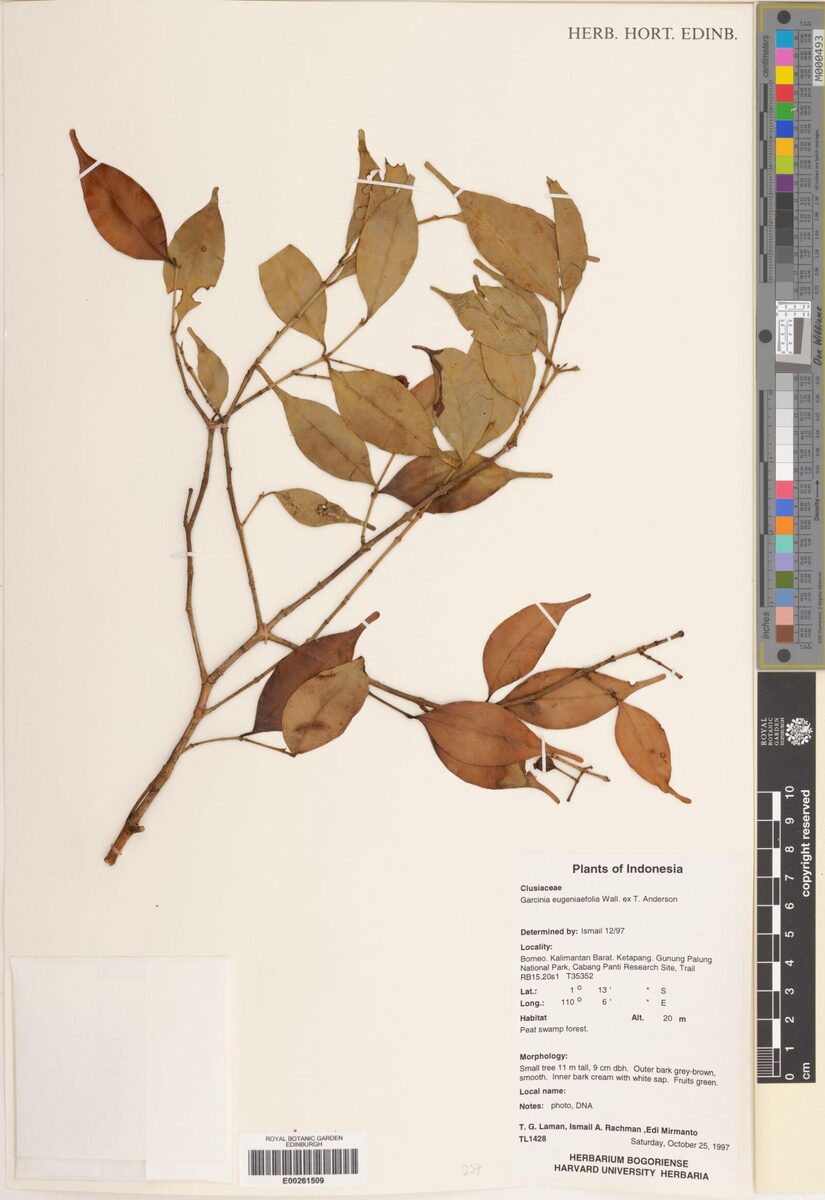
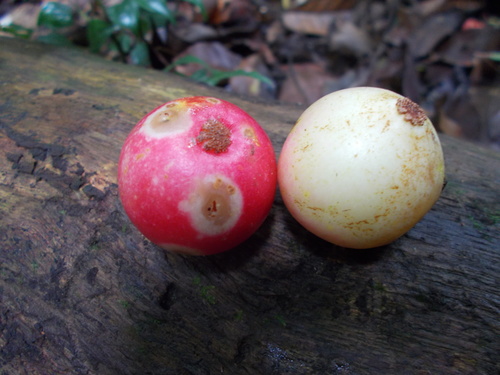
Garcinia epunctata
Stapf
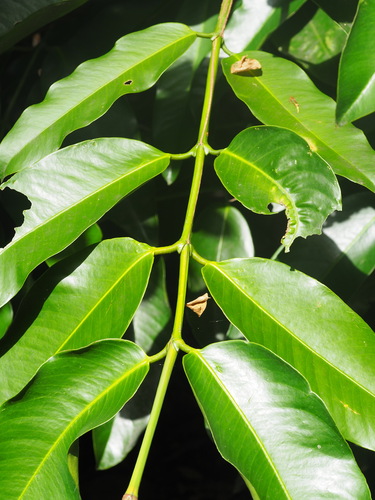
iNaturalist· cc-by-nc
(c) clementine_db, some rights reserved (CC BY-NC), uploaded by clementine_db
iNaturalist· cc-by-nc
(c) clementine_db, some rights reserved (CC BY-NC)
Summary
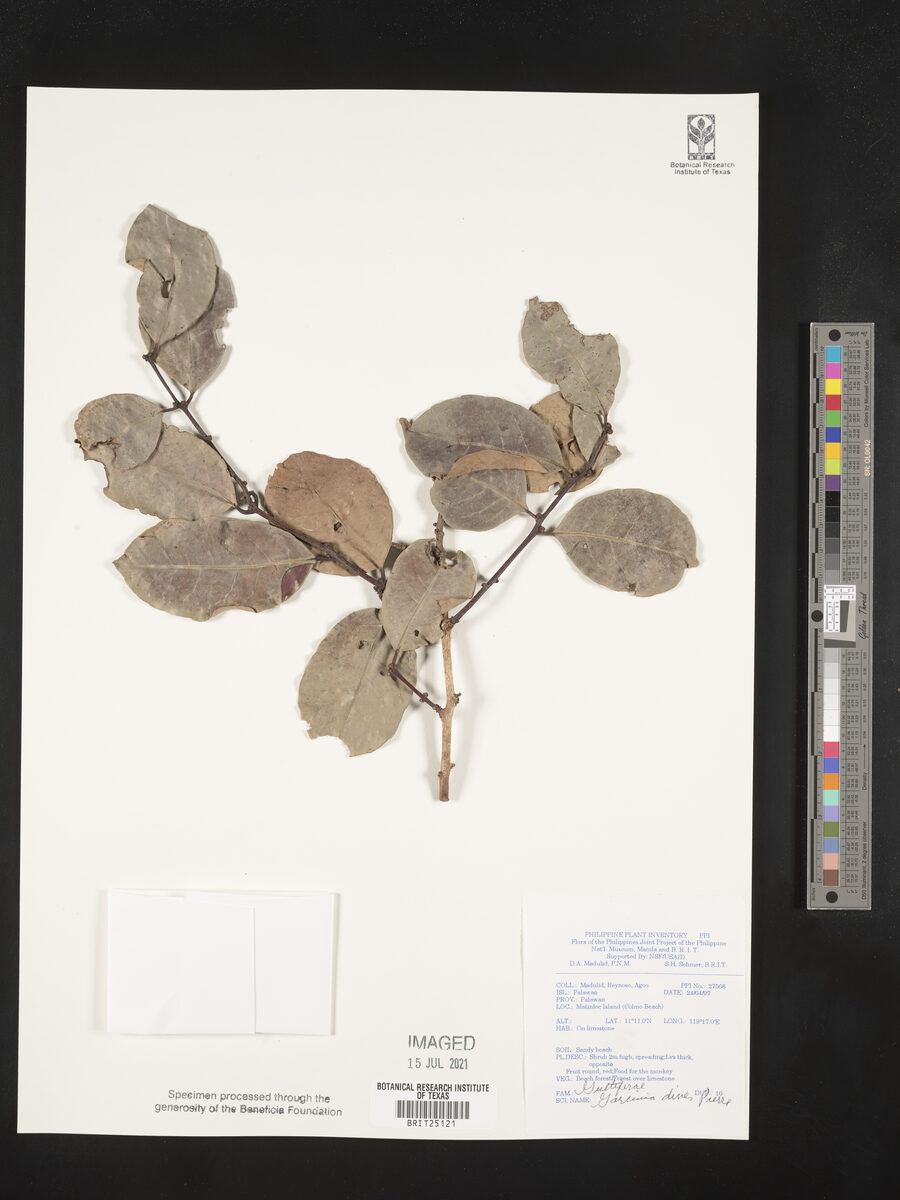
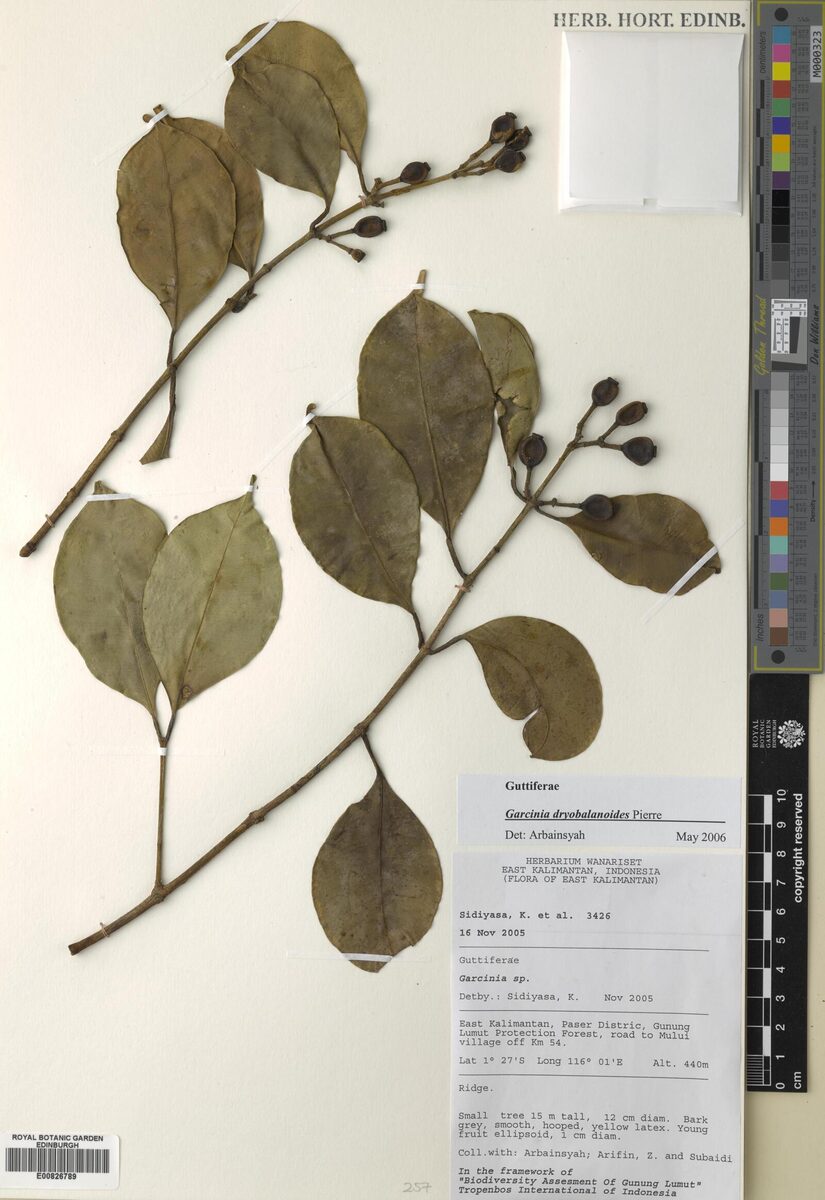
Source: WikipediaGarcinia epunctata is a tall tropical rainforest tree in the family Clusiaceae. The tree is known for growing on inselbergs found in moist tropical forests of West Africa, including Upper Guinean forests, Lower Guinean forests, and Congolian forests south through Angola, both coastal and inland forests.
Description
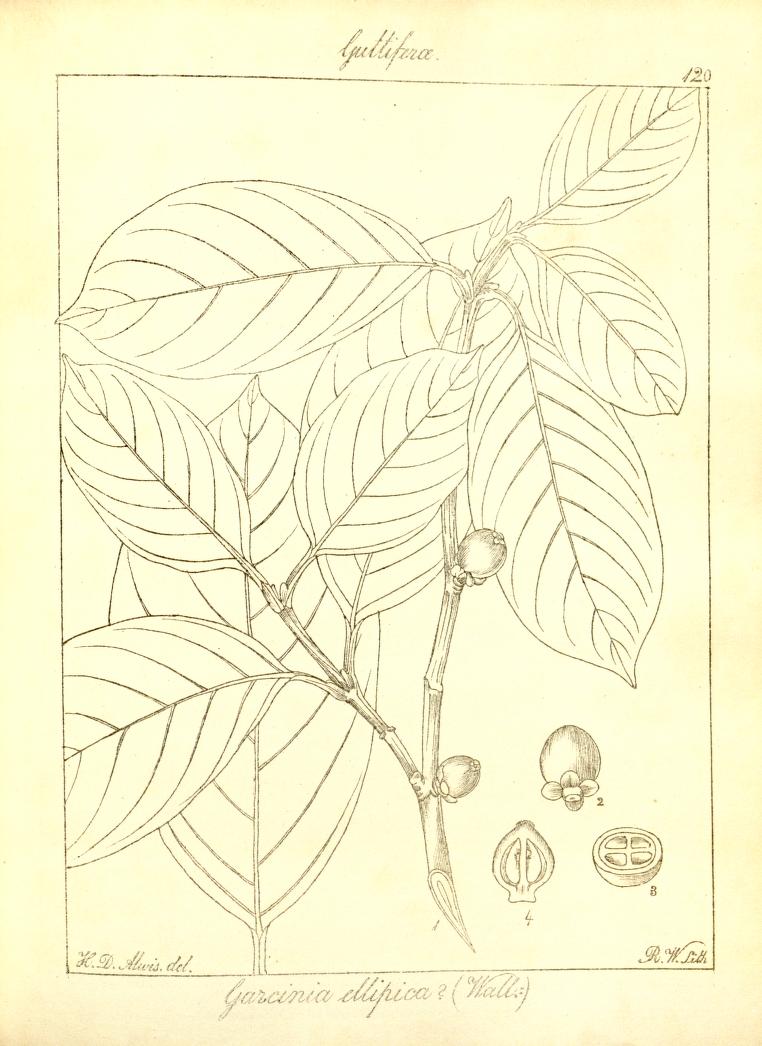
A tropical tree reaching 30 m high, native to West African forests including swamps and various forest types. It produces small fruits about 4 cm across with edible pulp.
Edible Uses
The fruit pulp is eaten raw. The bark is prepared as a tea.
Traditional Uses
The pulp of the fruit is eaten raw. The bark is used as a tea.
This uses section is brief — help expand it
Medicinal Uses
The bark is used as a tea.
Distribution
A tropical plant. It grows in forests in West Africa. It can grow in a range of forest types including swamps.
Where It Grows
Africa, Angola, Cameroon, Central Africa, Congo DR, Côte d'Ivoire, Ivory Coast, Liberia, Sierra Leone, West Africa,
Cultivation
A dioecious species, both male and female forms usually need to be grown if fruit and seed are required. At least some dioecious Garcinia species, however, are able to produce fertile seed even in the absence of fertilization (asexual reproduction). Such seeds would be expected to be genetically identical to the parent
Other Uses
The tree is much exploited as a source of chewsticks, which are used for cleaning the teeth and strengthening the gums. In Sierra Leone the wood is split to make chew-sticks, while the Ando of Ivory Coast use the twigs for that purpose. There appears to be no other recorded usage for the wood. There is a sticky yellow resin present in all parts of the tree. The timber is hard, heavy, tough, strong and coarse-textured.
Production
Fruit production is seasonal.
Notes
There are about 300 Garcinia species.
Synonyms
Also Known As
Alikpadjo, Chole, Ka woro, Londuho, Oluho, Otchuwo, Oue biliko, Siebe, Undandi
References (6)
- Burkill, H. M., 1985, The useful plants of west tropical Africa, Vol. 2. Kew.
- Jardin, C., 1970, List of Foods Used In Africa, FAO Nutrition Information Document Series No 2.p 139
- J. Linn. Soc., Bot. 37:86. 1905
- Termote, C., et al, 2011, Eating from the wild: Turumbu, Mbole and Bali traditional knowledge of non-cultivated edible plants, District Tshopo, DRCongo, Gen Resourc Crop Evol. 58:585-618
- Vivien, J., & Faure, J.J., 1996, Fruitiers Sauvages d'Afrique. Especes du Cameroun. CTA p
Show all 6 references Hide references
- World Checklist of Useful Plant Species 2020. Royal Botanic Gardens, Kew