Garcinia forbesii
King
Kandis
iNaturalist· cc-by-nc
(c) Riki Prayoga, some rights reserved (CC BY-NC), uploaded by Riki Prayoga
Summary
Source: WikipediaGarcinia forbesii, commonly known as the rose kandis or kandis, is a small to medium-sized tree in the family Clusiaceae (Guttiferae). The specific epithet (forbesii) honors Scottish naturalist Henry Ogg Forbes.
Description
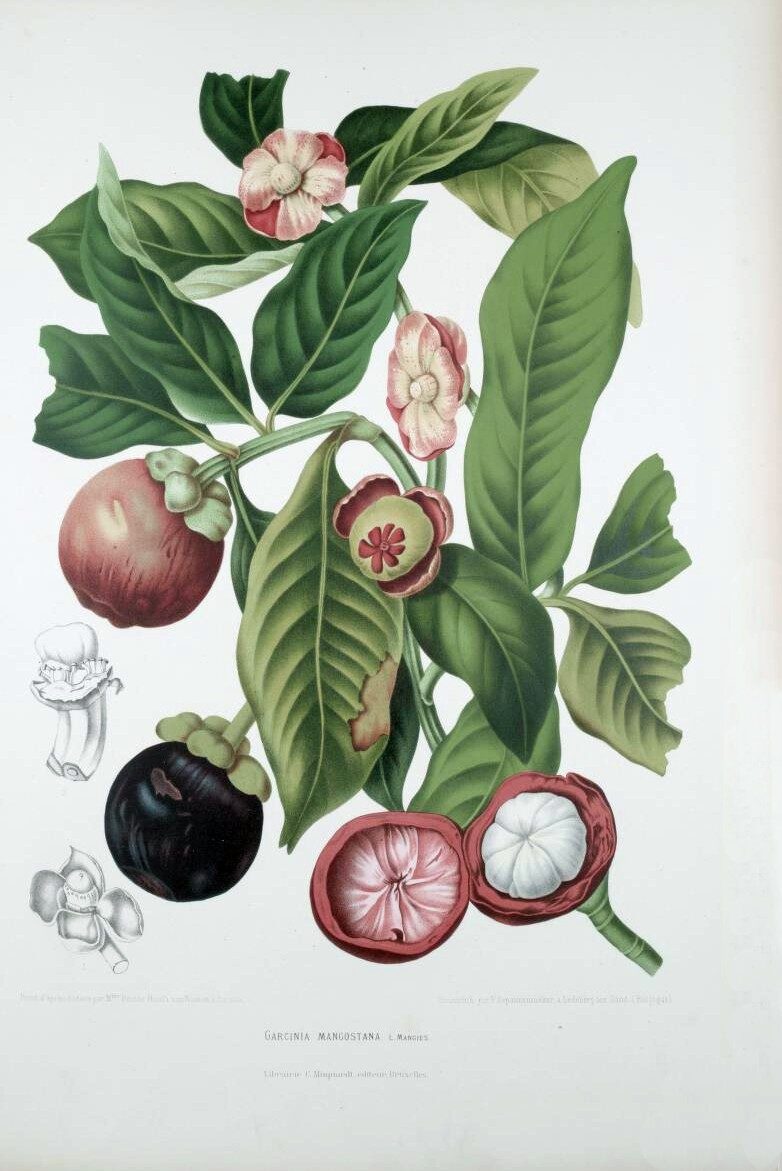
A small tree. The fruit have red skin. The flesh is white.
This description is brief — help expand it
Edible Uses
The fruit is sometimes gathered and eaten raw.
Distribution
A tropical plant.
Where It Grows
Asia, Indonesia, Malaysia, Sarawak, SE Asia,
Notes
There are about 300 Garcinia species.
Also Known As
Kundong, Mata lawid, Riaku ubpul
References (7)
- Burkill, I.H., 1966, A Dictionary of the Economic Products of the Malay Peninsula. Ministry of Agriculture and Cooperatives, Kuala Lumpur, Malaysia. Vol 1 (A-H) p 1066
- Chai, P. P. K. (Ed), et al, 2000, A checklist of Flora, Fauna, Food and Medicinal Plants. Lanjak Entimau Wildlife Sanctuary, Sarawak. Forestry Malaysia & ITTO. p 166
- Chai, P.P.K., 2000, Development of the Lanjak Entimau Wild life sanctuary. Final report. ITTO and Sarawak Forestry. p 29
- Hoare, A., 2003, Food use of the Lundayeh SW Sabah. Borneo Research Council.
- J. Asiat. Soc. Bengal, Pt. 2, Nat. Hist. 59(2):162. 1890
Show all 7 references Hide references
- Saw, L.G., LaFrankie, J. V. Kochummen, K. M., Yap S. K., 1991, Fruit Trees in a Malaysian Rain Forest. Economic Botany, Vol. 45, No. 1, pp. 120-136
- Tankard, G., 1990, Tropical fruit. An Australian Guide to Growing and using exotic fruit. Viking p 131