Garcinia nigrolineata
Planch. ex T. Anderson
Beaked kandis, Black mangosteen
iNaturalist· cc-by-nc-sa
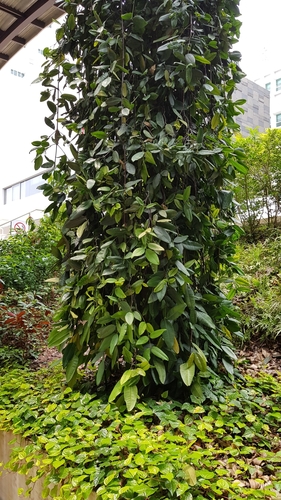
(c) 106611639464075912591, some rights reserved (CC BY-NC-SA), uploaded by 106611639464075912591
iNaturalist· cc-by-nc
(c) Rafidah Abdul Rahman, some rights reserved (CC BY-NC)
iNaturalist· cc-by-nc
(c) Rafidah Abdul Rahman, some rights reserved (CC BY-NC)
Summary
Source: WikipediaGarcinia nigrolineata has been called "wild beaked Kandis" (from the Malay name – see below) and is a tree species in the family Clusiaceae. The Catalogue of Life lists no subspecies.
Description
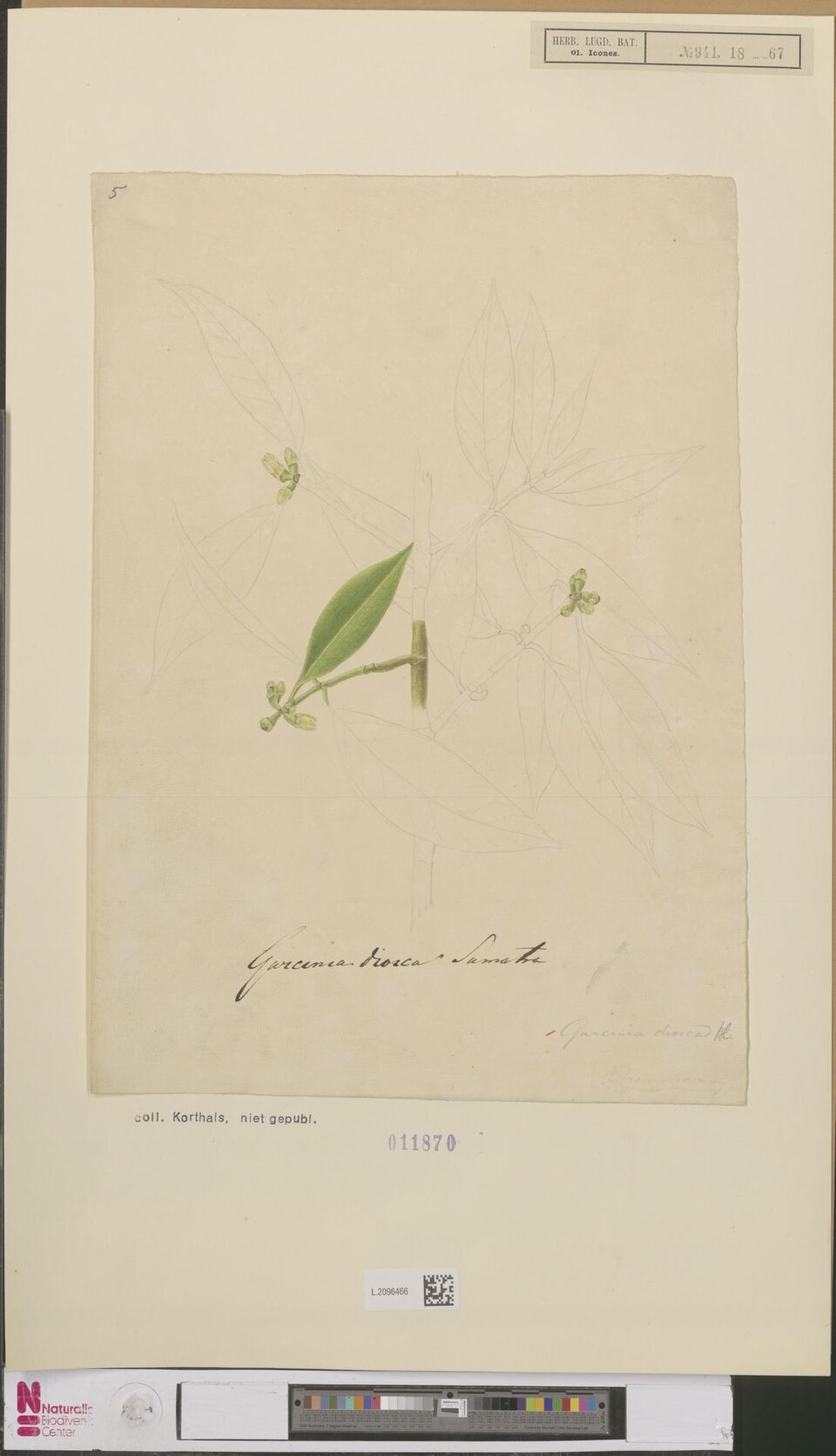
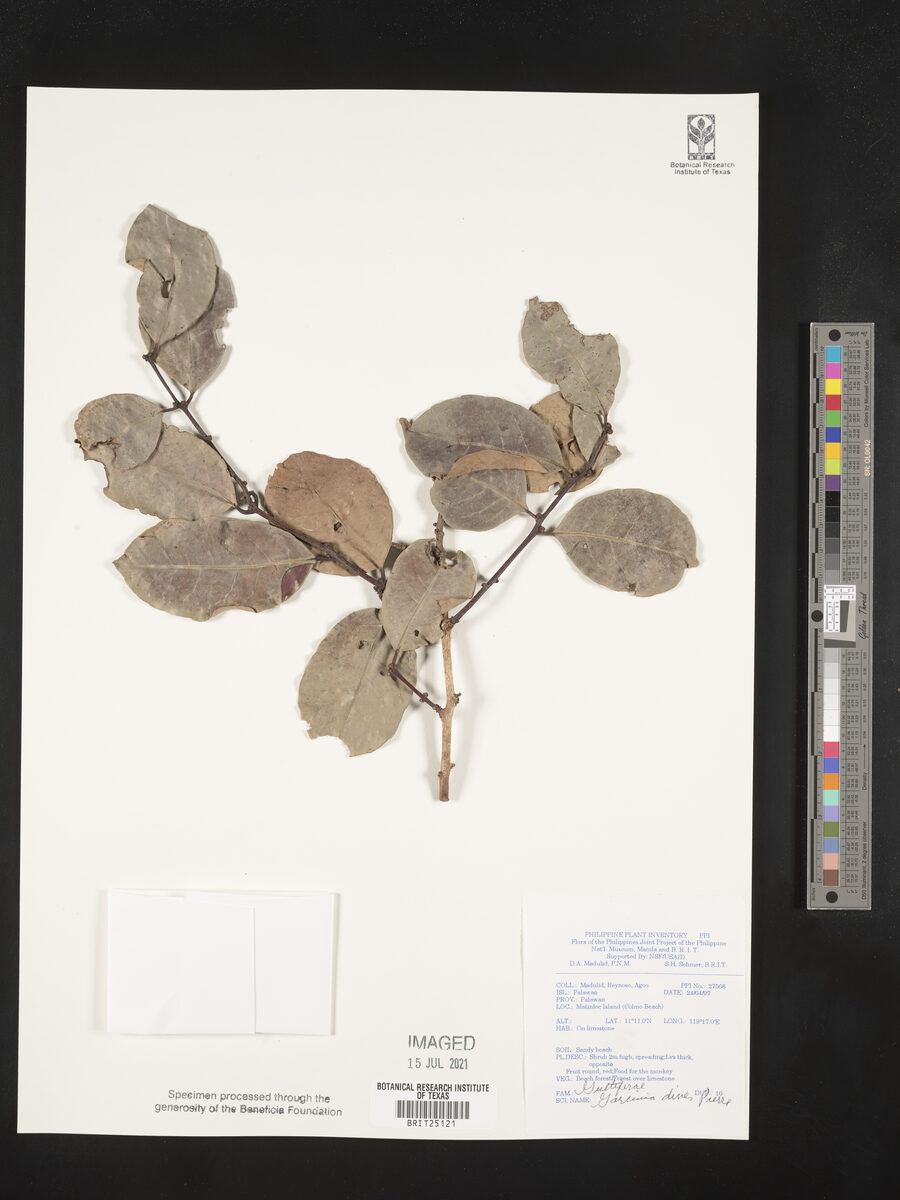
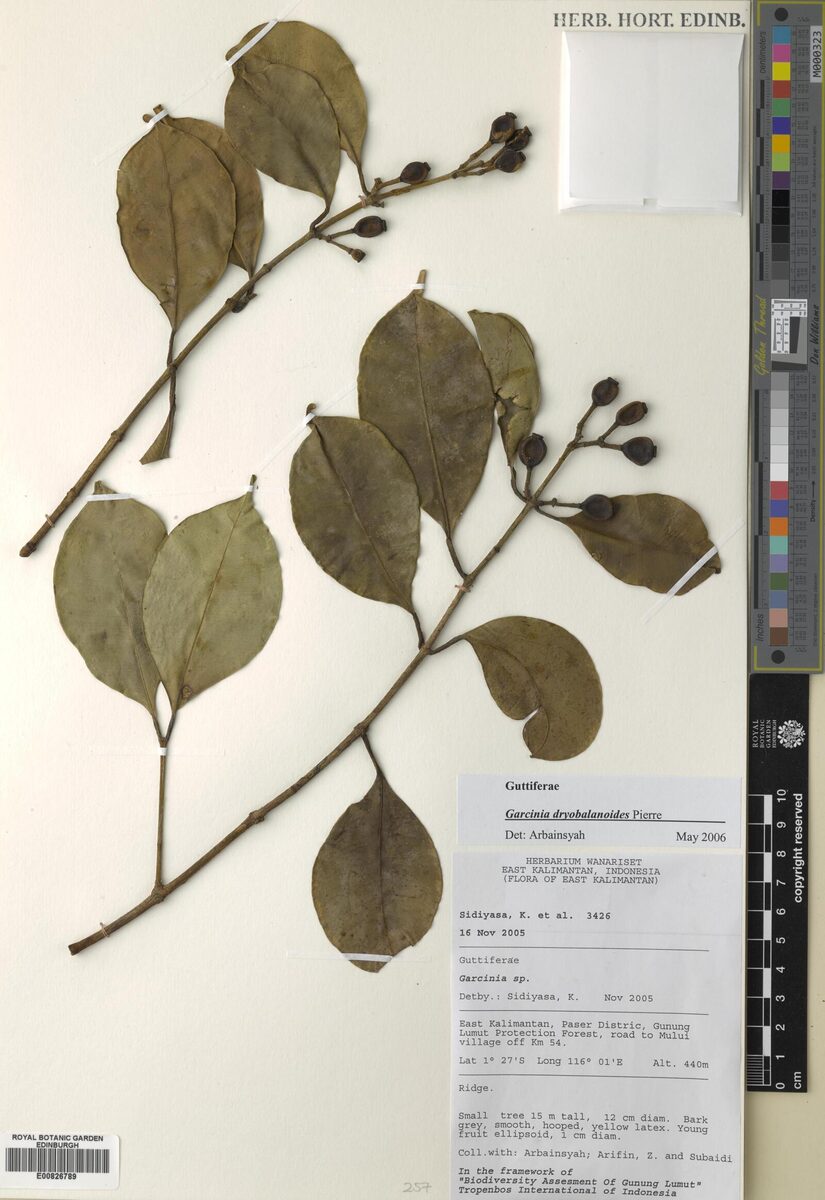
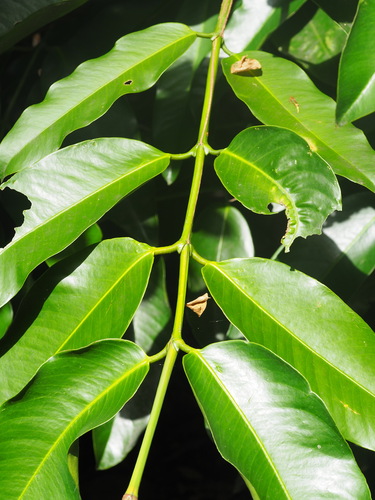
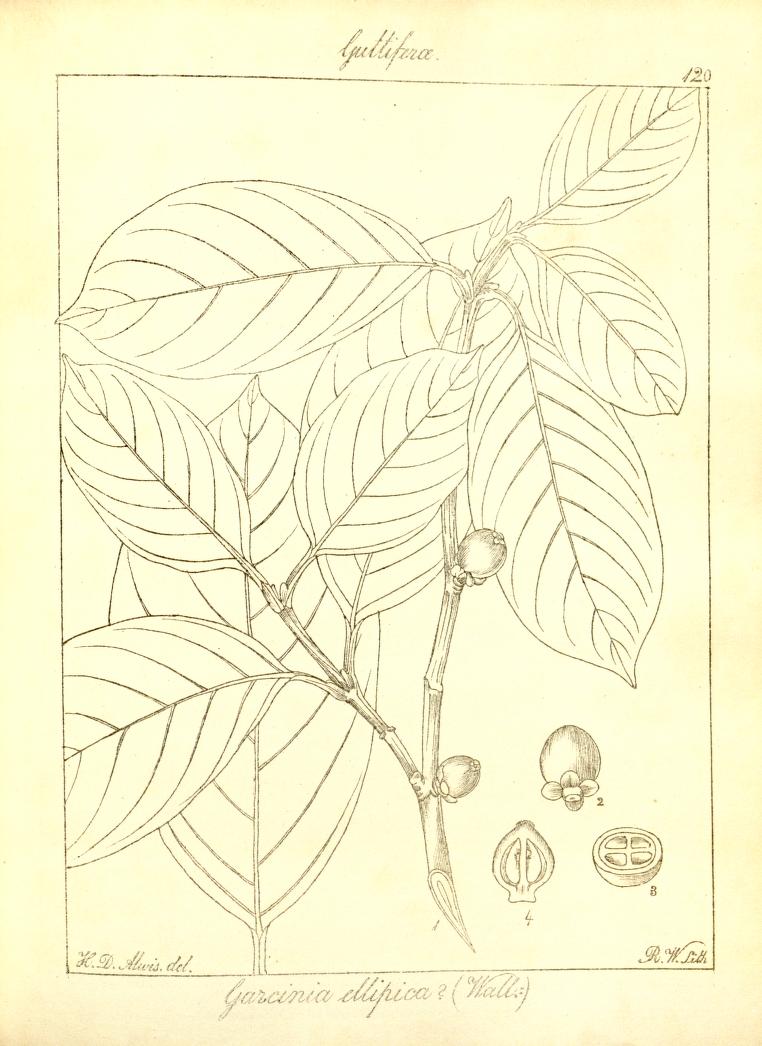
An evergreen tree. It grows 20 m tall. It has dark bark. The latex is yellow. The leaves are opposite and narrowly oblong. The leaf stalks clasp the twigs. The fruit are 2-3 cm across. The flowers are small. The fruit are oval and orange coloured. They are 3-4 cm long. They are slightly skewed and have ridges.
Edible Uses
Fruit - delicious. The pulp is sweet and agreeable. The oval, orange-coloured fruit is 3 - 4cm long.
Traditional Uses
The fruit are eaten.
This uses section is brief — help expand it
Distribution
A tropical plant. It grows up to 1,850 m above sea level.
Where It Grows
Asia, India, Indochina, Indonesia, Malaysia, Myanmar, SE Asia, Singapore, Thailand, Vietnam,
Cultivation
Plants can be grown from seeds.
Propagation
Seed - we have no specific information on this species, but the seed of most members of the genus can be slow to germinate, even if sown fresh, often taking 6 months or more.
Other Uses
The plant is sometimes used as a rootstock for the mangosteen, Garcinia mangostana.
Other Information
The fruit are enjoyed.
Notes
There are about 300 Garcinia species.
Synonyms
Also Known As
Asam puyoh, Bua landen, Bue balei, Kandis burong, Kandis gajah, Kandis gajah, Kandis hutan, Kandis jantan, Ludai, Manggis hutan, Peralih, Pohon manggis hitam, Sampang paya, Tulang-tulang
References (10)
- Burkill, I.H., 1966, A Dictionary of the Economic Products of the Malay Peninsula. Ministry of Agriculture and Cooperatives, Kuala Lumpur, Malaysia. Vol 1 (A-H) p 1073
- Giesen, W., 2013, Paludiculture: sustainable alternatives on degraded peat land in Indonesia (revised draft)
- J. D. Hooker, Fl. British India 1:263. 1874
- Owen, S., 1993, Indonesian Food and Cookery, INDIRA reprints. p 47
- PROSEA (Plant Resources of South East Asia) handbook, Volume 2, 1991, Edible fruits and nut. p 177
Show all 10 references Hide references
- Saw, L.G., LaFrankie, J. V. Kochummen, K. M., Yap S. K., 1991, Fruit Trees in a Malaysian Rain Forest. Economic Botany, Vol. 45, No. 1, pp. 120-136
- Sukarya, D. G., (Ed.) 2013, 3,500 Plant Species of the Botanic Gardens of Indonesia. LIPI p 301
- Suwardi, A. B., et al, 2020, Wild edible fruits generate substantial income for local people of the Gunung Leuser National Park, Aceh Tamiang Region. Ethnobotany Research & Applications 20:11
- Uji, T., 2007, Keanekaragaman, Persebaran dan Potensi Jenis-jenis Garcinia. Berk. Penel. Hayati: 12 (129–135), 2007
- World Checklist of Useful Plant Species 2020. Royal Botanic Gardens, Kew