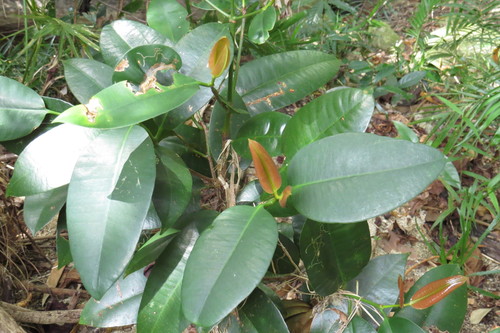
Garcinia mlanjiensis
Dunkley
gbif· cc-by
Royal Botanic Gardens, Kew
gbif· cc-by
Royal Botanic Gardens, Kew
gbif· cc-by
Royal Botanic Gardens, Kew
Description
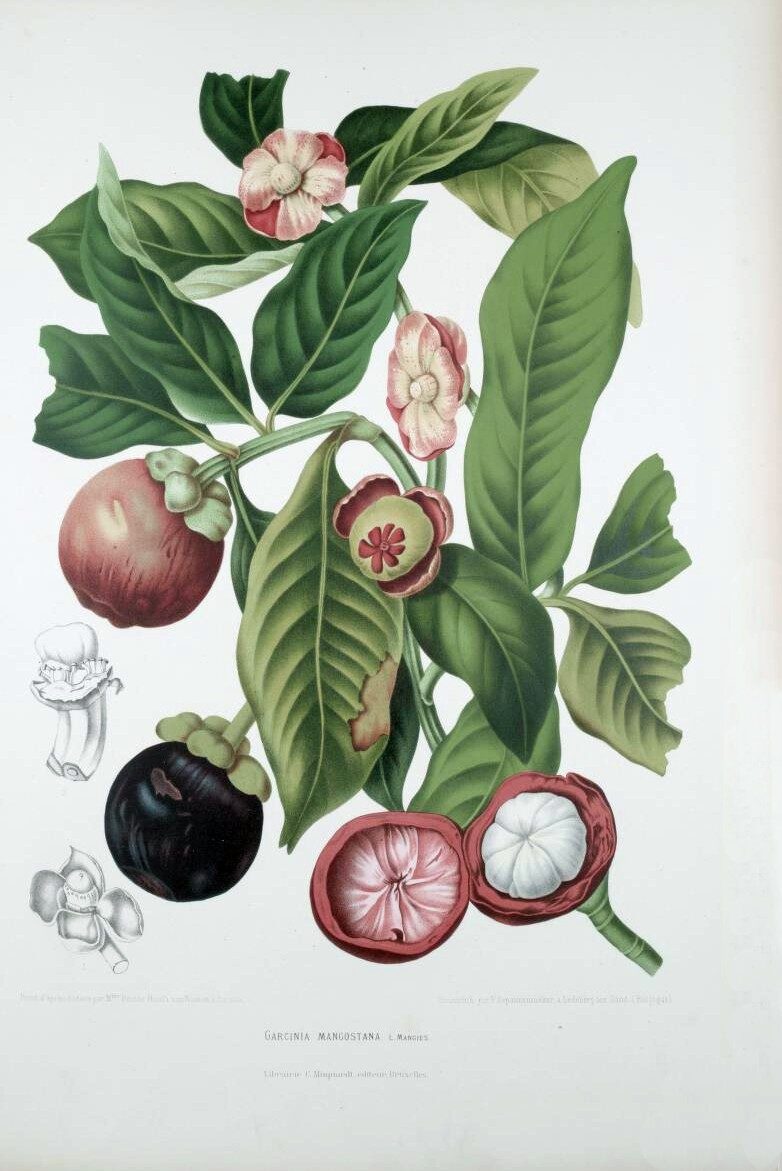
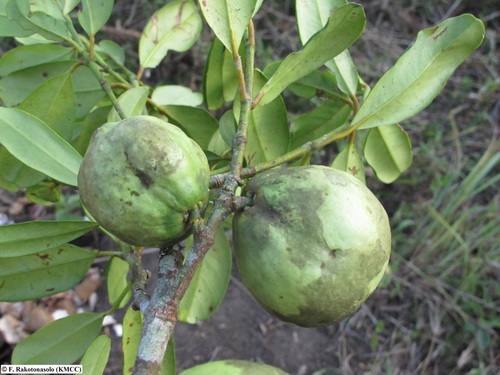
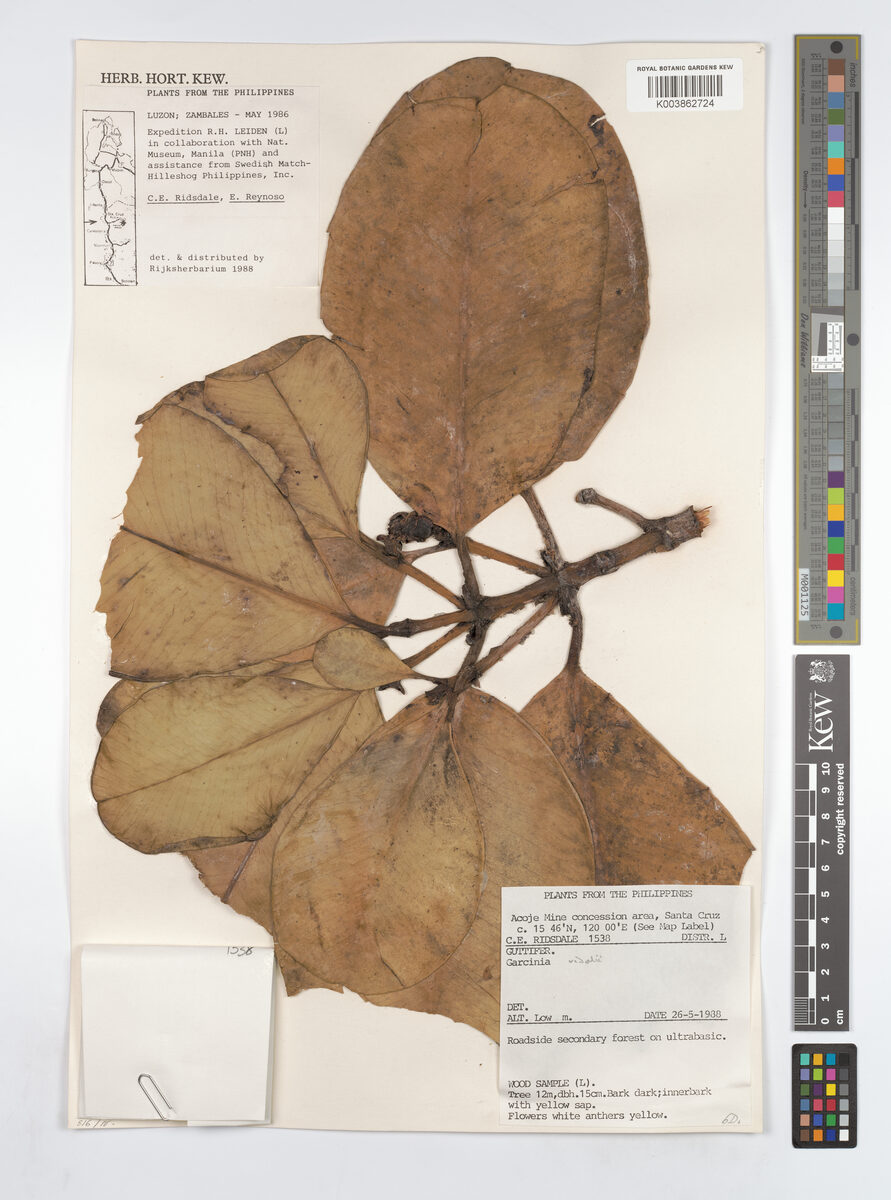
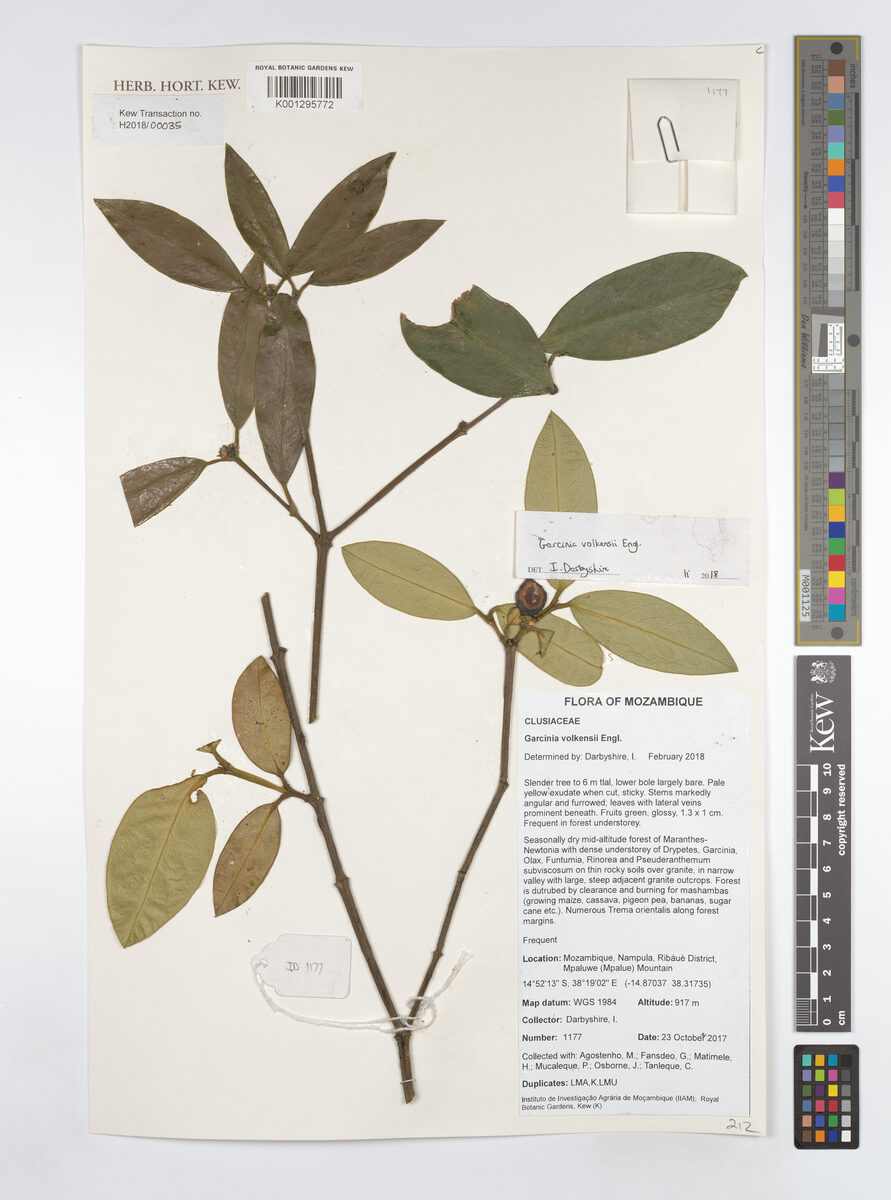
A shrub or large tree. It can grow 3-15 or more m high. The branches have a groove along them when young. The leaves are opposite and leathery. The leaf blade is 6-16 cm long by 3-6 cm wide. They are narrowly oval. They are blue-green above and more pale underneath. The flowers are in groups of 2-7 in the axils of older leaves. Flowers can be male and female or have both sexes. The fruit is a berry 1-2.5 cm across. It turns orange-yellow when ripe. There are 1-2 seeds. Seeds are 1 cm long.
Edible Uses
The fruit are eaten.
Distribution
A tropical plant. It grows as an understorey tree in the evergreen rain-forest. It grows between 1,350-2,100 m above sea level.
Where It Grows
Africa, East Africa, Malawi, Mozambique, South Africa, Southern Africa, Tanzania, Zambia, Zimbabwe,
Notes
There are about 300 Garcinia species. An unresolved name in The Plant List.
References (1)
- Jardin, C., 1970, List of Foods Used In Africa, FAO Nutrition Information Document Series No 2.p 139