Garcinia indica
(Thouars) Choisy
Kokam Butter, Goa butter
iNaturalist· cc-by-nc
(c) Rujuta Vinod, some rights reserved (CC BY-NC), uploaded by Rujuta Vinod
iNaturalist· cc-by-sa
(c) Dinesh Valke, some rights reserved (CC BY-SA)
iNaturalist· cc-by-sa
(c) Dinesh Valke, some rights reserved (CC BY-SA)
Summary
Source: WikipediaGarcinia indica, a plant in the mangosteen family (Clusiaceae), commonly known as kokum, is a fruit-bearing tree that has culinary, pharmaceutical, and industrial uses. It grows primarily in India's Western Ghats: in the states of Maharashtra, Goa, Karnataka and Kerala. It is considered as an endemic species to the Western Ghats and forests in India.
Description
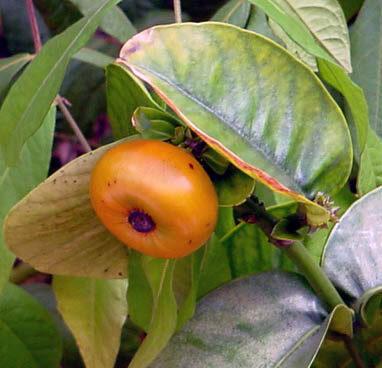
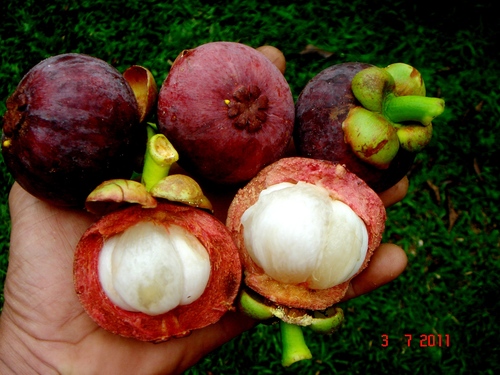
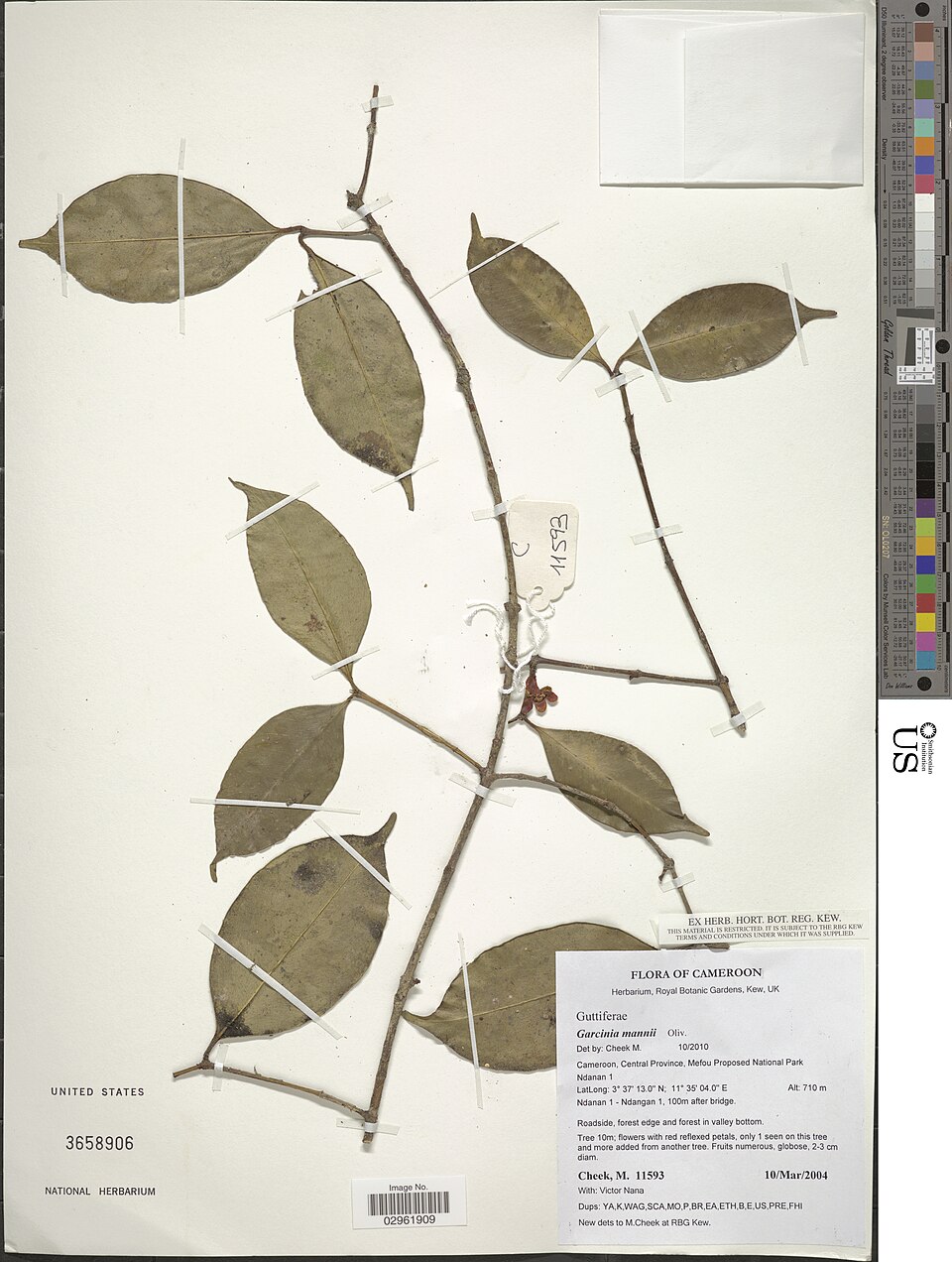
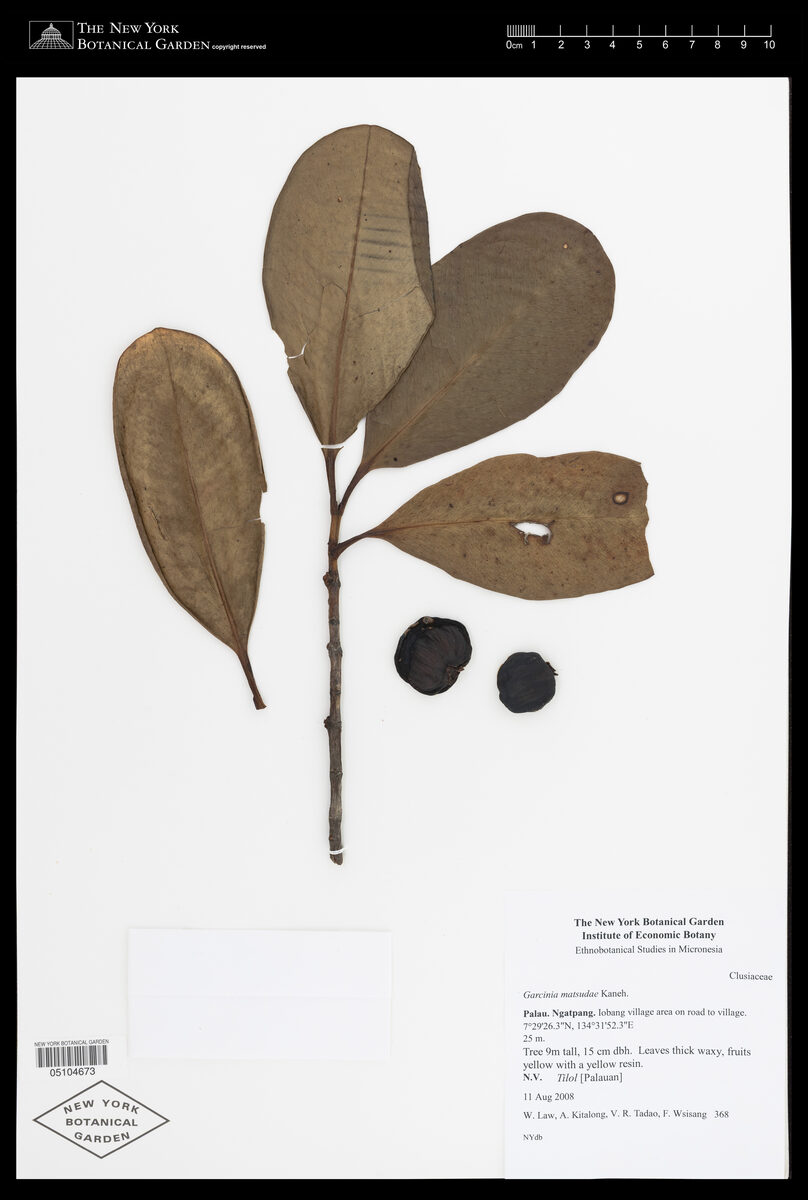
A slender tree. It grows 15 m high. The branches droop. The tree often has buttresses. The leaves are oval and red when young but become light green. They are 5-10 cm long. They are sword shaped and almost without a leaf stalk. They have 6-10 pairs of side veins. The flowers are small. The male flowers are in groups of 3-7 at the ends of branches. Flowers with both sexes occur singly. The fruit are round. The fruit are 2.5-4 cm across and dark purple when ripe. The seeds are embedded in a red acid pulp. There are 5-8 large seeds.
Edible Uses
The outer cover of fruit is dried in the sun to get aamsul or kokam. It is used as a souring agent typically in Maharashtra, Assam, Karnataka, Goa, Gujarat. Kokum yields a distinctive flavour and deep-red colour. As a souring agent, it is used as an alternative to tamarind in curries and other dishes from south India. It is also used in cuisine from Gujarat, where it is frequently used to add flavor and tartness to dal (lentil soup) for flavor balance. It is extensively used in Assamese cuisine in many dishes like masor tenga (sour fish curry) and tenga dali (sour dal). The fresh fruit is preserved with sugar to make bright-red squash that is diluted with water and bottled for sale as a beverage called Kokum Sarbat. The extract of the fruit is called aagul in Konkani and Marathi. It is added during the preparation of solkadhi, which may also include coconut milk, coriander and garlic.
Traditional Uses
The fruit is dried and used for flavouring curries. It is used in jellies and syrups. They can also be eaten raw. The fat of the seeds is extracted and used as a butter substitute called Kokam. Kokam is used as a souring agent like tamarind. The fruit is eaten and used for drinks. The fruit peel is used as a spice.
Medicinal Uses
The oily extract called Kukum butter is used in ointments and suppositories. It has application in skin and hair products, acne products and skin tonics. The rind of the fruit is a good source of hydroxycitric acid which has been claimed to modify lipid metabolism.
Distribution
It is a tropical tree. It grows in Karnataka, Maharastra, the Western Ghats of Kerala, West Bengal and Assam. It grows up to 800 m above sea level.
Where It Grows
Asia, Colombia, India, Mauritius, Northeastern India, Reunion, South America, West Indies,
Cultivation
It is difficult to propagate. It can be grown from seed.
Propagation
Seed - we have no specific information on this species, but the seed of most members of the genus can be slow to germinate, even if sown fresh, often taking 6 months or more.
Other Uses
The seed contains 23 - 26% oil, which remains solid at room temperature. It is used in the preparation of confectionery, medicines and cosmetics. A thick, usually resinous latex is obtained from the bark, branches and fruits. An extract of the fruit is used as an ingredient in commercial cosmetic preparations as a humectant. The fatty oil obtained from the seeds s is used as an ingredient in commercial cosmetic preparations as a skin conditioner. The greyish-white wood is hard.
Production
The fruit are harvested when ripe. The rind is used. It is preserved by drying in the sun. In southern India fruit are available November to February.
Other Information
The dried fruit are sold in markets. It is a cultivated plant.
Notes
There are about 300 Garcinia species. The fruit are anti-oxidant. Other products such as skin care products are being developed.
Synonyms
Also Known As
Amsol, Baddupuli, Bhinda, Bhiran, Bhirand, Brindonia tallow tree, Cocum, Conca, Katambi, Kokam, Kokan, Kokum, Komkabi, Mangosteen oil tree, Murgal, Murgala, Punampuli, Ratamba, Sentola tilaba, Vishambil
References (27)
- Ambasta, S.P. (Ed.), 2000, The Useful Plants of India. CSIR India. p 230
- Arora, R. K., 2014, Diversity in Underutilized Plant Species - An Asia-Pacific Perspective. Bioversity International. p 73
- Burkill, I.H., 1966, A Dictionary of the Economic Products of the Malay Peninsula. Ministry of Agriculture and Cooperatives, Kuala Lumpur, Malaysia. Vol 1 (A-H) p 1063
- A. P. de Candolle, Prodr. 1:561. 1824
- Dobriyal, M. J. R. & Dobriyal, R., 2014, Non Wood Forest Produce an Option for Ethnic Food and Nutritional Security in India. Int. J. of Usuf. Mngt. 15(1):17-37
Show all 27 references Hide references
- Facciola, S., 1998, Cornucopia 2: a Source Book of Edible Plants. Kampong Publications, p 79
- Flowerdew, B., 2000, Complete Fruit Book. Kyle Cathie Ltd., London. p 161
- Hedrick, U.P., 1919, (Ed.), Sturtevant's edible plants of the world. p 323
- Hemphill, I, 2002, Spice Notes. Macmillan. p 215
- Jadhav, R., et al, 2015, Forest Foods of Northern Western Ghats: Mode of Consumption, Nutrition and Availability. Asian Agri-History Vol. 19, No. 4: 293-317
- Jadhav, V. D. et al, 2011, Documentation and ethnobotanical survey of wild edible plants from Kolhapur district. Recent Research in Science and Technology. 3(12): 58-63
- Mahadkar, S., Valvi, S. & Rathod, V., 2012, Nutritional assessment of some selected wild edible plants as a good source of mineral. Asian Journal of Plant Science and Research 2(4):468-472
- Menninger, E.A., 1977, Edible Nuts of the World. Horticultural Books. Florida p 46
- Mozhui, R., et al, 2011, Wild edible fruits used by the tribals of Dimapur district of Nagaland, India. Pleione 5(1): 56 - 64.
- Ravikrishna, S., 2011, Ethno-medico-botanical survey on Wild Edible fruits of Udupi Taluq, Udupi p 75
- Sahni, K.C., 2000, The Book of Indian Trees. Bombay Natural History Society. Oxford. p 25
- Seidemann J., 2005, World Spice Plants. Economic Usage, Botany, Taxonomy. Springer. p 162
- Singh, H.B., Arora R.K.,1978, Wild edible Plants of India. Indian Council of Agricultural Research, New Delhi. p 61, 76
- Singh, V. B., et al, (Ed.) Horticulture for Sustainable Income and Environmental Protection. Vol. 1 p 217
- Tyagi, R. K., et al, 2004, Conservation of Spices Germplasm in India. Indian J. Plant Genet. Resour. 17(3): 163-174
- Ulian, T., et al, 2020, Unlocking plant resources to support food security and promote sustainable agriculture. Plants, People, Planet. 2020;2:421–445.
- USDA, ARS, National Genetic Resources Program. Germplasm Resources Information Network - (GRIN). [Online Database] National Germplasm Resources Laboratory, Beltsville, Maryland. Available: www.ars-grin.gov/cgi-bin/npgs/html/econ.pl (10 April 2000)
- van Wyk, B., 2005, Food Plants of the World. An illustrated guide. Timber press. p 199
- Wickens, G.E., 1995, Edible Nuts. FAO Non-wood forest products. FAO, Rome. p 131
- Wiersema, J. H. & Leon, B., 2013, World Economic Plants. A Standard Reference CRC Press. 2nd Ed. p 317
- World Checklist of Useful Plant Species 2020. Royal Botanic Gardens, Kew
- Zeven, A. C. & de West, J. M. J., 1982, Dictionary of cultivated plants and their regions of diversity. Wageningen. p 56, 75