Calophyllum pulcherrimum
Wall. ex Choisy
iNaturalist· cc-by-nc-sa
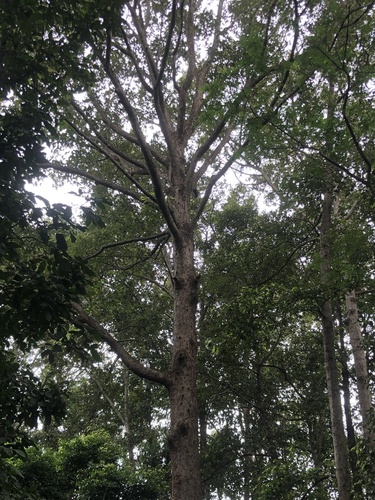
(c) Reuben C. J. Lim, some rights reserved (CC BY-NC-SA)
iNaturalist· cc-by-nc-sa
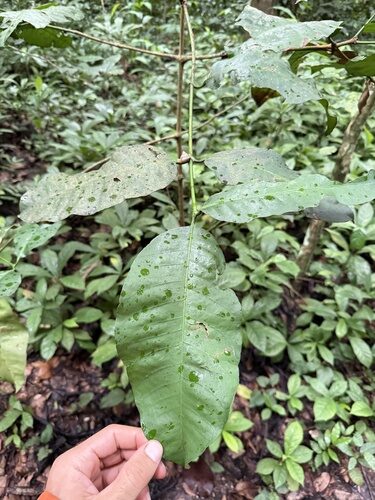
(c) Reuben C. J. Lim, some rights reserved (CC BY-NC-SA)
iNaturalist· cc-by
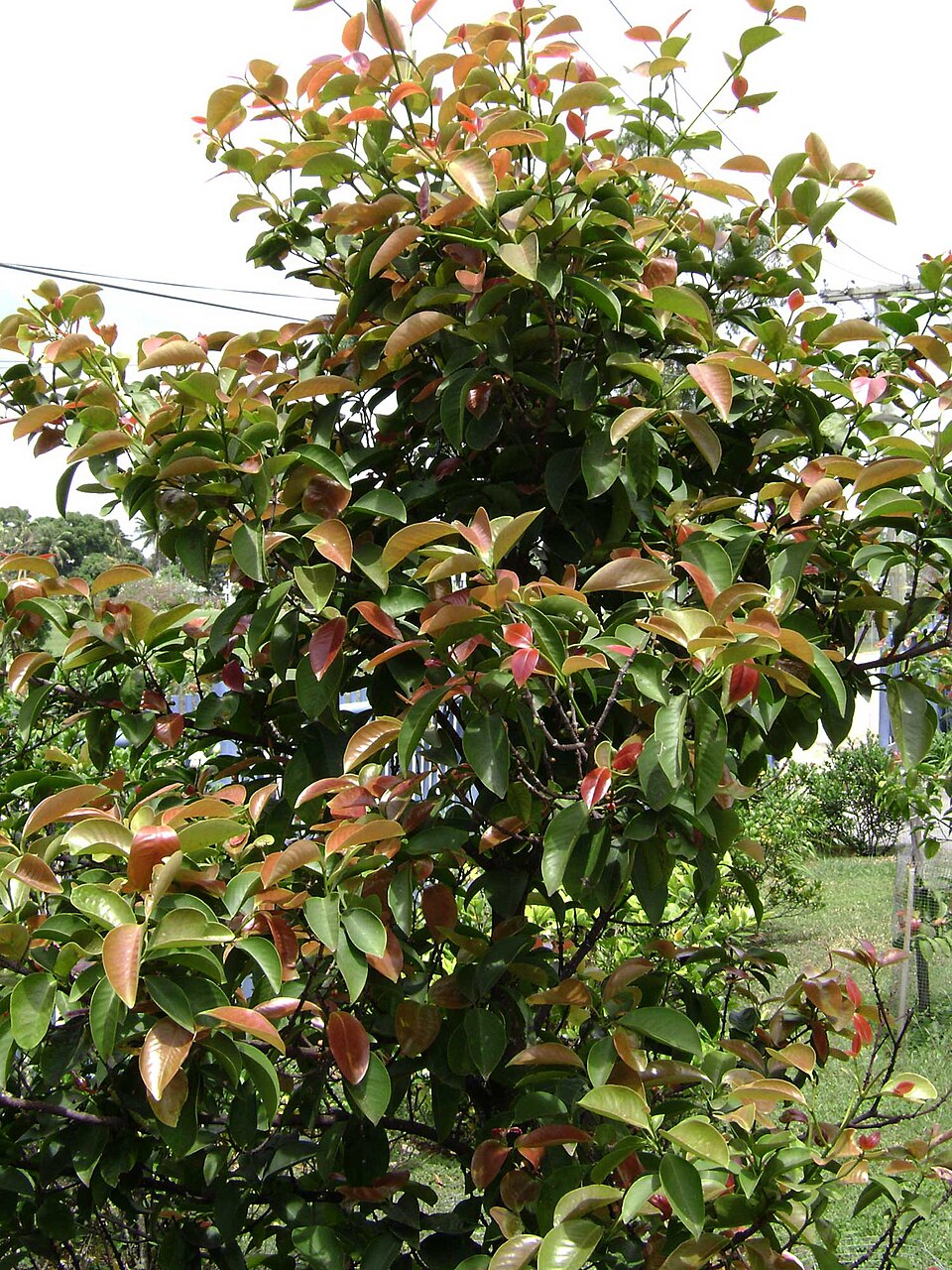
(c) pbsg, some rights reserved (CC BY), uploaded by pbsg
Description
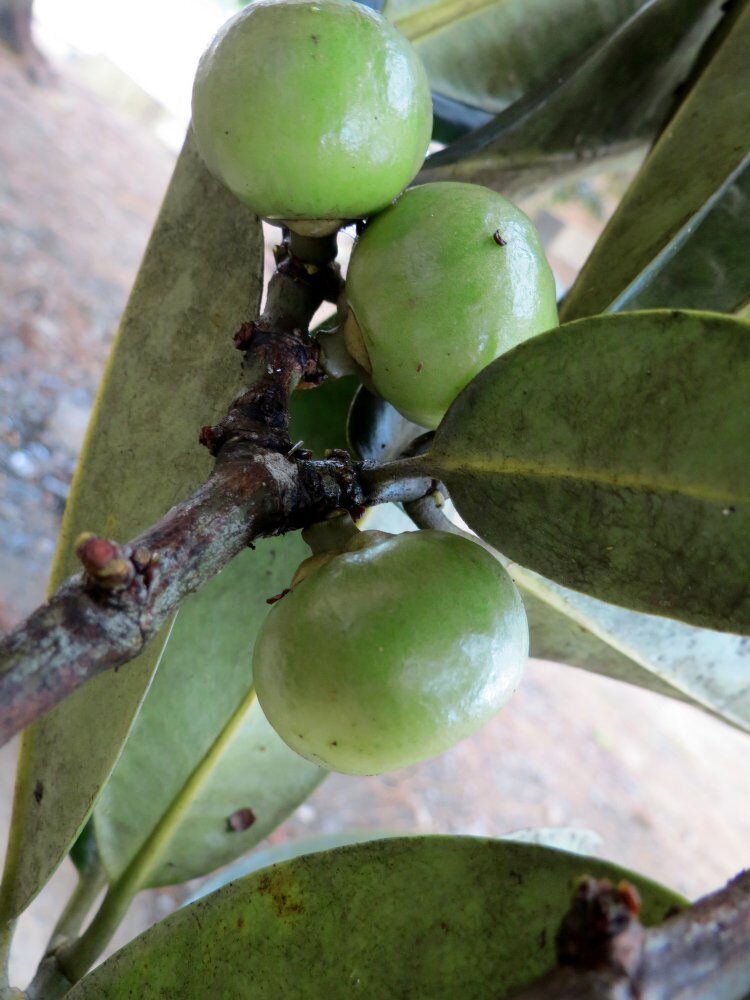
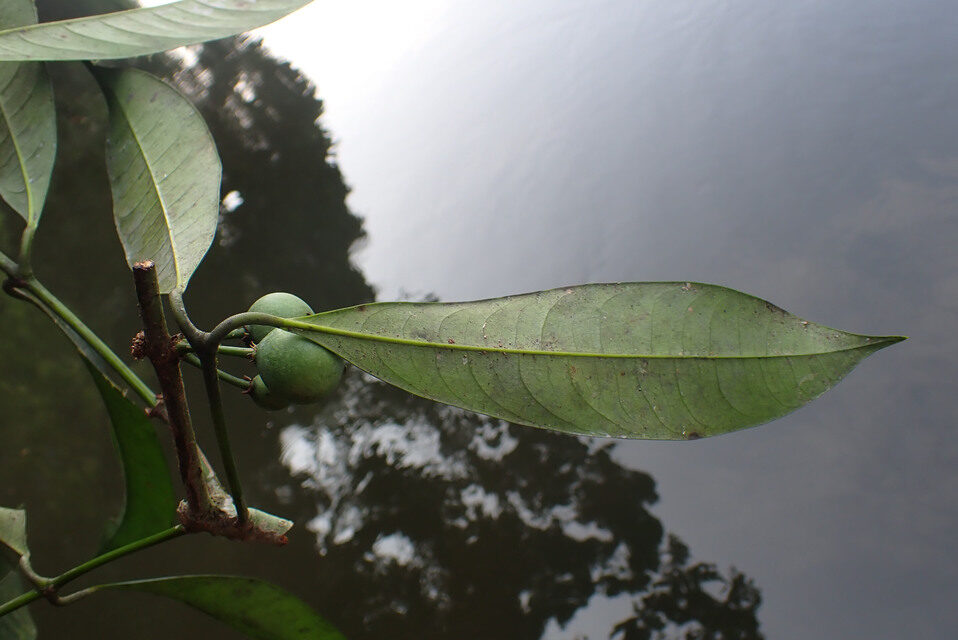
A tall straight tree. It grows 30 m high. The stem has white to yellow latex. The leaves are sword shaped. They are opposite and simple. The leaves are whitish underneath. The flowers are 1 cm across. They are white. The fruit are about 14 mm across and green and fleshy.
Edible Uses
The sour fruit are eaten.
Traditional Uses
The sour fruit are eaten.
This uses section is brief — help expand it
Distribution
A tropical plant. It grows in forests up to 700 m above sea level.
Where It Grows
Asia, Cambodia, Indochina, Indonesia, Malaysia, SE Asia, Singapore,
Cultivation
The plant flowers all year round. The flowers are scented and are sometimes foetid.
Other Uses
A latex obtained from the tree is used locally as a lamp oil. The wood is used for construction, poles, masts and similar objects.
Notes
There are about 187-200 Calophyllum species. They are evergreen trees of the tropics.
Synonyms
Also Known As
Bentangur batu, Bentangur besar, Bentangur bukit, Bintangur padi, Mentangur bunga, Mentangur perit, Pandis, Trehir
References (8)
- Bircher, A. G. & Bircher, W. H., 2000, Encyclopedia of Fruit Trees and Edible Flowering Plants in Egypt and the Subtropics. AUC Press. p 74
- Burkill, I.H., 1966, A Dictionary of the Economic Products of the Malay Peninsula. Ministry of Agriculture and Cooperatives, Kuala Lumpur, Malaysia. Vol 1 (A-H) p 416
- Descr. Guttif. Inde 41. 1849
- Heyne. K.,
- Milow, P., et al, 2013, Malaysian species of plants with edible fruits or seeds and their evaluation. International Journal of Fruit Science. 14:1, 1-27
Show all 8 references Hide references
- Slik, F., www.asianplant.net
- Soerianegara, I. & Lemmens, R. H. M. L., (Eds.) 1993, Timber trees: Major commercial timbers. Plant Resources of South-East Asia. Wageningen. No. 5(1). p 128
- World Checklist of Useful Plant Species 2020. Royal Botanic Gardens, Kew