Foeniculum vulgare
Miller
Fennel, Common fennel
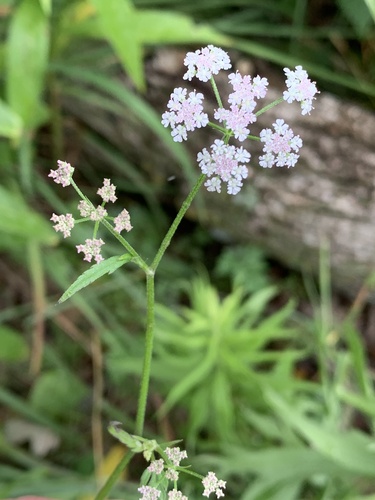
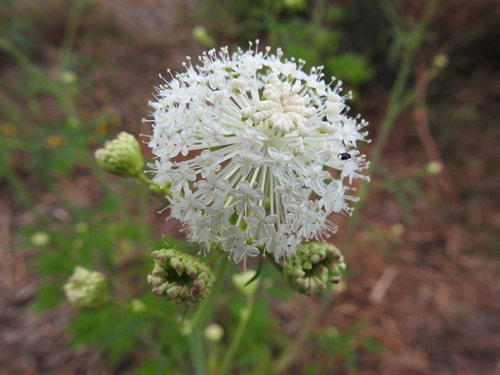
iNaturalist· cc-by-nc
(c) Jose Rui Santos, some rights reserved (CC BY-NC)
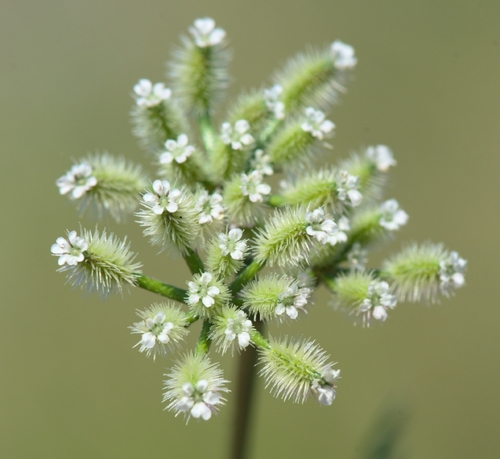
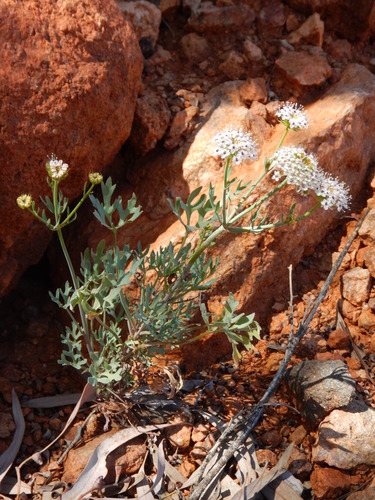
iNaturalist· cc-by-nc
(c) dinomih, some rights reserved (CC BY-NC)
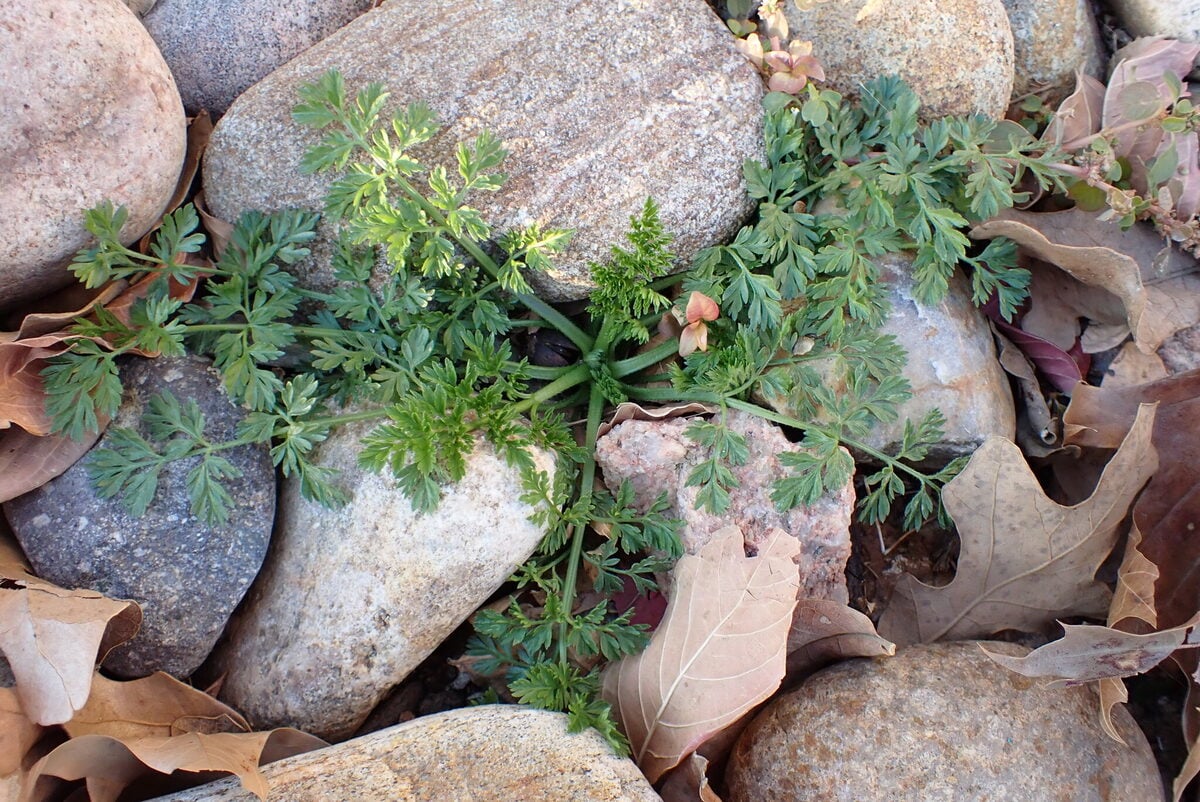
iNaturalist· cc-by-nc
(c) Damon Tighe, some rights reserved (CC BY-NC)
Summary
Source: WikipediaFoeniculum vulgare is an evergreen perennial growing to 1.5 meters tall by 1 meter wide at a medium rate. Hardy to UK zone 5, not frost tender, and in leaf year-round. Flowers from August to October with seed ripening September to October. Hermaphroditic and self-fertile, noted for attracting wildlife. Tolerates light sandy, medium loamy, and heavy clay soils preferring well-drained conditions across mildly acidic to mildly alkaline pH ranges. Requires full sun, prefers dry or moist soil, tolerates drought and strong winds but not maritime exposure.
Description
A green leafy perennial herb. It can be 2 m high and 45 cm wide. The leaves are very fine. They have a feathery appearance. The stems are ribbed and at the bottom of the stalks there is a broad green section. When the leaves are crushed, they smell like aniseed. The flower at the top is a group of small yellow flowers. The seeds are oval and ribbed and about 5 mm long. Ripe fruit are wingless which distinguishes it from dill. There are several named cultivated varieties.
Edible Uses
Almost every part of fennel is edible and useful in the kitchen. The leaves can be eaten raw or cooked, offering a delicious aniseed flavour — young leaves are best, as older ones turn tough. They work well as a garnish or salad ingredient and help improve digestion, making them especially good alongside oily foods. Though the leaves don't dry well, they can often be harvested year-round from plants in a warm, sheltered spot. Leaf stalks and flower heads share the same aniseed character and can also be eaten raw or cooked. The aromatic seeds are used to flavour cakes, bread, and stuffings, and sprouted seeds make a good addition to salads. An essential oil extracted from fully ripened, dried seeds serves as a food flavouring much like the whole seeds. The root is edible when cooked and has a somewhat parsnip-like quality. Both leaves and seeds can be brewed into a pleasant herbal tea.
Traditional Uses
The top leaves can be boiled and eaten as a flavouring. The young tender central portion and the leaf bases can be chopped and eaten. The root can be cooked and eaten. (It is used in medicine) The seeds can be used as a flavouring. They are used to flavour bread and cakes and in stuffings. It is used in sauces, sausages, stews and salads.
Medicinal Uses
Fennel has a long history of herbal use and is a well-established household remedy, particularly for digestive complaints. The seeds, leaves, and roots all have medicinal value, but the seeds are the most active and most commonly used part. An essential oil extracted from fully ripened, dried seeds is also used medicinally, though it should not be given to pregnant women. The plant is analgesic, anti-inflammatory, antispasmodic, aromatic, carminative, diuretic, emmenagogue, expectorant, galactogogue, hallucinogenic, laxative, stimulant, and stomachic. An infusion treats indigestion, abdominal distension, and stomach pains, and helps with kidney stones; combined with a urinary disinfectant such as Arctostaphylos uva-ursi, it makes an effective treatment for cystitis. The infusion can also be used as a gargle for sore throats or as an eyewash for sore eyes and conjunctivitis. Fennel is frequently added to purgatives to reduce griping and improve flavour. An infusion of the seeds is considered a safe and effective remedy for wind in babies. An infusion of the root treats urinary disorders. The seed's essential oil is used in aromatherapy, where its keyword is 'Normalising'; it is bactericidal, carminative, and stimulant. Some caution is advised regarding toxicity. The German Commission E Monographs approve fennel for cough, bronchitis, and dyspeptic complaints.
Known Hazards
Skin contact with the sap or essential oil is said to cause photo-sensitivity and/or dermatitis in some people. Ingestion of the oil can cause vomiting, seizures and pulmonary oedema. Avoid for small children. Avoid if cirrhosis/liver disorders. Diabetics check sugar content of preparation.
Distribution
A temperate plant. It grows well in a Mediterranean climate. It grows well on dry and stony calcareous soils. It grows up to at least 2200 m altitude in the tropics. It grows better during the drier season at altitudes over 500 m. In PNG is grows between 1,400-2,200 m above sea level. It is cultivated but also easily grows wild. It is frost hardy. It grows in Nepal to about 2400 m altitude. In Argentina it grows from sea level to 1,000 m above sea level. It suits hardiness zones 5-10. Tasmania Herbarium. In Hobart Botanical gardens. In Yunnan.
Where It Grows
Afghanistan, Africa, Albania, Algeria, Andorra, Angola, Argentina, Armenia, Asia, Australia, Austria, Bahamas, Balkans, Bangladesh, Belgium, Bolivia, Bosnia, Brazil, Britain, Bulgaria, Cameroon, Canada, Cape Verde, Caucasus, Central America, Central Asia, Chile, China, Colombia, Cook Islands, Costa Rica, Crete, Croatia, Cuba, Cyprus, Czech Republic, Denmark, Djibouti, Dominican Republic, East Africa, East Timor, Ecuador, Egypt, Egypt - Sinai, El Salvador, Eritrea, Ethiopia, Europe*, Fiji, Finland, France, Georgia, Germany, Greece, Guatemala, Haiti, Hawaii, Himalayas, Hungary, India, Indochina, Indonesia, Iran, Iraq, Ireland, Israel, Italy, Jamaica, Japan, Jordan, Kazakhstan, Kenya, Korea, Laos, Lebanon, Lesotho, Libya, Lithuania, Macedonia, Marquesas, Mediterranean*, Malaysia, Mali, Mediterranean, Mexico, Middle East, Mongolia, Morocco, Mozambique, Myanmar, Nepal, Netherlands, New Zealand, Niger, Niue, North Africa, North America, Northeastern India, NW India, Norway, Pacific, Pakistan, Palestine, Palestine, Papua New Guinea, PNG, Paraguay, Peru, Philippines, Poland, Portugal, Puerto Rico, Qatar, Romania, Reunion, Russia, Sahel, Saudi Arabia, Scandinavia, SE Asia, Sicily, Sinai, Slovenia, Somalia, South Africa, Southern Africa, South America, Spain, Sri Lanka, St Helena, Sudan, Sweden, Switzerland, Syria, Taiwan, Tajikistan, Tanzania, Tasmania, Thailand, Tibet, Timor-Leste, Tunisia, Turkey, Türkiye, Turkmenistan, Ukraine, Uruguay, USA, Uzbekistan, Vietnam, West Africa, West Indies, Yemen, Yugoslavia, Zambia, Zimbabwe,
Cultivation
An easily grown plant, it succeeds in most soils but prefers a sunny dry position. It grows well in sandy soils and is drought tolerant once established. Plants often self-sow freely in the garden. Plants can be grown in quite coarse grass, which can be cut annually in the autumn. Although hardy in most parts of Britain, plants are liable to die out over the winter if the soil is not well-drained or the weather is persistently cold and wet. Fennel is often cultivated in the herb garden for its edible and medicinal uses, there are some named varieties. Especially in mild winters, the leaves can be available all year round. It is best to cut a few plants back to ground level occasionally during the growing season, thus ensuring a constant supply of fresh young shoots. In a dry summer make sure that you water the cut-down clump or it might not regrow that year. Fennel is also grown commercially as a medicinal plant and for its essential oil. Fennel is in general a poor companion plant in the garden. It inhibits the growth of nearby plants, especially beans, tomatoes and kohl rabi. It is itself inhibited by wormwood and coriander. However, the flowering plant attracts beneficial insects such as bees, parasitic wasps, tachinid flies and hoverflies to the garden. The presence of these creatures will help to maintain a natural balance of insects in the garden and help prevent infestations by aphis etc. It is best not to grow fennel and dill (Anethum graveolens) close to each other since hybridisation can occur and the resulting seedlings will be of indeterminate flavour. Fennel bulbs are usually harvested in late summer to early autumn (August to October), while the seeds are harvested in late summer. Fennel typically flowers in summer. Fennel has a moderate growth rate and typically reaches maturity within 80 to 120 days after sowing, depending on the variety.
Propagation
Fennel is best raised from seed sown directly in situ in early spring, though autumn sowing in situ is also successful. In many gardens it self-sows freely. Division can be carried out in March as new growth appears; the plants tolerate disturbance well and divisions can be taken at any time of year, though seed-sown plants tend to be superior.
Other Uses
Fennel attracts beneficial insects including pollinators and can be used as a companion plant to deter pests; its deep roots also help improve soil structure. The seeds yield up to 5% essential oil, which is used medicinally and as a food flavouring, as well as in toothpastes, soaps, perfumery, and air fresheners. The flavour of the oil depends on its two main constituents: fenchone, which is bitter, and anethole, which is sweet and anise-like. The balance of these varies by strain and region — plants from the Mediterranean and southern Europe typically produce a sweeter oil, while those from central and northern Europe tend toward a more bitter one. The quality also depends on how well the seed has been dried, with fully ripened and dried seeds producing a much sweeter, more fragrant oil. The dried plant repels insects, and crushed leaves are effective for keeping dogs free of fleas. The plant was historically used as a strewing herb. Yellow and brown dyes can be obtained from the flowers and leaves combined.
Other Information
It is sold in local markets. It is cultivated.
Notes
There is only one Foeniculum species. It can be invasive.
Dangerous Lookalikes
This plant can be confused with the following toxic species. Always verify identification carefully before consuming any wild plant.
Poison Hemlock
Conium maculatum
MPF
Fennel
Foeniculum vulgare
(c) Jose Rui Santos, some rights reserved (CC BY-NC)
Poison Hemlock: Foul musty smell, white flowers, smooth stems with purple/red blotches.
Fennel: Strong licorice/anise smell, yellow flowers, no purple blotches on stem.
Nutrition
| Part | Moisture | kJ | kcal | Protein | Vit A | Vit C | Iron | Zinc |
|---|---|---|---|---|---|---|---|---|
| Seed | 8.8 | 1443 | 345 | 15.8 | 14 | 21 | 18.5 | 3.7 |
| Bulb raw | 90.2 | 130 | 31 | 1.2 | 13 | 12 | 0.7 | 0.2 |
| Leaves | 89.2 | 130 | 31 | 2.9 | — | — | 2.9 | — |
Synonyms
Also Known As
Adas, Adeh manih, Arapcaci, Asi, Badishep, Badisopu, Besbas, Dereotu, Elbesbas, Fenchel, Fenneru, Fenocchio salvacce, Fenouil, Finocchio selvatico, Fonoll, Funcho, Hades, Hinojo, Hinojo amargo, Horom samit. Hui xiang, Jintan manis, Jira, Kagelanay, K'ama, Kokar ot, Komorac, Lebgoul, Madhurica, Maduru, Maraho, Masara, Masaro, Mauri, Millua, Morac, Mouri, Navadni komarček, Orla, Panmuhori, Peddajilakara, Phak chi, Rezene, Samon-saba, Samouk-saba, Saunf, Shamar, Shepu, Shombu, Shumar, Sonf, Sonp, Sopu, Sounp, Tseretso, Variari, Variyali, Vinkel, Wamssa, Yi ra, Yira
References (151)
- Aceituno-Mata, L., et al, 2021, The Persistence of Flavor: Past and Present Use of Wild Food Plants in Sierra Norte de Madrid, Spain. Front. Sustain. Food Syst., 11 January 2021
- Ali-Shtayeh, M. S., et al, 2008, Traditional knowledge of wild edible plants used in Palestine (Northern West Bank): A comparative study. J Ethnobiol Ethnomed. 4: 13
- Al-Qura'n, S. A., 2010, Ethnobotanical and Ecological Studies of Wild Edible Plants in Jordan. Libyan Agriculture Research Center Journal International 1(4):231-243
- Al-Sodany, Y. M., et al, 2013, Medicinal Plants in Saudi Arabia: I. Sarrwat Mountains at Taif, KSA. Academic Journal of Plant Sciences 6 (4): 134-145
- Ambasta, S.P. (Ed.), 2000, The Useful Plants of India. CSIR India. p 226
Show all 151 references Hide references
- Anderson, E. F., 1993, Plants and people of the Golden Triangle. Dioscorides Press. p 211
- Ara, R. I. T., 2015, Leafy Vegetables in Bangladesh. Photon eBooks. p 138
- Bailey, C. and Danin, A., 1981, Bedouin Plant Utilization in Sinai and the Negev. Economic Botany 35(2): 145-162
- Batal, M. & Hunter, E., 2007, Traditional Lebanese recipes based on wild plants: An answer to diet simplification? Food and Nutrition Bulletin, vol. 28, no. 2 (supplement) © 2007, The United Nations University.
- Berihun, T. & Molla, E., 2017, Study on the Diversity and Use of Wild Edible Plants in Bullen District Northwest Ethiopia. Hindawi Journal of Botany. Article ID 8383468
- Biscotti, N. & Pieroni, A., 2015, The hidden Mediterranean diet: wild vegetables traditionally gathered and consumed in the Gargano area, Apulia, SE Italy. Acta Societatis Botanicorum Poloniae 84 (3): 327-338 (As subsp. piperitum)
- Biscotti, N. et al, 2018, The traditional food use of wild vegetables in Apulia (Italy) in the light of Italian ethnobotanical literature. Italian Botanist 5:1-24 (As subsp. piperitum)
- Blamey, M and Grey-Wilson, C., 2005, Wild flowers of the Mediterranean. A & C Black London. p 157
- Blanco-Salas, J., et al, 2019, Wild Plants Potentially Used in Human Food in the Protected Area “Sierra Grande de Hornachos” of Extremadura (Spain). Sustainability 2019, 11, 456
- Bodkin, F., 1991, Encyclopedia Botanica. Cornstalk publishing, p 477
- Bonet, M. A. & Valles, J., 2002, Use of non-crop food vascular plants in Montseny biosphere reserve (Catalonia, Iberian Peninsula). International Journal of Food Sciences and Nutrition (2002) 53, 225–248 (As subsp. piperitum)
- Bourke, R. M., Altitudinal limits of 230 economic crop species in Papua New Guinea. Terra australis 32.
- Bremness, L., 1994, Herbs. Collins Eyewitness Handbooks. Harper Collins. p 171
- Brickell, C. (Ed.), 1999, The Royal Horticultural Society A-Z Encyclopedia of Garden Plants. Convent Garden Books. p 441
- Brouk, B., 1975, Plants Consumed by Man. Academic Press, London. p 108, 299
- Brown, D., 2002, The Royal Horticultural Society encyclopedia of Herbs and their uses. DK Books. p 215
- Burkill, H. M., 1985, The useful plants of west tropical Africa, Vol. 5. Kew.
- Burkill, I.H., 1966, A Dictionary of the Economic Products of the Malay Peninsula. Ministry of Agriculture and Cooperatives, Kuala Lumpur, Malaysia. Vol 1 (A-H) p 1044
- Burnie, G & Fenton-Smith, J., 1999, A Grower's Guide to Herbs. Murdoch Books. p 33
- Bussman, R. W., et al, 2016, A comparative ethnobotany of Khevsureti, Samtskhe-Javakheti, Tusheti, Svaneti, and Racha-Lechkhumi, Republic of Georgia (Sakartvelo), Caucasus. Journal of Ethnobiology and Ethnomedicine (2016) 12:43
- Bussman, R. W. et al, 2017, Ethnobotany of Samtskhe-Javakheti, Sakartvelo (Republic of Georgia), Caucasus. Indian Journal of Traditional Knowledge Vol. 16(1) pp 7-24
- Bussman, R. W., et al, 2021, Unity in diversity—food plants and fungi of Sakartvelo (Republic of Georgia), Caucasus. Journal of Ethnobiology and Ethnomedicine (2021) 17:72 p 5
- Cerne, M., 1992, Wild Plants from Slovenia used as Vegetables. Acta Horticulturae 318
- Cheifetz, A., (ed), 1999, 500 popular vegetables, herbs, fruits and nuts for Australian Gardeners. Random House p 125
- Ciftcioglu, C. G., 2015, Sustainable wild-collection of medicinal and edible plants in Lefke region of North Cyprus. Agroforest Syst. Springer
- Cordero, S. E., Abello, L. A., & Galvez, F. L., 2017, Plantas silvestres comestibles y medicinales de Chile y otras partes del mundo. CORMA p 176
- Crawford, M., 2012, How to grow Perennial Vegetables. Green Books. p 103
- Cobley, L.S. (rev. Steele, W.M.) 2nd Ed., 1976, An Introduction to the Botany of Tropical Crops. Longmans. p 249
- Cundall, P., (ed.), 2004, Gardening Australia: flora: the gardener's bible. ABC Books. p 606
- Curtis, W.M., 1963, The Students Flora of Tasmania Vol 2 p 259
- Dashorst, G.R.M., and Jessop, J.P., 1998, Plants of the Adelaide Plains & Hills. Botanic Gardens of Adelaide and State Herbarium. p 114
- Della, A., et al, 2006, An ethnobotanical survey of wild edible plants of Paphos and Larnaca countryside of Cyprus. J. Ethnobiol. Ethnomed. 2:34
- Dogan, Y., et al, 2004, The Use of Wild Edible Plants in Western and Central Anatolia (Turkey). Economic Botany 58(4) pp. 684-690
- Dogan, A., et al, 2014, A review of edible plants on the Turkish Apiaceae species. J. Fac. Pharm. Istanbul, 44(2) pp 251-262
- Dogan, Y., 2012, Traditionally used wild edible greens in the Aegean Region of Turkey. Acta Societatis Botanicorum Poloniae 81(4): 329-342
- Dolina, K. & Luczaj, L., 2014, Wild food plants used on the Dubrovnik coast (south-eastern Croatia) Acta Soc Bot Pol 83(3):175–181
- Dop, M. C., et al, 2019, Identification and frequency of consumption of wild edible plants over a year in central Tunisia: a mixed-methods approach. Public Health Nutrition: 23(5), 782–794
- Duarte, M. C., et al, 2022, Diversity of Useful Plants in Cabo Verde Islands: A Biogeographic and Conservation Perspective. Plants 2022, 11, 1313 p 8
- Dutt, B., et al, 2011, Ethnobotanical Survey of Plants used by Gaddi Tribe of Bharmour Area in Himachal Pradesh. ENVIS Bulletin: Himalayan Ecology 19, 2011
- Ertug, F., 2004, Wild Edible Plants of the Bodrum Area. (Mugla, Turkey). Turk. J. Bot. 28 (2004): 161-174
- Ertug, F, Yenen Bitkiler. Resimli Türkiye Florası -I- Flora of Turkey - Ethnobotany supplement
- Esperanca, M. J., 1988. Surviving in the wild. A glance at the wild plants and their uses. Vol. 1. p 346
- Facciola, S., 1998, Cornucopia 2: a Source Book of Edible Plants. Kampong Publications, 18
- FAO, 1988, Traditional Food Plants, FAO Food and Nutrition Paper 42. FAO Rome p 295
- Fowler, D. G., 2007, Zambian Plants: Their Vernacular Names and Uses. Kew. p 76
- French, B.R., 1986, Food Plants of Papua New Guinea, A Compendium. Asia Pacific Science Foundation p 349
- Geraci, A., et al, 2018, The wild taxa utilized as vegetables in Sicily (Italy): a traditional component of the Mediterranean diet. Journal of Ethnobiology and Ethnomedicine (2018) 14:14
- Ghanimi, R., et al, 2022, Ethnobotanical study on wild edible plants traditionally used by Messiwa people, Morocco. Journal of Ethnobiology and Ethnomedicine. 18:16
- Grubben, G. J. H. and Denton, O. A. (eds), 2004, Plant Resources of Tropical Africa 2. Vegetables. PROTA, Wageningen, Netherlands. p 562
- Gard. dict. ed. 8: Foeniculum no. 1. 1768
- Gonzalez, J. A., et al, 2011, The consumption of wild and semi-domesticated edible plants in the Arribes del Duero (Salamanca-Zamora, Spain): an analysis of traditional knowledge. Genetic. Resour Crop Evolution 58:991-1006 (As Foeniculum vulgare var. piperitum)
- Hadfield, J., 2001, The A-Z of Vegetable Gardening in South Africa. Struik p 134
- Hadjichambis, A. C., et al, 2007, Wild and semi-domesticated food plant consumption in seven circum-Mediterranean areas. International Journal of Food Sciences and Nutrition. 2007, 1-32.
- Haj, F., et al, 2012, Species Diversity and Ethno Botanical Classes of the Flora of Allai Valley District Battagram Pakistan. International Journal of Plant Research 2012, 2(4): 111-123
- Hedrick, U.P., 1919, (Ed.), Sturtevant's edible plants of the world. p 311
- Hinnawi, N. S. A., 2010, An ethnobotanical study of wild edible plants in the Northern West Bank "Palestine". An-Najah National University. p 91
- http://nordicfood lab/org/blog/2102/9/wild-edible-plants-an-overview
- Hussey, B.M.J., Keighery, G.J., Cousens, R.D., Dodd, J., Lloyd, S.G., 1997, Western Weeds. A guide to the weeds of Western Australia. Plant Protection Society of Western Australia. p 84
- Hutton, W., 1997, Tropical Herbs and Spices of Indonesia. Periplus. p 30
- Hu, Shiu-ying, 2005, Food Plants of China. The Chinese University Press. p 597
- Irving, M., 2009, The Forager Handbook, A Guide to the Edible Plants of Britain. Ebury Press p 123
- Jardin, C., 1970, List of Foods Used In Africa, FAO Nutrition Information Document Series No 2.p 79
- Jeambey, Z., et al, 2009, Perceived health and medicinal properties of six species of wild edible plants in north-east Lebanon. Public Health Nutrition: 12(10), 1902-1911
- Joyce, D., 1998, The Garden Plant Selector. Ryland, Peters and Small. p 228
- Ju, Y., et al, 2013, Eating from the wild: diversity of wild edible plants used by Tibetans in Shangri-la region, Yunnan, China, Journal of Ethnobiology and Ethno medicine 9:28
- Kargioglu, M. et al, 2010, Traditional Uses of Wild Plants in the Middle Aegean Region. Human Ecology 38:429-450
- Kew Plants of the World Online
- Khan, M. T., et al, 2016, Ethnobotanical Study of Wild Flora in the Remote Areas of Northern Pakistan. Wulfenia Journal Vol. 23, No 10 p 156
- Kiple, K.F. & Ornelas, K.C., (eds), 2000, The Cambridge World History of Food. CUP p 433, 1773
- Kybal, J., 1980, Herbs and Spices, A Hamlyn Colour Guide, Hamlyn Sydney p 98
- Ladio, A., Lozada, M. & M. Weigandt, 2007, Comparison of traditional wild plant knowledge between aboriginal communities inhabiting arid and forest environments in Patagonia, Argentina. Journal of Arid Environments 69 (2007) 695–715
- Lamp, C & Collet F., 1989, Field Guide to Weeds in Australia. Inkata Press. p 124
- Lazarides, M. & Hince, B., 1993, Handbook of Economic Plants of Australia, CSIRO. p 116
- Lentini, F. and Venza, F., 2007, Wild food plants of popular use in Sicily. J Ethnobiol Ethnomedicine. 3: 15 (As Foeniculum vulgare var. piperitum)
- Licata, M., et al, 2016, A survey of wild plant species for food use in Sicily (Italy) – results of a 3-year study in four Regional Parks. Journal of Ethnobiology and Ethnomedicine 12:12
- Lim, T. K., 2015, Edible Medicinal and Non Medicinal Plants. Volume 9, Modified Stems, Roots, Bulbs. Springer p 43
- Liu, Yi-tao, & Long, Chun-Lin, 2002, Studies on Edible Flowers Consumed by Ethnic Groups in Yunnan. Acta Botanica Yunnanica. 24(1):41-56
- Low, T., 1991, Wild Herbs of Australia and New Zealand. Angus & Robertson. p 64 (Drawing)
- Luczaj, L. et al, 2013, Wild food plants used in the villages of the Lake Vrana Nature Park (northern Dalmatia, Croatia). Acta Societatis Botanicorum Poloniae, 82(4): 275-281
- Luczaj, L. et al, 2014, Wild Food Plants of Dalmatia (Croatia). in A. Pieroni, C. L. Quave (eds.), Ethnobotany and Biocultural Diversities in the Balkans, p 138
- Luczaj, L. et al, 2017, Comfrey and Buttercup Eaters: Wild Vegetables of the Imereti Region in Western Georgia, Caucasus. Economic Botany, 71(2), 2017, pp. 188–193
- Mabey, R., 1973, Food for Free. A Guide to the edible wild plants of Britain, Collins. p 126
- Malezas Comestibles del Cono Sur, INTA, 2009, Buernos Aires
- Manandhar, N.P., 2002, Plants and People of Nepal. Timber Press. Portland, Oregon. p 238
- Marinelli, J. (Ed), 2004, Plant. DK. p 455
- Martin, F.W. & Ruberte, R.M., 1979, Edible Leaves of the Tropics. Antillian College Press, Mayaguez, Puerto Rico. p 101, 222
- Mattalia, G., et al, 2012, Traditional uses of wild food and medicinal plants among Brigasc, Kye ́, and Provenc ̧al communities on the Western Italian Alps. Genet Resour Crop Evol. Springer
- Michael, P., 2007, Edible Wild Plants and Herbs. Grub Street. London. p 93
- Miguel, E., et al, 1989, A checklist of the cultivated plants of Cuba. Kulturpflanze 37. 1989, 211-357
- Molina, M. et al, 2014, Weeds and Food Diversity: Natural Yield Assessment and Future Alternatives for Traditionally Consumed Wild Vegetables. Journal of Ethnobiology 34(1): 44–67
- Molla, A., Ethiopian Plant Names. http://www.ethiopic.com/aplants.htm
- Morley, B.D., & Toelken, H.R., (Eds), 1983, Flowering Plants in Australia. Rigby. p 218
- Morley, B. & Everard, B., 1970, Wild Flowers of the World. Ebury press. Plate 17
- Nanagulyan, S., et al, 2020, Wild plants and fungi sold in the markets of Yerevan (Armenia). Journal of Ethnobiology and Ethnomedicine 16:26
- Nassif, F., & Tanji, A., 2013, Gathered food plants in Morocco: The long forgotten species in Ethnobotanical Research. Life Science Leaflets 3:17-54
- Nebel, S., Pieroni, A. & Heinrich, M., 2006, Ta cho`rta: Wild edible greens used in the Graecanic area in Calabria, Southern Italy. Appetite 47 (2006) 333–342 (As Foeniculum vulgare subsp. piperitum)
- Niwano, Y. et al., 2009, Extensive Screening for Plant Foodstuffs in Okinawa, Japan with Anti-Obese Activity on Adipocytes, in vitro. Plant Foods in Human Nutrition 64:6-10
- Ochse, J. J. et al, 1931, Vegetables of the Dutch East Indies. Asher reprint. p 714
- Oran, S. A. S., 2015, Selected Wild Aromatic Plants in Jordan. International Journal of Medicinal Plants. Photon 108 (2015) 686-699
- Özdemir, E. and Kültür, S., 2017, Wild Edible Plants of Savaştepe District (Balıkesir, Turkey), Marmara Pharm J 21/3: 578-589
- Pardo-de-Santayana, M., et al, 2007, Traditional knowledge of wild edible plants used in the northwest of the Iberian Peninsula (Spain and Portugal): a comparative study. Journal of Ethnobiology and Ethnomedicine 2007, 3:27
- Pasta, S., et al, 2020, An Updated Checklist of the Sicilian Native Edible Plants: Preserving the Traditional Ecological Knowledge of Century-Old Agro-Pastoral Landscapes. Frontiers in Plant Science. Volume 11|Article 388
- Petersen, L. M., et al, 2012, Development of a Compendium of Local, Wild-Harvested Species Used in the Informal Economy Trade, Cape Town, South Africa. Ecology and Society 17(2):26
- Pieroni, A., 1999, Gathered wild food plants in the Upper Valley of the Serchio River (Garfagnana), Central Italy. Economic Botany 53(3) pp 327-341
- Pieroni, A., et al, 2005, Food for two seasons: Culinary uses of non-cultivated local vegetables and mushrooms in a south Italian village. International Journal of Food Sciences and Nutrition, 56(4): 245-272 (As subsp. piperitum)
- Plants for a Future database, The Field, Penpol, Lostwithiel, Cornwall, PL22 0NG, UK. http://www.scs.leeds.ac.uk/pfaf/
- Plants of Haiti Smithsonian Institute http://botany.si.edu
- PROSEA (Plant Resources of South East Asia) handbook, Volume 13, 1999, Spices.
- Purseglove, J.W., 1968, Tropical Crops Dicotyledons, Longmans. p 651
- Rashid, H. E., 1977, Geography of Bangladesh. Westview. p 281
- Redzic, S. J., 2006, Wild Edible Plants and their Traditional Use in the Human Nutrition in Bosnia-Herzegovina. Ecology of Food and Nutrition, 45:189-232
- Rigat, M et al, 2009, Ethnobotany of Food Plants in the High River Ter Valley (Pyrenees, catalonia, Iberian Peninsula): Non-Crop Food Vascular Plants and Crop Food Plants with medicinal Properties. Ecology of Food and Nutrition, 48:303-327
- Rivera, C., et al, 2005, The Ethnobotanical Study of Local Mediterranean Food Plants as Medicinal Resources in Southern Spain. Journal of Physiologyand Pharmacology. 56, Suppl. 1, 97-114 (As subsp. piperitum)
- Ruiters-Welcome, A. K., 2019, Food plants of southern Africa. Ph.D. thesis. Univ. of Johannesburg p 19
- Sanchez-Mata, M. C., et al, 2010, Wild vegetables of the Mediterranean area as valuable sources of bioactive compounds. Genet. Resourc. Crop Evol. 59:431-443
- Sansanelli, S., et al, 2014, Wild food plants traditionall consumed in the area of Bologna (Emilia Romagna region, Italy). Journal of Ethnobiology and Ethnomedicine 10:69
- Sansanelli, S., et al, 2017, Ethnobotanical survey of wild food plants traditionally collected and consumed in the Middle Agri Valley (Basilicata region, southern Italy). Journal of Ethnobiology and Ethnomedicine (2017) 13:50
- Schneider, E., 2001, Vegetables from Amaranth to Zucchini: The essential reference. HarperCollins. p 275
- Seidemann J., 2005, World Spice Plants. Economic Usage, Botany, Taxonomy. Springer. p 158
- Skinner, G. & Brown, 1981, C., Simply Living. A gatherer's guide to New Zealand's fields, forests and shores. Reed. p 9
- Signorini, M. A., et al, 2009, Plants and traditional knowledge: An ethnobotanical investigation on Monte Ortobene (Nuoro, Sardinia). Journal or Ethnobiology and Ethnomedicine, 5:6
- Solomon, C., 2001, Encyclopedia of Asian Food. New Holland. p 143
- Staples, G.W. and Herbst, D.R., 2005, A tropical Garden Flora. Bishop Museum Press, Honolulu, Hawaii. p 115
- Stern, G., 1986, Australian Weeds. A Source of Food and Medicine. Harper & Row. p 86
- Sukarya, D. G., (Ed.) 2013, 3,500 Plant Species of the Botanic Gardens of Indonesia. LIPI p 1110
- Sukenti, K., et al, 2016, Ethnobotanical study on local cuisine of the Sasak tribe in Lombok Island, Indonesia. Journal of Ethnic Foods. 3 (2016) 189-200 p 198
- Tardio, J., et al, 2006, Ethnobotanical review of wild edible plants in Spain. Botanical J. Linnean Soc. 152, 27-71
- Taskin, T. and Bitis, L., 2016, In vitro Antioxidant activity of eight wild edible plants in Bursa Province of Turkey. Farmacia 2016, Vol. 64, 5
- Tbatou, M, et al, 2016, Wild Edible Plants traditionally used in the countryside of El Jadida, Coastal Area in the Center of Morocco. Life Sciences Leaflets 75:28-48
- Thakur, D., et al, 2017, Why they eat, what they eat: patterns of wild edible plants consumption in a tribal area of Western Himalaya. Journal of Ethnobiology and Ethnomedicine (2017) 13:70
- Tindall, H.D., 1983, Vegetables in the Tropics, Macmillan p 409
- Torre, de la L., et al, 2008, Enciclopedia de las Plantas Útiles del Ecuador. Herbario QCA. Pontificia Universidad Católica del Ecuador. p 170
- Tronickova, E. & Krejcova, Z., 1987, Ortaggi, Instituto Geografico de Agostini, Cecoslovacchia. p 184
- Tukan, S. K., et al, 1998, The use of wild edible plants in the Jordanian diet. International Journal of Food Sciences and Nutrition. 49:225-235
- Turner, N. J. et al, 2011, Edible and Tended Wild Plants, Traditional Ecological Knowledge and Agroecology. Critical Reviews in Plant Sciences, 30:198-225
- Tyagi, R. K., et al, 2004, Conservation of Spices Germplasm in India. Indian J. Plant Genet. Resour. 17(3): 163-174
- van Wyk, B., 2005, Food Plants of the World. An illustrated guide. Timber press. p 196
- van Wyk, Be., & Gericke, N., 2007, People's plants. A Guide to Useful Plants of Southern Africa. Briza. p 88
- Welcome, A. K. & Van Wyk, B.-E., 2019, An inventory and analysis of the food plants of southern Africa. South African Journal of Botany 122 (2019) 136–179
- Wiersema, J. H. & Leon, B., 2013, World Economic Plants. A Standard Reference CRC Press. 2nd Ed. p 309
- Wiriadinata, H., 1995, Ethnobotany of Economic Plants in the Baliem Valley, Jayawijaya, Irian Jaya, Indonesian Institute of Science, Bogor, Indonesia
- Woodward, P., 2000, Asian Herbs and Vegetables. Hyland House. p 14
- World Checklist of Useful Plant Species 2020. Royal Botanic Gardens, Kew
- www.chileflora.com
- Zeven, A. C. & de West, J. M. J., 1982, Dictionary of cultivated plants and their regions of diversity. Wageningen. p 119
- Zhang, L., et al, 2016, Ethnobotanical study of traditional edible plants used by the Naxi people during droughts. Journal of Ethnobiology and Ethnomedicine. 12:39