Alepidea amatymbica
Eckl. & Zeyh.
iNaturalist· cc-by-nc
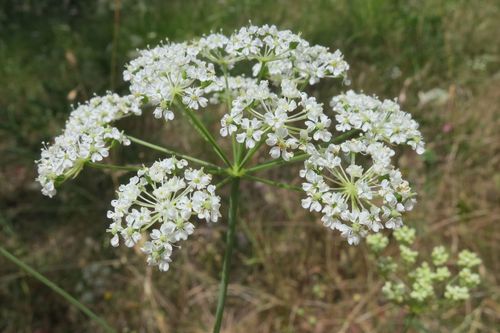
(c) Ansell Matcher, some rights reserved (CC BY-NC), uploaded by Ansell Matcher
iNaturalist· cc0
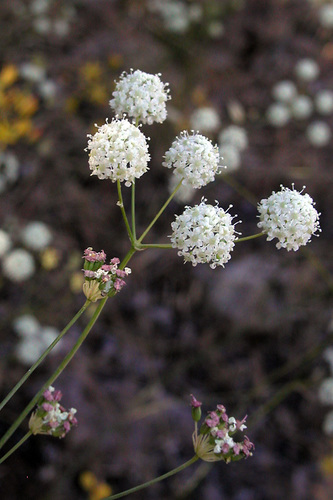
no rights reserved, uploaded by Peter Warren
iNaturalist· cc-by-nc-sa
(c) julie braby, some rights reserved (CC BY-NC-SA), uploaded by julie braby
Description
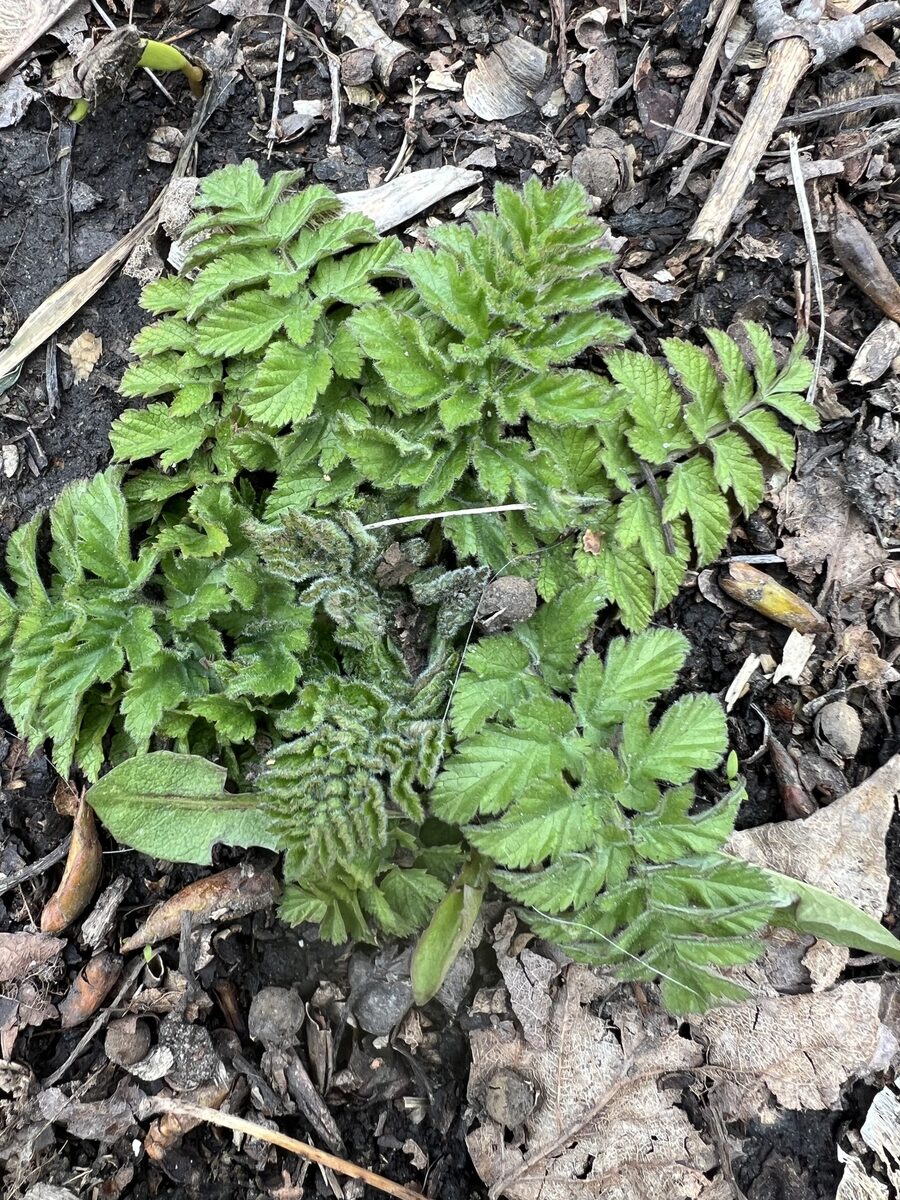
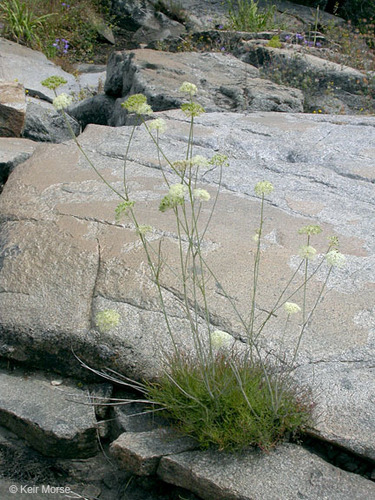
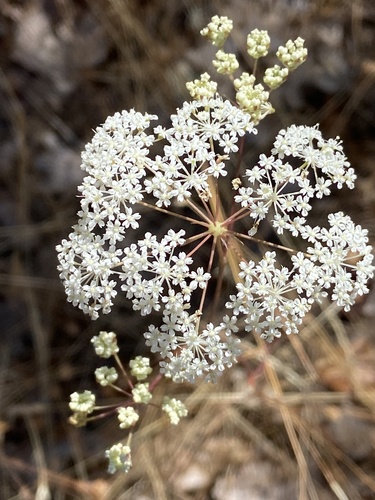
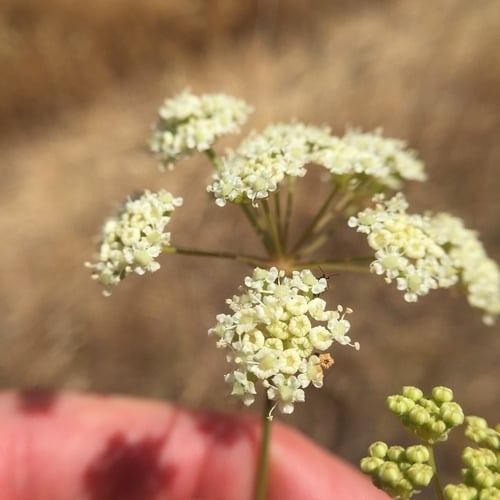
A herb. It grows 2 m tall. It has many thick side roots. The stems have grooves. The leaves at the base are oblong and 25 cm long by 9 cm wide. The leaves on the stem get smaller up the stem. The leaves have teeth around the edge.
Edible Uses
The roots are used as a food flavouring and preservative.
Traditional Uses
The roots are used as food flavouring and a preservative.
This uses section is brief — help expand it
Medicinal Uses
The rhizome and roots are commonly used in traditional medicine. Screening tests have indicated that they have antimicrobial, diuretic and hypotensive properties. They are used to treat colds, coughs, asthma, influenza and chest complaints in general; rheumatism and abdominal cramps. The plant is usually combined with Cannabis sative when used to treat asthma. The smoke from burning roots is used as a mild sedative. The roots are used externally to treat wounds. The roots and rhizomes contain high concentrations of several diterpenoids of the kaurene type (up to 27% dry weight). The plants medicinal activity is probably due to these triterpenoids.
Distribution
It is a subtropical plant.
Where It Grows
Africa, South Africa, Southern Africa,
Cultivation
The underground rhizomes are able to withstand the heat of bush fires and send out new growth once the fire has passed.
Propagation
Seed - best sown as soon as it is ripe. Sow the fresh seed in trays filled with a very well-drained seedling mix. Once sown, the seed should be lightly covered and kept watered until germination takes place. The seedlings are very prone to damping off and so watering should be carefully monitored. Once potted into individual pots, the plants need to be grown until the underground stem develops, after which they can be planted out.
Other Uses
When smoked in combination with marijuana (Cannabis sativa), it is said to take away the smell of the marijuana.
References (2)
- Ruiters-Welcome, A. K., 2019, Food plants of southern Africa. Ph.D. thesis. Univ. of Johannesburg p 18
- Welcome, A. K. & Van Wyk, B.-E., 2019, An inventory and analysis of the food plants of southern Africa. South African Journal of Botany 122 (2019) 136–179