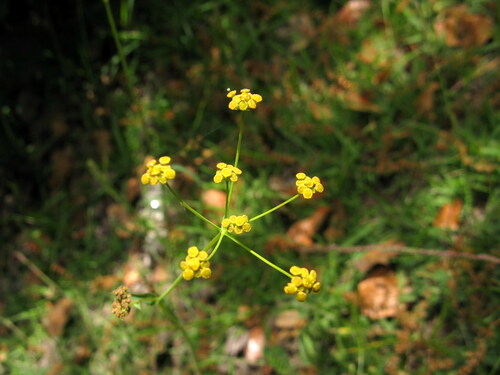
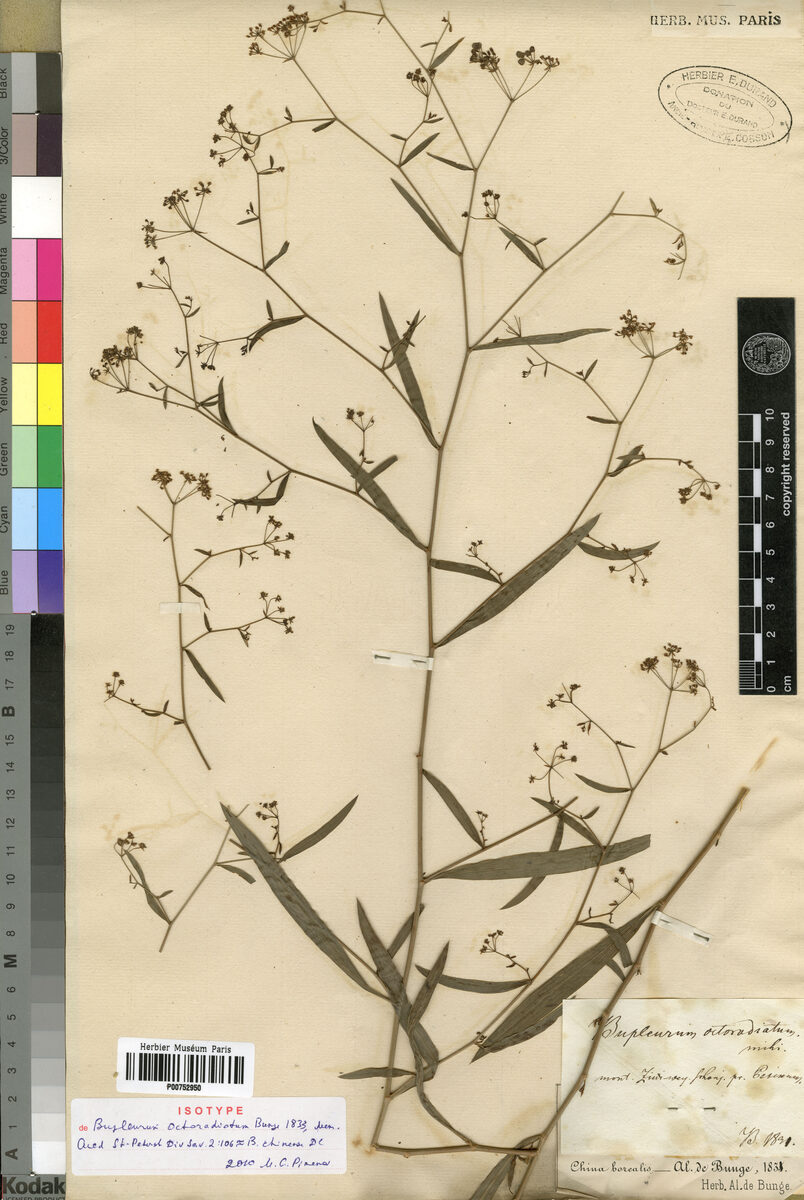
Alepidea longifolia
E. Mey.
Kalmus
iNaturalist· cc-by-nc
(c) Richard Gill, some rights reserved (CC BY-NC)
iNaturalist· cc-by-nc
(c) Richard Gill, some rights reserved (CC BY-NC)
iNaturalist· cc-by-nc-sa
(c) Pádraic Flood, some rights reserved (CC BY-NC-SA)
Description
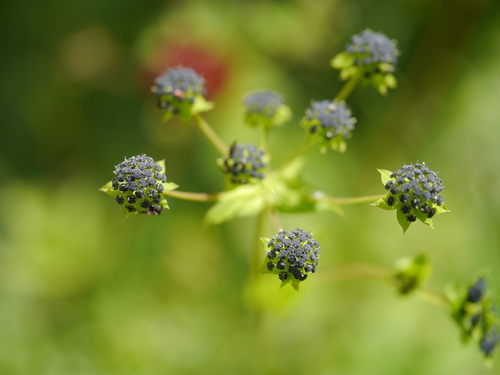
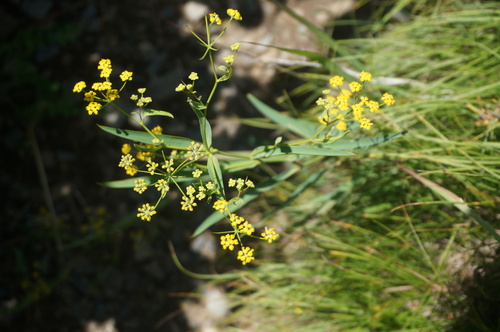
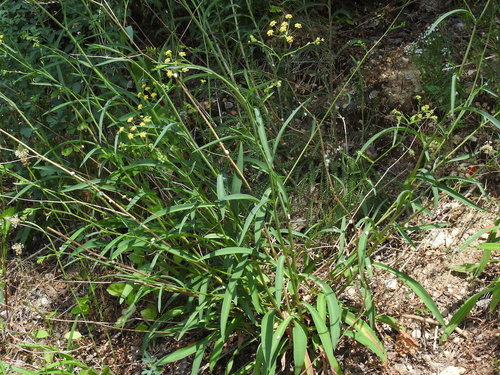
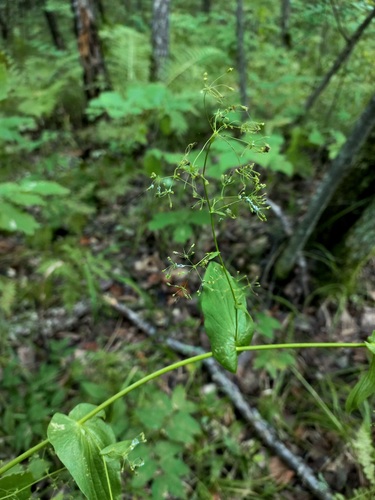
An erect herb. It has one stem. It grows 1.2 m tall. It has a thick rootstock. The leaves at the base are in a ring. They are spoon shaped and taper to the base. There are teeth with bristles at their tip along the edge of the leaf. The leaves on the stem do not have leaf stalks. The flowers are in a small group at the top of the plant.
Edible Uses
Young leaves are cooked and traditionally mixed with nettle leaves and peanuts.
Traditional Uses
The young leaves are eaten. They are cooked and mixed with nettle leaves (Urtica urens) and peanuts,
This uses section is brief — help expand it
Distribution
It is a Mediterranean climate and subtropical plant.
Where It Grows
Africa, East Africa, Eswatini, Mozambique, South Africa, Southern Africa, Swaziland,
Synonyms
Also Known As
Cocwane, Inkazane, Ikhokhwane, Khisogo, Likhatsato, Likhokhwane, Linjata, Uhlosa, Ujesa, Ujeza
References (4)
- Fox, F. W. & Young, M. E. N., 1982, Food from the Veld. Delta Books. p 84
- Long, C., 2005, Swaziland's Flora - siSwati names and Uses http://www.sntc.org.sz/flora/
- Plowes, N. J. & Taylor, F. W., 1997, The Processing of Indigenous Fruits and other Wildfoods of Southern Africa. in Smartt, L. & Haq. (Eds) Domestication, Production and Utilization of New Crops. ICUC p 184
- van Wyk, Be., & Gericke, N., 2007, People's plants. A Guide to Useful Plants of Southern Africa. Briza. p 63