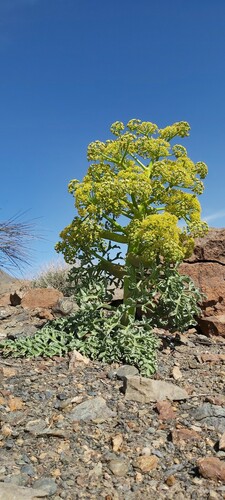
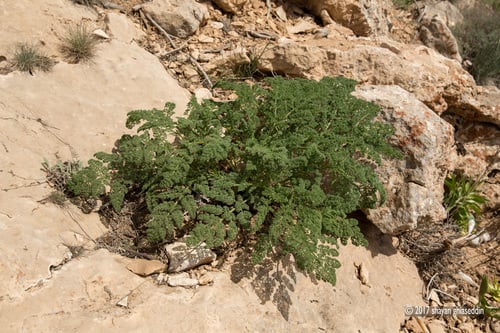
Falcaria vulgaris
Bernh.
Longleaf, Sickle weed
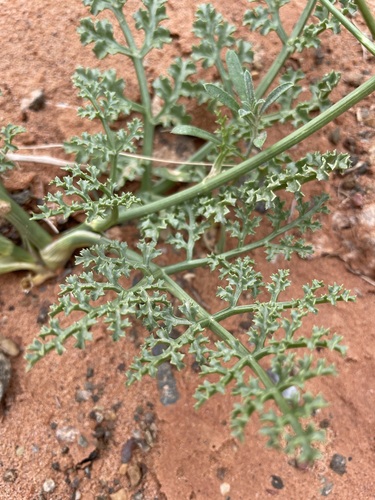
iNaturalist· cc-by
(c) Gernot HOCHMUELLER, some rights reserved (CC BY)
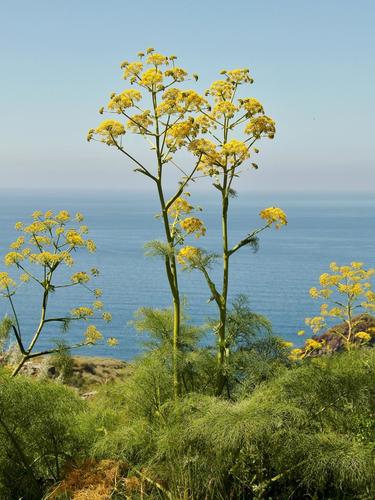
iNaturalist· cc-by-nc
(c) Almantas Kulbis, some rights reserved (CC BY-NC)
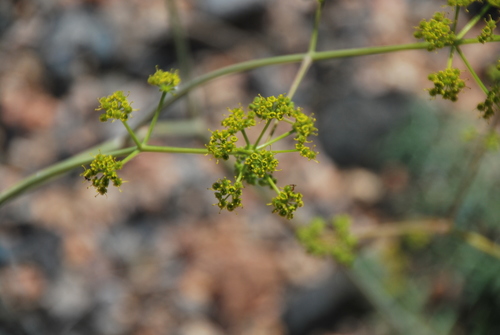
iNaturalist· cc-by-nc
(c) Almantas Kulbis, some rights reserved (CC BY-NC)
Summary
Source: WikipediaFalcaria vulgaris, the sickleweed or longleaf, is the sole species in the genus Falcaria. It is a biennial herb of the spherical shape. Blossoms in June–July. Grows in Europe, Siberia, Middle East, Northern Africa, North and South Americas. Contains alkaloids, carotene, vitamin C, proteins. Its use as an alternative medicine may offer several advantages, especially in the treatment of stomach and skin ulcers, diabetes, infections, and liver and kidney disorders.
Description
A herb. It can grow each year from seeds or keep growing for a few years. It grows 25-100 cm tall.
This description is brief — help expand it
Edible Uses
The leaves are mixed with other edible leaves like chickweed and added to flat bread with various fillings, cooked and added to stews, or used in salads. Young stems are cooked and eaten fresh, used for pickling, and used as a spice for cheese.
Traditional Uses
The leaves are mixed with chickweed and other edible leaves and added to flat bread with various other stuffings. The leaves are also cooked and eaten. They are added to stews. The young stems are cooked and eaten in salads and used for pickles. They are also used as a spice for cheese.
Distribution
It is a Mediterranean plant.
Where It Grows
Armenia, Austria, Azerbaijan, Balkans, Belarus, Bulgaria, Caucasus, Central Asia, Europe, France, Georgia, Hungary, Iraq, Italy, Kazakhstan, Luxembourg, Mediterranean, Middle East, Poland, Romania, Russia, Siberia, Spain, Tajikistan, Turkey, Türkiye, Turkmenistan,
Other Information
It is sold in local markets.
Synonyms
Also Known As
Gazeyagi, Kazayagi, K'oprichkhila, Pekhask, Peraz, Qazilla, Sibegh, Sibekh, Tizik
References (18)
- Bussman, R. W., et al, 2016, A comparative ethnobotany of Khevsureti, Samtskhe-Javakheti, Tusheti, Svaneti, and Racha-Lechkhumi, Republic of Georgia (Sakartvelo), Caucasus. Journal of Ethnobiology and Ethnomedicine (2016) 12:43 (As Falcaria sioides)
- Bussman, R. W., et al, 2021, Unity in diversity—food plants and fungi of Sakartvelo (Republic of Georgia), Caucasus. Journal of Ethnobiology and Ethnomedicine (2021) 17:72 p 5
- Cakir, E. A., 2017, Traditional knowledge of wild edible plants of Iğdır Province (East Anatolia, Turkey). Acta Soc Bot Pol. 2017;86(4):3568.
- Dogan, A., et al, 2014, A review of edible plants on the Turkish Apiaceae species. J. Fac. Pharm. Istanbul, 44(2) pp 251-262
- Dogan, A. & Tuzlaci, E., 2015, Wild Edible Plants of Pertek (Tunceli-Turkey). Marmara Pharmaceutical Journal 19: 126-135
Show all 18 references Hide references
- Dogan, Y., 2012, Traditionally used wild edible greens in the Aegean Region of Turkey. Acta Societatis Botanicorum Poloniae 81(4): 329-342
- Ertug, F., 2004, Wild Edible Plants of the Bodrum Area. (Mugla, Turkey). Turk. J. Bot. 28 (2004): 161-174 (As Falcaria sp.)
- Ertug, F, Yenen Bitkiler. Resimli Türkiye Florası -I- Flora of Turkey - Ethnobotany supplement
- Facciola, S., 1998, Cornucopia 2: a Source Book of Edible Plants. Kampong Publications, 18
- Galalaey, A. M. K., et al, 2021, Ethnobotanical study of some wild edible plants in Hujran Bason, Kurdistan Region of Iraq. ZANCO Journal of Pure and Applied Sciences. Salahaddin University-Erbil p 25
- Hovsepyan, R., et al, 2016, Food as a marker for economy and part of identity: traditional vegetal food of Yezidis and Kurds in Armenia. Journal of Ethnic Foods. 3:32-41
- Koca, I., et al, 2015, Some Wild Edible Plants and Their Dietary Fiber Contents. Pakistan Journal of Nutrition. 14(4): 188-194
- Mukemre, M., et al, 2016, Survey of wild food plants for human consumption in villages of Catak, (Van-Turkey), Indian Journal of Traditional Knowledge. Vol. 15(2) pp. 183-191
- Nanagulyan, S., et al, 2020, Wild plants and fungi sold in the markets of Yerevan (Armenia). Journal of Ethnobiology and Ethnomedicine 16:26
- Pieroni, A., et al, 2020, Wild food plants traditionally gathered in central Armenia: archaic ingredients or future sustainable foods? Environment, Development and Sustainability. Springer p 8
- Syst. Verz. 176. 1800
- USDA, ARS, National Genetic Resources Program. Germplasm Resources Information Network - (GRIN). [Online Database] National Germplasm Resources Laboratory, Beltsville, Maryland. Available: www.ars-grin.gov/cgi-bin/npgs/html/econ.pl (10 April 2000)
- World Checklist of Useful Plant Species 2020. Royal Botanic Gardens, Kew