Trewia nudiflora
Linn.
Pindara, False white teak
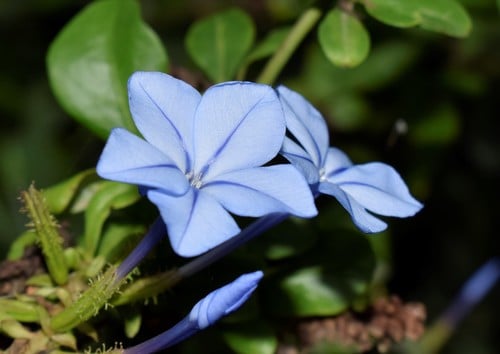
iNaturalist· cc-by-nc
(c) Radha Veach, some rights reserved (CC BY-NC)
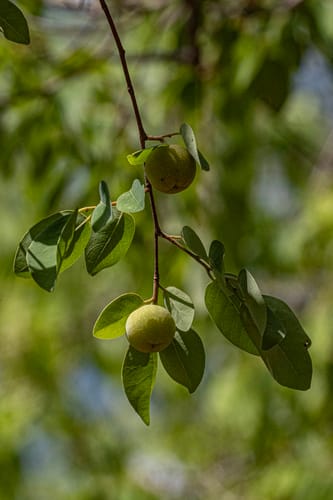
iNaturalist· cc-by-nc
(c) Radha Veach, some rights reserved (CC BY-NC)
iNaturalist· cc-by-nc
(c) Radha Veach, some rights reserved (CC BY-NC)
Description
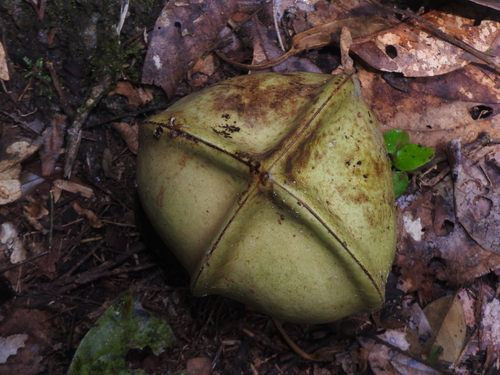
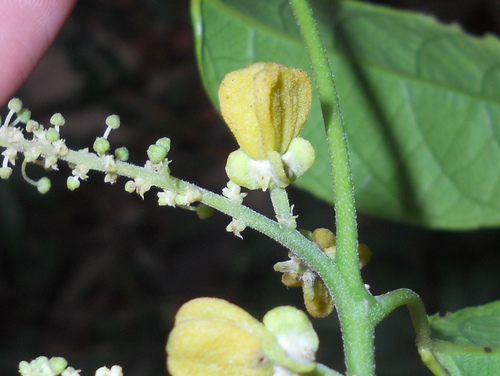
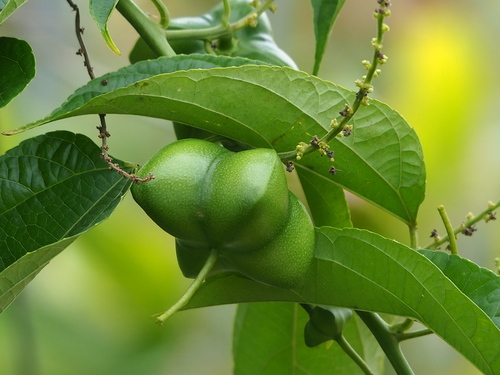
A medium sized deciduous tree. It grows up to 14 m tall. The bark is smooth and pale grey or silvery. The leaves can be 24 cm long. They have a long point at the tip. They are downy at first but become smooth with age. The base if broad and heart shaped. There are 3-5 veins from the base. Male and female flowers are on separate trees. The male flowers are yellow and in spike clusters. They have long stamens. The female flowers are green and occur singly or in twos or threes. The fruit is flattened and a round berry. They are smooth and green and succulent. They are 2.5 cm long by 3 cm wide. The seeds are 1.4 cm long by 8 mm wide. They are black.
Edible Uses
The fruit are eaten fresh.
Traditional Uses
The fruit are eaten.
This uses section is brief — help expand it
Distribution
A tropical plant. It suits hot damp places. It suits riverbanks. In Pakistan it grows up to 250 m altitude.
Where It Grows
Asia, Bhutan, China, Himalayas, India, Indochina, Laos, Malaysia, Myanmar, Nepal, Northeastern India, Pakistan, SE Asia, Sri Lanka,
Notes
There are 2 Trewia species.
Also Known As
Annathuvarei, Arurong, Attarasu, Attupuvarasu, Aulekapasi, Bhel-kol, Bhillaura, Bol-diktak, Bolnokhap, Dieng-soh-lyndot, Eeruponaku, Gadalopong, Gamari, Gamhar, Garum, Gutel, Jongheia, Kaadukanji, Kanji, Kattukunil, Kaykumbala, Kenlo, Khamara, Kurong, Malankumil, Monda, Pambarakkumbil, Panigambhar, Panijambhar, Panipitho, Petari, Pindara, Pitali, Pithakuma-kendlow, Pithaliya, Ramritha, Raypbunul, Setkadon, Thing-chingel, Thungplam, Tumri, Vellar, Ye-hmyok
References (8)
- Ambasta, S.P. (Ed.), 2000, The Useful Plants of India. CSIR India. p 646
- Bohra, N., et al, 2017, Ethnobotany of wild edible plants traditionally used by the local people in the Ramnagar regions from Nainital District, Uttarakhand, India. Biolife 5(1): 12-19
- Dangol, D. R., 2002, Economic uses of forest plant resources in western Chitwan, Nepal. Banko Janakari, 12(2): 56-64
- Flora of Pakistan. www.eFloras.org
- Krishen P., 2006, Trees of Delhi, A Field Guide. DK Books. p 126
Show all 8 references Hide references
- Singh, H.B., Arora R.K.,1978, Wild edible Plants of India. Indian Council of Agricultural Research, New Delhi. p 73
- Sp. pl. 2:1193. 1753 "Trevia"
- Wild edible plants of Himachal Pradesh