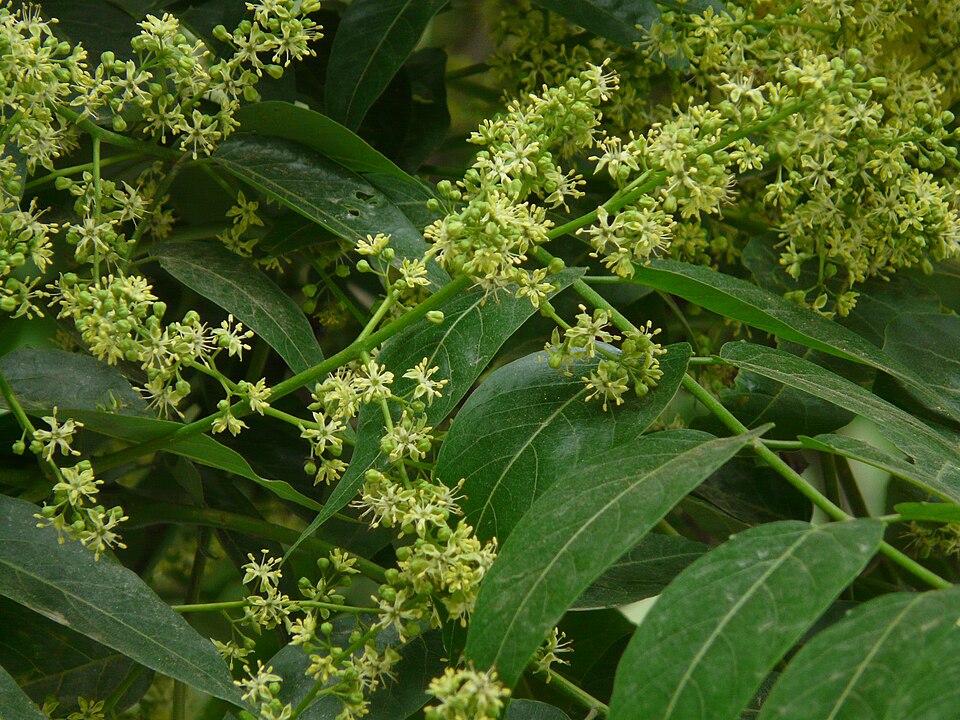
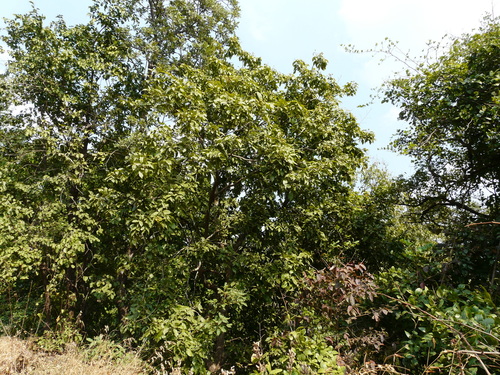
Dimocarpus longan subsp. malesianus
Leenh.
Mata kuching, Cat's eyes
iNaturalist· cc-by-nc
(c) joch89, some rights reserved (CC BY-NC)
iNaturalist· cc-by-nc
(c) nukusr, some rights reserved (CC BY-NC), uploaded by nukusr
iNaturalist· cc0
no rights reserved, uploaded by 葉子
Description
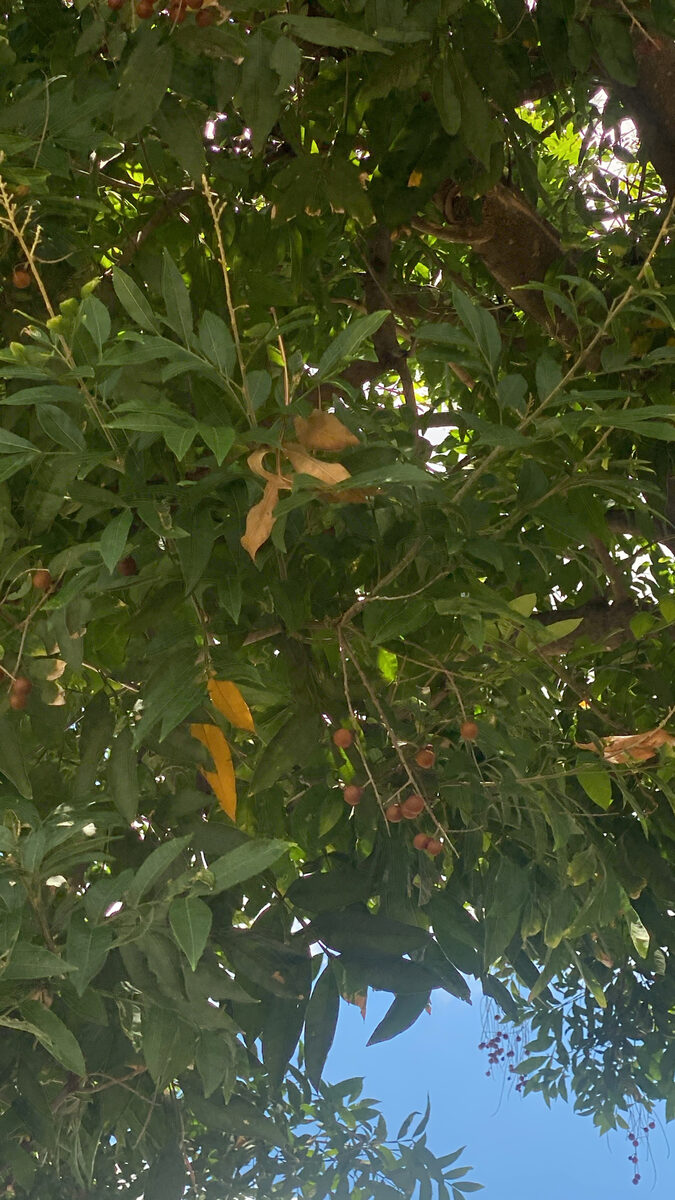
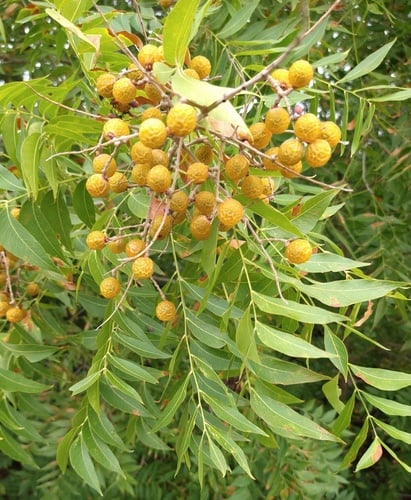
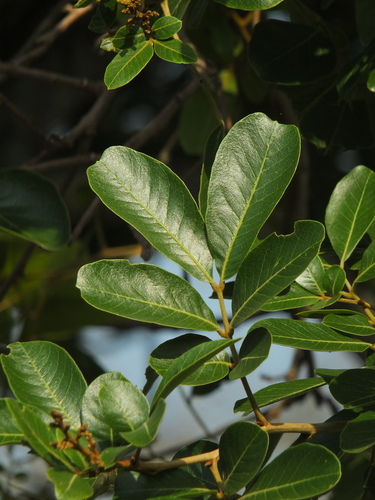
Trees can grow to 10-20 m high. The fruit are round and up to 2 cm across. They occur in large bunches. The skin is pale brown and is rough to the feel, and tough. The flesh is white and lets light through. The flesh layer around the seeds may be 0.5 cm thick. The seeds are large. The seed is deep purple.
Edible Uses
The fruit is sweet, juicy, and succulent in superior agricultural varieties. The seed and the peel are not consumed. Apart from being eaten raw like other fruits, longan fruit is also often used in Asian soups, snacks, desserts, and sweet-and-sour foods, either fresh or dried, and sometimes preserved and canned in syrup. The taste is different from lychees; while longan has a drier sweetness similar to dates, lychees are often messily juicy with a more tropical, grape-like sour sweetness. Dried longan are often used in Chinese cuisine and Chinese sweet dessert soups. In Chinese food therapy and herbal medicine, it is believed to have an effect on relaxation. In contrast with the fresh fruit, which is juicy and white, the flesh of dried longans is dark brown to almost black. Once fermented, it can be made into longan wine.
Traditional Uses
The fleshy layer in the fruit around the seed is eaten.
This uses section is brief — help expand it
Distribution
A tropical plant. It has less cold requirement than Dimocarpus longan subsp. longan.
Where It Grows
Asia, Australia, Brunei, Cambodia, East Timor, Indochina, Laos, Malaysia, Myanmar, Philippines, Sarawak, SE Asia, Timor-Leste, Vietnam,
Other Information
The fruit are eaten especially by children.
Synonyms
Also Known As
Isau, Kalamin-gyin
References (15)
- Blumea 19:126. 1971
- Burkill, I.H., 1966, A Dictionary of the Economic Products of the Malay Peninsula. Ministry of Agriculture and Cooperatives, Kuala Lumpur, Malaysia. Vol 2 (I-Z) p 1573 (As Nephelium malaiense)
- Cengel, D. J. & Dany. C., (Eds), 2016, Integrating Forest Biodiversity Resource Management and Sustainable Community Livelihood Development in the Preah Vihear Protected Forest. International Tropical Timber Organization p 110 (As Euphoria cambodiana)
- Chin, H.F., & Yong, H.S., 1996, Malaysian Fruits in Colour. Tropical press, Kuala Lumpur p 9 (As Euphoria maliense)
- Cowie, I, 2006, A Survey of Flora and vegetation of the proposed Jaco-Tutuala-Lore National Park. Timor-Lests (East Timor) www.territorystories.nt/gov.au p 52
Show all 15 references Hide references
- Darley, J.J., 1993, Know and Enjoy Tropical Fruit. P & S Publishers. p 61 (As Euphoria maliense)
- Darley, J.J., 1993, Know and Enjoy Tropical Fruit. P & S Publishers. p 61 (As Nephelium malaiense)
- Food Composition Tables for use in East Asia FAO http://www.fao.org/infoods/directory No. 839 (As Nephelium malaiense)
- Garner, R.J., and Chaudhri, S.A., (Ed.) 1976, The Propagation of Tropical fruit Trees. FAO/CAB. p 518 (As Nephelium malaiense)
- Macmillan, H.F. (Revised Barlow, H.S., et al) 1991, Tropical Planting and Gardening. Sixth edition. Malayan Nature Society. Kuala Lumpur. p 279
- Phon, P., 2000, Plants used in Cambodia. © Pauline Dy Phon, Phnom Penh, Cambodia. 235
- Soepadmo, E. and Wong, K. M. and Saw, L. G., 1996, Tree Flora of Sabah and Sarawak. Forestry Malaysia. Volume Two. p 288
- Tankard, G., 1990, Tropical fruit. An Australian Guide to Growing and using exotic fruit. Viking p 124
- van Wyk, B., 2005, Food Plants of the World. An illustrated guide. Timber press. p 176
- Zawiah, N. & Othaman, H., 2012, 99 Spesies Buah di FRIM. Institut Penyelidikan Perhutanan Malaysia. p 94