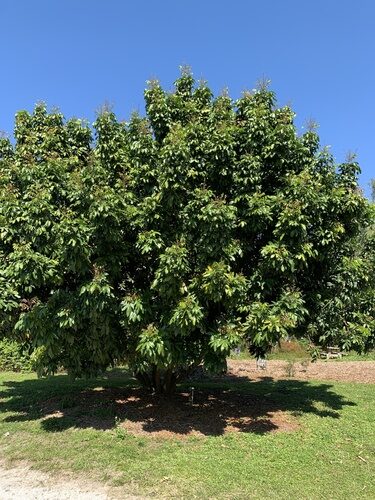
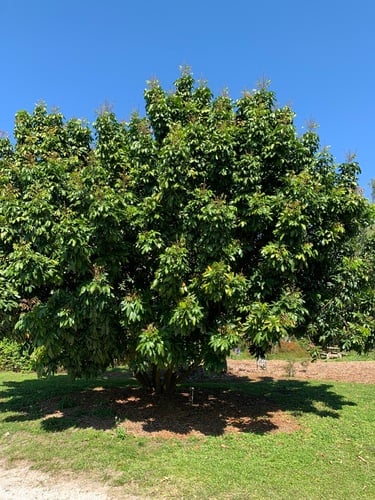
Xerospermum noronhianum
(Blume) Blume
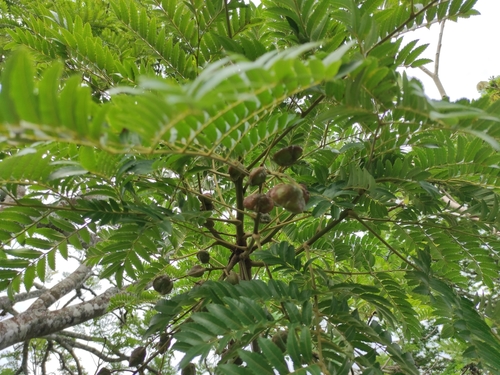
iNaturalist· cc-by-nc
(c) Cheongweei Gan, some rights reserved (CC BY-NC), uploaded by Cheongweei Gan
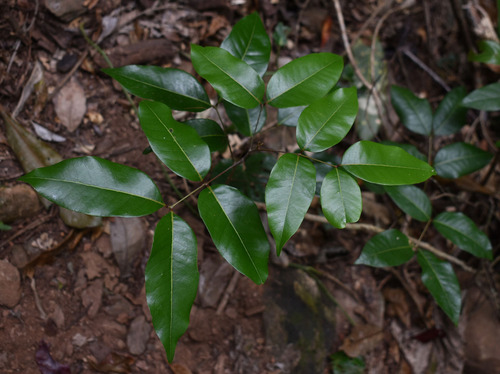
iNaturalist· cc-by-nc
(c) Luan Mai Sy, some rights reserved (CC BY-NC)
Summary
Source: WikipediaXerospermum noronhianum is a common Asian tree species described by Carl Ludwig von Blume: it is the type species in the genus and belongs to the Family Sapindaceae. X. noronhianum Blume is the accepted name and there are no subspecies listed in the Catalogue of Life. Morphologically, it is a very variable species, found in many kinds of tropical forests and soils, usually below 300 m altitude and rarely above 1000 m. Its light brown wood is hard and durable, often used in the construction of buildings.
Description
A tree. It can be 30 m high. The trunk can be 80 cm across. There are sometimes buttresses. The twigs have small hairs at the beginning. The leaves are alternate and compound. The leaflets are usually oval. Leaves are 50 cm long by 30 cm wide. The flowers are white to yellow and 4 mm across. They are in panicles. The flowering cluster is 25 cm long. The fruit has a swollen stalk. The fruit has lobes. The fruit is 1.7-5 cm long by 1.2-5 cm wide. The seeds have a fleshy layer or aril around them. It is yellow.
Edible Uses
The yellow fleshy aril surrounding the seeds is eaten, as is the fruit itself.
Traditional Uses
The fleshy layer around the seeds is eaten.
This uses section is brief — help expand it
Medicinal Uses
The fruits and leaves are used to alleviate stomach-ache.
Distribution
A tropical plant. It grows in a range of soils and forests usually up to 300 m but it can be higher. It is mostly on hillsides and alluvial sites. It grows on sandy and clay soils. It grows in forests up to 1,500 m above sea level.
Where It Grows
Asia, Bangladesh, Brunei, Cambodia, India, Indochina, Indonesia, Laos, Malaysia, Myanmar, SE Asia, Singapore, Thailand,
Cultivation
Found on a variety of different soils in the wild including sand, sandy clay, fertile volcanic loam and peat; with a subsoil of granite, sandstone, or limestone. Tolerant of periodic inundation of the soil. Plants can flower and fruit all year round.
Other Uses
The light brown wood is hard and durable. It is used in construction, making carts, mills, rice pounders etc. The opinions on the timber quality are rather divergent, ranging from being suitable only for fuel, to being an inferior timber, or to being a good, tough, and durable timber.
Synonyms
Also Known As
Balong ayam, Bonlichu, Bura, Buru-buphang, Dieng-soh-moni-ar-shree, Geresek hitam, Gigi buntal, Ilat, Kaw hia, Khoirao, Khuranchi, Kikir buntal, Kyetmauk-thein, Mak-hkaw-mi, Mamangas, Mean angkarm, Rambutan pacat, Rambutan pachat, Resat, Seman, Semayap, Shanpi, Tangguih pachat, Taung-kyetmauk, Thit-nyo, Tudun biawak
References (15)
- Adema, Leenhouts, P. W., 1994, Sapindaceae, Flora Malesiana Ser 1 Vol 11 (3) p 750
- Ambasta, S.P. (Ed.), 2000, The Useful Plants of India. CSIR India. p 693 (As Xerospermum glabratum)
- Argent, G et al, nd, Manual of the Larger and More important non Dipterocarp Trees of Central Kalimantan Indonesia. Volume 2 Forest Research Institute, Samarinda, Indonesia. p 573
- Burkill, I.H., 1966, A Dictionary of the Economic Products of the Malay Peninsula. Ministry of Agriculture and Cooperatives, Kuala Lumpur, Malaysia. Vol 2 (I-Z) p 2313 (As Xerospermum intermedium)
- Chai, P. P. K. (Ed), et al, 2000, A checklist of Flora, Fauna, Food and Medicinal Plants. Lanjak Entimau Wildlife Sanctuary, Sarawak. Forestry Malaysia & ITTO. p 170
Show all 15 references Hide references
- Hanum, F. I., 1999, Plant Diversity and Conservation Value of Ayer Hitam Forest, Selangor, Peninsula Malaysia. Pertanika J. Trop. Agric. Sci. 22(2):73-83
- Mohd, N. G. et al, 2014, A Preliminary Flora Survey in Gunung Kajang, Pulau Tioman, Pahang Darul Makmur, Malaysia. Malays. Appl. Biol. 43(2): 17-23
- Milow, P., et al, 2013, Malaysian species of plants with edible fruits or seeds and their evaluation. International Journal of Fruit Science. 14:1, 1-27
- Pasha, M. K. & Uddin, S. B., 2019, Minor Edible Fruits of Bangladesh. Bangladesh J. Plant Taxon. 26(2): 299–313
- PROSEA No. 2
- Saw, L.G., LaFrankie, J. V. Kochummen, K. M., Yap S. K., 1991, Fruit Trees in a Malaysian Rain Forest. Economic Botany, Vol. 45, No. 1, pp. 120-136
- Slik, F., www.asianplant.net
- Suwardi, A. B., et al, 2020, Wild edible fruits generate substantial income for local people of the Gunung Leuser National Park, Aceh Tamiang Region. Ethnobotany Research & Applications 20:11
- Turreira Garcia, N., et al, 2017, Ethnobotanical knowledgeof the Kuy and Khmer people in Prey Lang, Cambodia. Cambodian Journal of Natural History 2017 (1): 76-101
- World Checklist of Useful Plant Species 2020. Royal Botanic Gardens, Kew