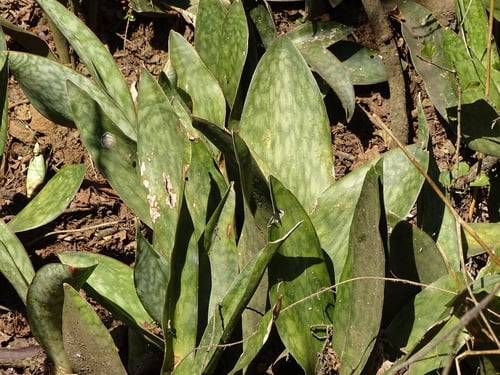
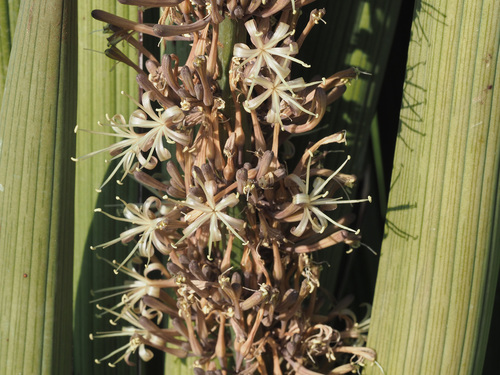
Maianthemum canadense
Desf.
Canada Beadruby, Canada mayflower
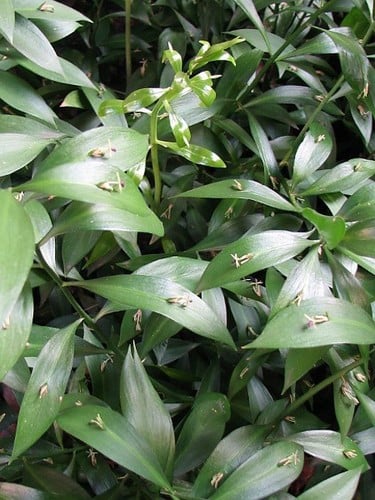
iNaturalist· cc-by-nc-sa
(c) Timothy Valentine, some rights reserved (CC BY-NC-SA)
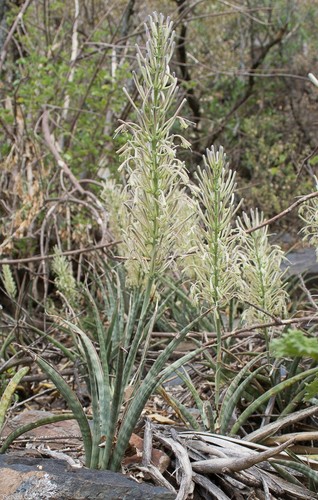
iNaturalist· cc0
no rights reserved, uploaded by Kevin Keegan
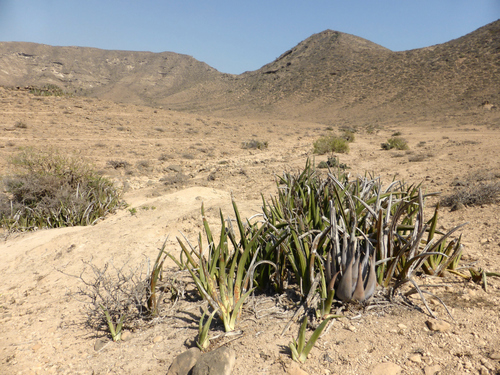
iNaturalist· cc-by-nc-sa
(c) dogtooth77, some rights reserved (CC BY-NC-SA)
Description
Maianthemum canadense is a PERENNIAL growing to 0.1 m (0ft 4in) by 1 m (3ft 3in) at a fast rate. See above for USDA hardiness. It is hardy to UK zone 3 and is not frost tender. It is in flower from May to June. The species is hermaphrodite (has both male and female organs) and is pollinated by Insects. Suitable for: light (sandy), medium (loamy) and heavy (clay) soils. Suitable pH: mildly acid, neutral and basic (mildly alkaline) soils. It can grow in full shade (deep woodland) or semi-shade (light woodland). It prefers moist soil.
Edible Uses
Fruit. We have no more details except a warning that the fruit should be used with caution. The fruit is about 6mm in diameter.
Medicinal Uses
Expectorant KidneyA tea made from the plant has been used in the treatment of headaches and as a kidney tonic for pregnant women. It is also used as a gargle for sore throats and as an expectorant.
Known Hazards
There is a warning that the fruit should only be used with caution, but no more details are given.
Distribution
Eastern N. America - Labrador to Georgia, west to Tennessee and Iowa.
Where It Grows
NORTHERN AMERICA: Canada, Northwest Territories (south), Yukon (southeast), Québec, Nova Scotia, Ontario, Prince Edward Island, New Brunswick, Newfoundland and Labrador, St. Pierre and Miquelon, Saskatchewan, Alberta, Manitoba, British Columbia, United States, Connecticut, Indiana (north), Maine, Massachusetts, Michigan, New Hampshire, New Jersey, New York, Ohio, Pennsylvania, Rhode Island, Vermont, West Virginia, Illinois (north), Iowa, Minnesota, Nebraska (northwest), North Dakota, South Dakota, Wisconsin, Montana, Wyoming (northeast), Delaware, Georgia, Kentucky, Maryland, North Carolina, South Carolina, Tennessee, Virginia, District of Columbia,
Cultivation
Requires a cool shady moist but not wet position. Plants tolerate warm summers only if the soil remains moist. A mat forming plant, it can be invasive in good conditions. The flowers are sweetly scented.
Propagation
Seed - best sown quite thinly it as soon as it is ripe in a cold frame, it should germinate in the spring. Stored seed should be sown in late winter in a cold frame, it might take 18 months to germinate. Allow the seedlings to grow on in the pot for their first year, giving liquid feeds as necessary to ensure that they do not go hungry. Divide the plants into individual pots once they have died down in late summer. Grow them on in pots for another year or more until large enough to plant out. Division as new growth commences in the spring. Larger clumps can be replanted direct into their permanent positions, though it is best to pot up smaller clumps and grow them on in a cold frame until they are rooting well. Plant them out in the spring.
Other Uses
Plants can be used as ground cover in shady positions, doing well in a wild or woodland garden.