Chlorophytum subpetiolatum
(Baker) Kativu
wikimedia· cc-by-sa
Wikimedia Commons - Raffi Kojian
wikimedia· cc-by-sa
Wikimedia Commons - Raffi Kojian
Description
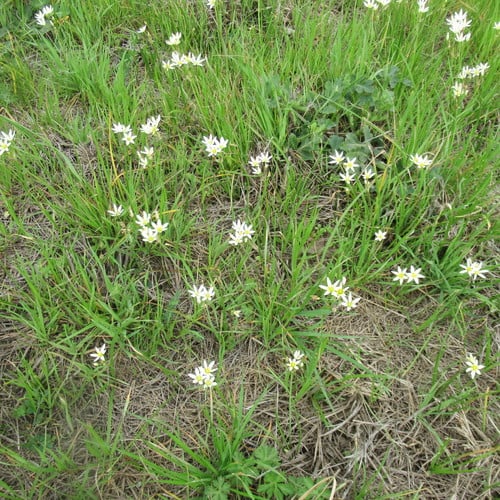
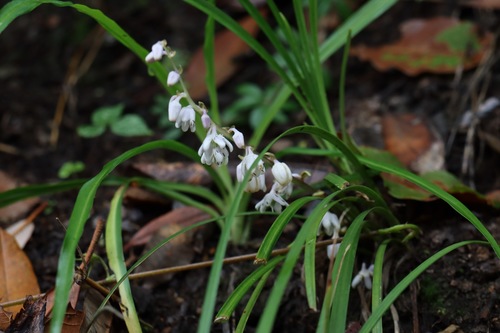
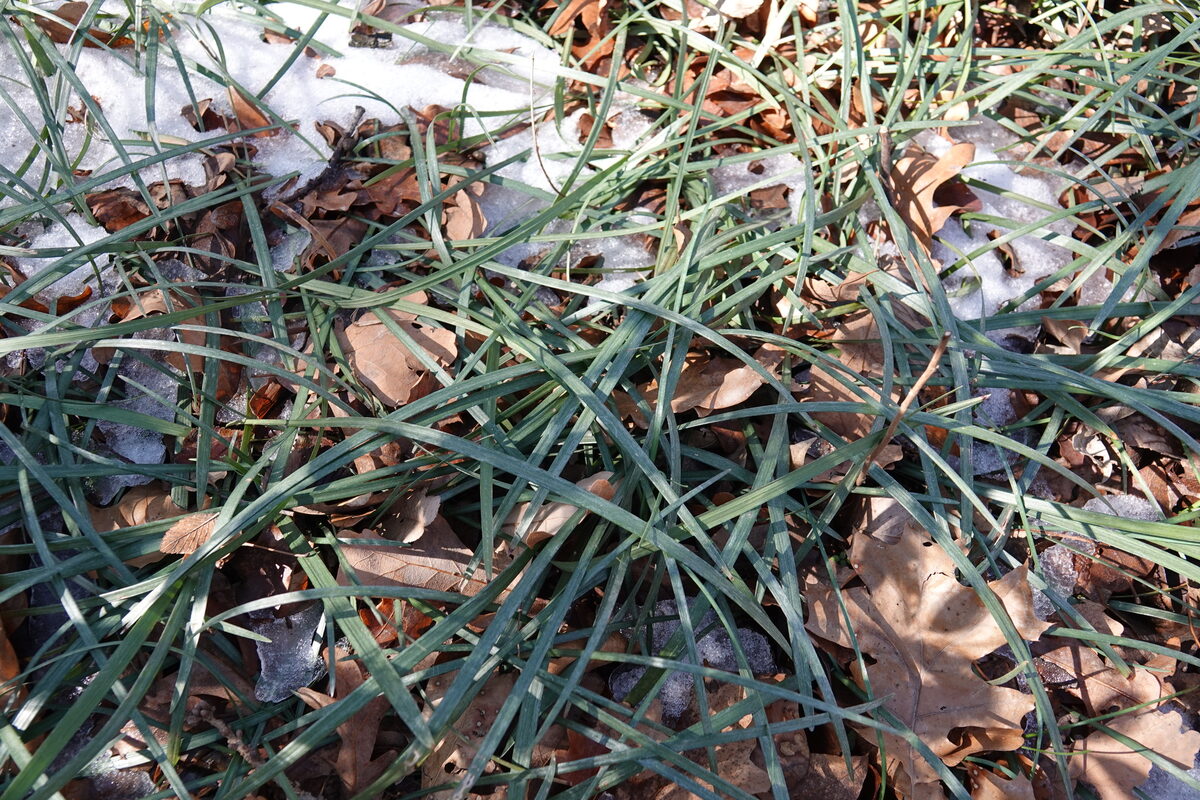
A small plant. It grows up to 15 cm high. The leaves grow from the base. The leaves are narrow and 5-15 cm long. They are 2-5 mm wide. The flowers are star like and white with a greenish tinge on the outside. The fruit is a capsule with shallow lobes.
Edible Uses
The leaves can be eaten as a vegetable, though they are not very palatable.
Distribution
A tropical plant. It grows in open woodland.
Where It Grows
Africa, East Africa, Nigeria, Tanzania, West Africa, Zambia, Zimbabwe,
Other Information
The leaves are not very palatable.
Notes
There are about 50 Anthericum species. Also put in the family Anthericaceae and Liliaceae.
Synonyms
Anthericum montanum Poelin.Anthericum monophyllum BakerAnthericum subpetiolatum BakerChlorophytum hispidiflorum Poelin.Chlorophytum polyrrhizum Bakerand others
References (7)
- Burkill, H. M., 1985, The useful plants of west tropical Africa, Vol. 2. Kew.
- Grivetti, L. E., 1980, Agricultural development: present and potential role of edible wild plants. Part 2: Sub-Saharan Africa, Report to the Department of State Agency for International Development. p 49 (As Anthericum subpetiolatum)
- Grubben, G. J. H. and Denton, O. A. (eds), 2004, Plant Resources of Tropical Africa 2. Vegetables. PROTA, Wageningen, Netherlands. p 560
- Jardin, C., 1970, List of Foods Used In Africa, FAO Nutrition Information Document Series No 2.p 56 (As Anthericum subpetiolatum)
- Martin, F.W. & Ruberte, R.M., 1979, Edible Leaves of the Tropics. Antillian College Press, Mayaguez, Puerto Rico. p 202 (As Anthericum subpetiolatum)
Show all 7 references Hide references
- Pickering, H., & Roe, E., 2009, Wild Flowers of the Victoria Falls Area. Helen Pickering, London. p 26
- World Checklist of Useful Plant Species 2020. Royal Botanic Gardens, Kew