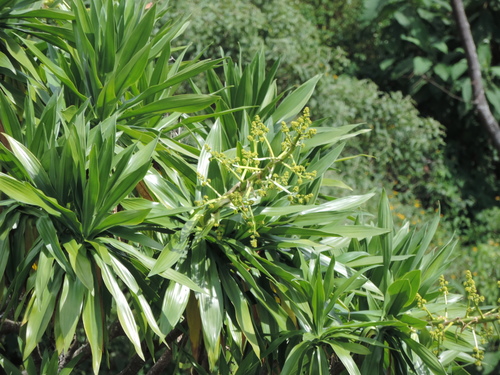
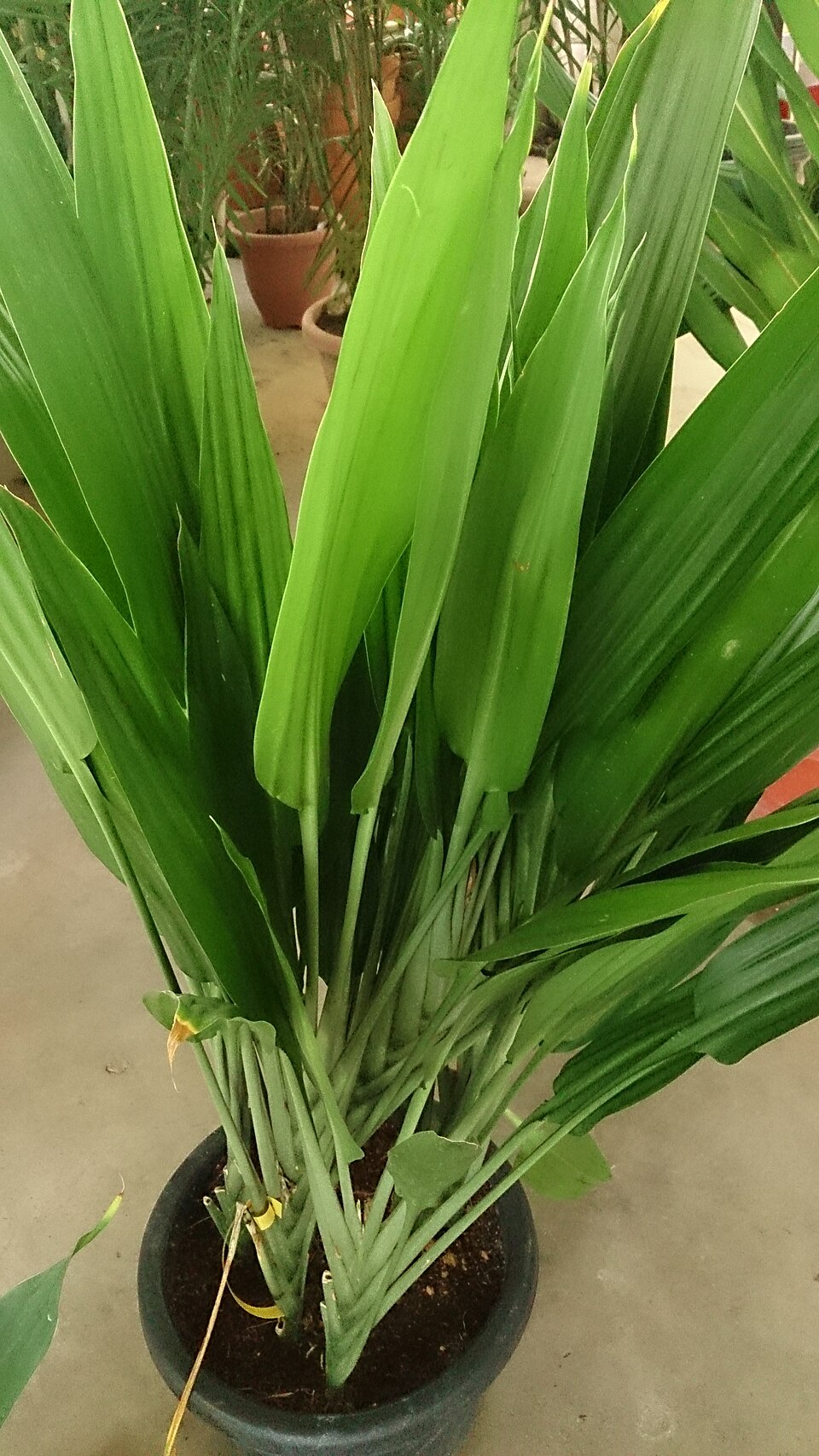
Clintonia borealis - (Aiton.)Raf.
(Aiton.)Raf.
Bluebeard
gbif· cc-by-nc
Erik Danielsen
gbif· cc-by-nc
Erik Danielsen
gbif· cc-by-nc
mcsnoopy
Description
Clintonia borealis is a PERENNIAL growing to 0.3 m (1ft) by 0.3 m (1ft in). See above for USDA hardiness. It is hardy to UK zone 3 and is not frost tender. It is in flower in May. The species is hermaphrodite (has both male and female organs) and is pollinated by Insects. Suitable for: light (sandy) and medium (loamy) soils. Suitable pH: mildly acid and neutral soils and can grow in very acid soils. It can grow in full shade (deep woodland) or semi-shade (light woodland). It prefers moist soil.
Edible Uses
Young leaves - raw or cooked. Harvested in spring before they fully unfurl, they have a slightly sweetish cucumber flavour. Older leaves can be used as a potherb.
Medicinal Uses
Cardiac Disinfectant Poultice. The leaves are cardiac and disinfectant. A poultice has been applied to open wounds, burns, ulcers, scrofulous sores and infections.
Distribution
North-eastern N. America - Newfoundland to Manitoba, south to N. Carolina and Wisconsin..
Where It Grows
NORTHERN AMERICA: Canada, Québec, Nova Scotia, Ontario, Prince Edward Island, New Brunswick, Newfoundland and Labrador, Manitoba, United States, Connecticut, Indiana, Maine, Massachusetts, Michigan, New Hampshire, New Jersey, New York, Ohio, Pennsylvania, Rhode Island, Vermont, West Virginia, Illinois, Minnesota, Wisconsin, Georgia, Maryland, North Carolina, Tennessee, Virginia,
Cultivation
Prefers a damp peaty sandy soil in a cool damp shady position. Requires a moist neutral to acid soil. The dormant plant is hardy to at least -25°c, but new growth in spring can be damaged by late frosts. Plants only produce their fruit in warm seasons in Britain. They have creeping underground stems and form dense colonies. This species is closely related to C. andrewsiana.
Propagation
Seed - best sown as soon as it is ripe in a cold frame, it usually germinates in the spring. Stored seed should be sown in late winter or early spring in a cold frame. It sometimes germinates within 1 - 3 months at 15°c, but may take a year. The seed should be completely separated from the fruit and should only just be covered by soil. If the seed has been sown thinly enough, then it is possible to leave the seedlings in the pot for their first growing season, dividing them after they become dormant. Make sure to give them liquid feeds at intervals through the spring and summer. Otherwise prick out the seedlings into individual pots when they are large enough to handle. Plant out in late spring or early summer at the beginning of their second or third years growth. Division in spring as new growth is just commencing.
Other Uses
Disinfectant Repellent. The crushed leaves have been rubbed on the face and hands as a protection from mosquitoes.