Chlorophytum pauper
Poelln.
iNaturalist· cc-by-nc
(c) maricel patino, some rights reserved (CC BY-NC)
iNaturalist· cc-by-nc
(c) maricel patino, some rights reserved (CC BY-NC)
iNaturalist· cc-by-nc
(c) maricel patino, some rights reserved (CC BY-NC)
Description
A bulb plant. It is a herb with an underground stem or rhizome. It grows up to 1 m high. The rhizomes are small and covered with fibres. The roots are thick and have side tubers. The leaves are in a ring of 3-6. They are narrow and 14-47 cm long by 1-3 cm wide. They are partly folded and with wavy edges. The flower stalk is angled and 20 cm long. They are 3-angled and round. They are 3-6 mm long by 4-5 mm wide.
Edible Uses
The leaves and flowers are eaten.
Distribution
It is a tropical plant. It grows up to 1,100 m above sea level. It grows on the edges of the rainforest. It suits humid locations. It grows near Victoria Falls.
Where It Grows
Africa, Botswana, East Africa, Southern Africa, Zambia, Zimbabwe,
Notes
Also put in the family Anthericaceae and Liliaceae.
Synonyms
References (3)
- Grivetti, L. E., 1980, Agricultural development: present and potential role of edible wild plants. Part 2: Sub-Saharan Africa, Report to the Department of State Agency for International Development. p 70
- Peters, C. R., O'Brien, E. M., and Drummond, R.B., 1992, Edible Wild plants of Sub-saharan Africa. Kew. p 11
- Scudder, 1971,
More from Asparagaceae
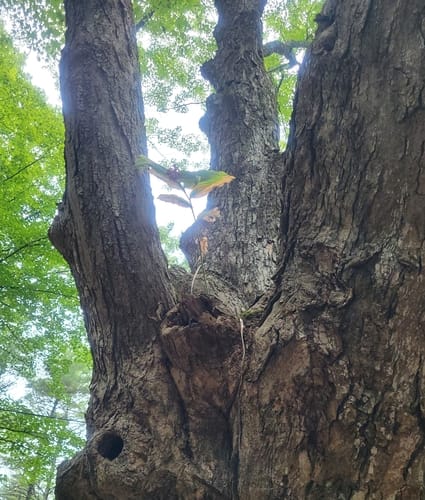
Maianthemum racemosum
False spikenard, Treacle berry, False Solomon's seal
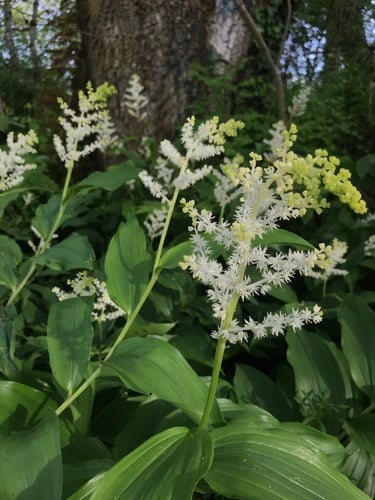
Maianthemum racemosum subsp. amplexicaule
Fat Solomon
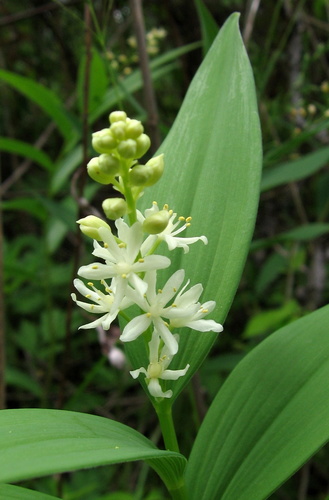
Maianthemum stellatum
Star-flowered lily of the valley, Starry False Solomon's-seal
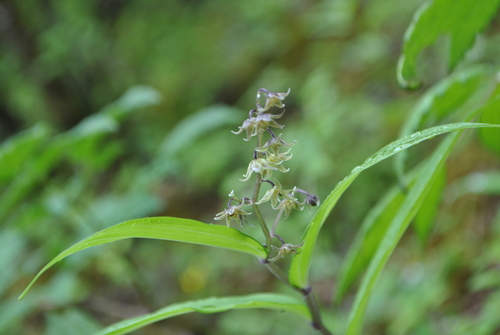
Maianthemum tatsienense
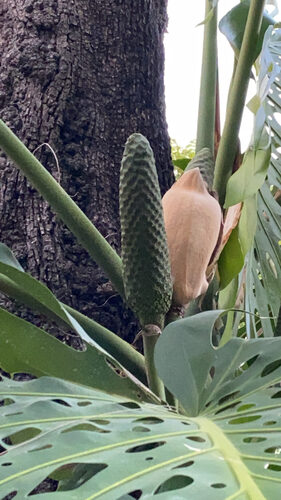
Monstera deliciosa
Ceriman, Windowleaf
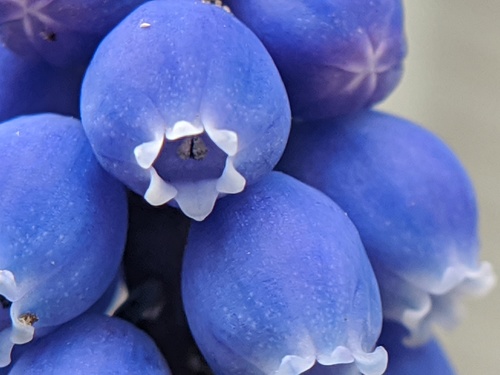
Muscari botryoides
Italian grape-hyacinth