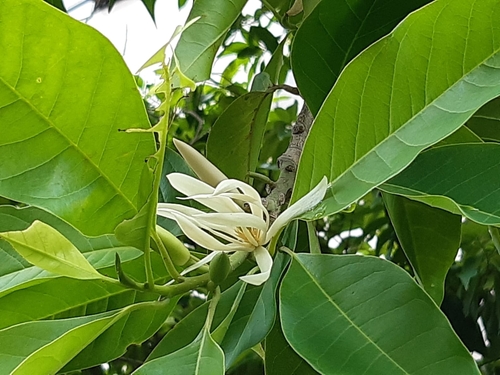
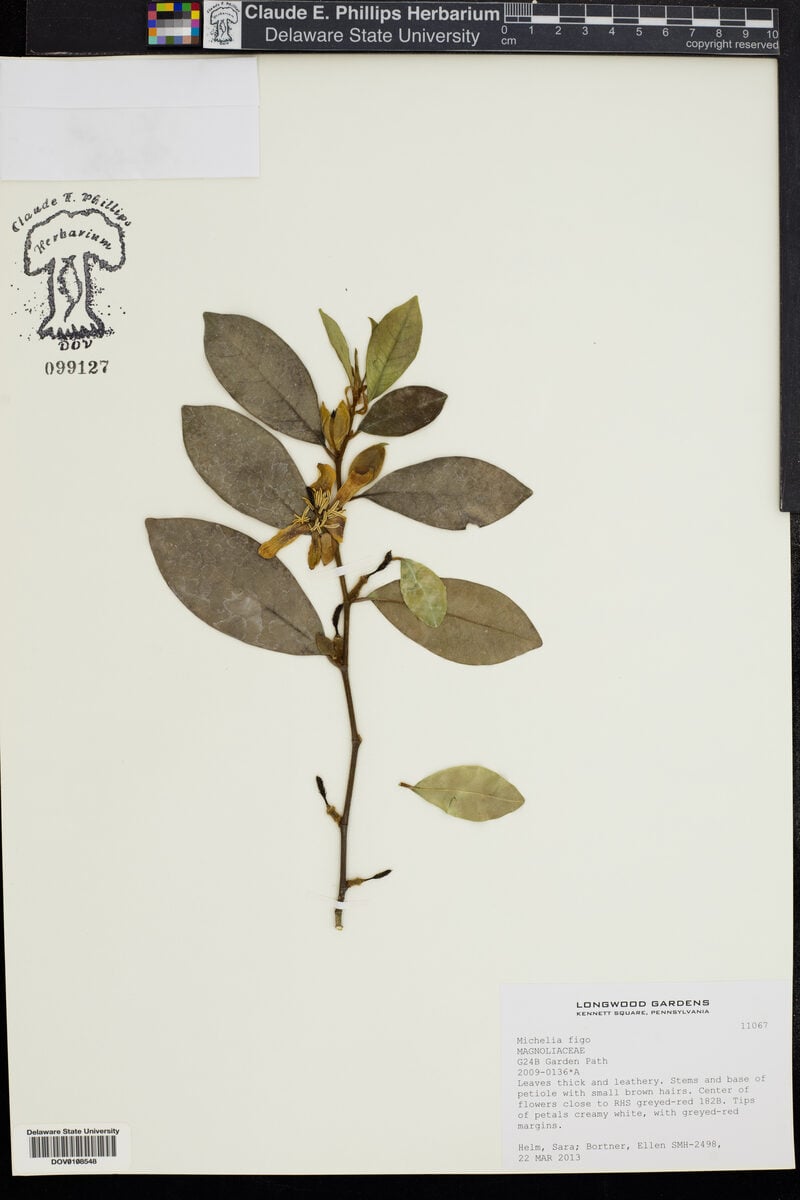
Magnolia x alba
(DC.) Figlar
White champaca
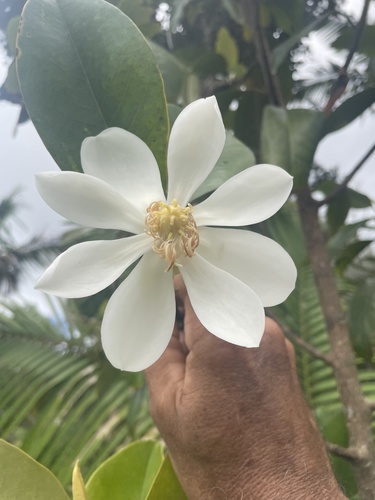
iNaturalist· cc-by-nc
(c) Aniruddha Chatterjee, some rights reserved (CC BY-NC)
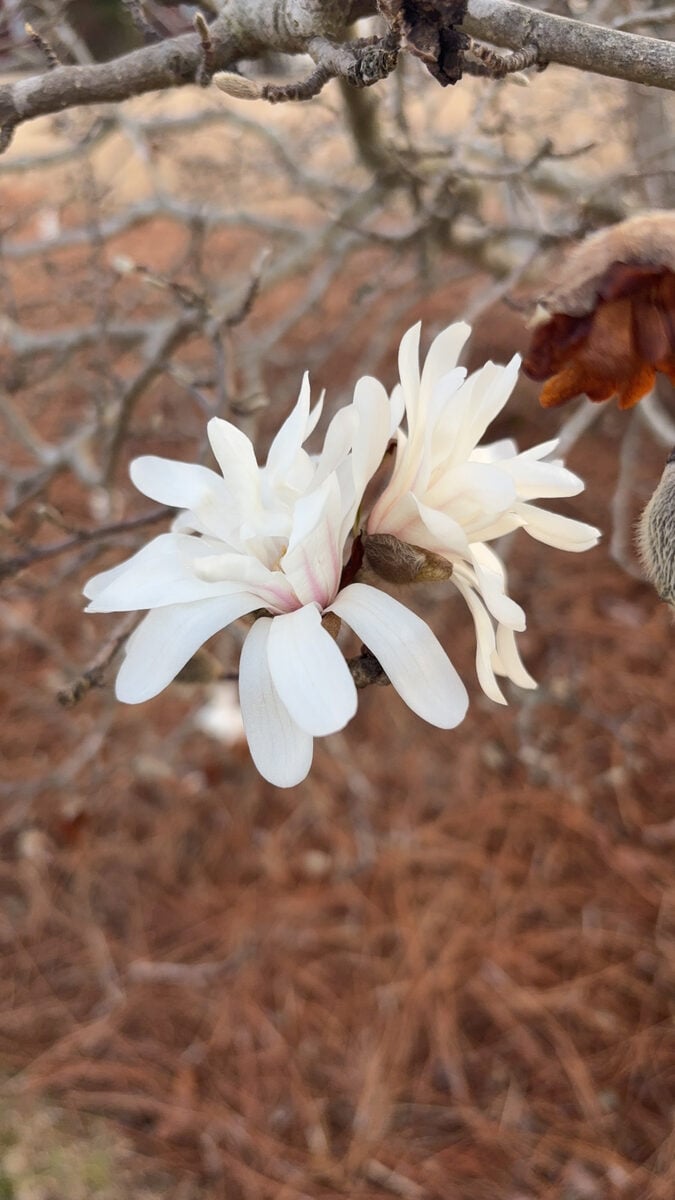
iNaturalist· cc-by-nc
(c) codyhylee, some rights reserved (CC BY-NC)
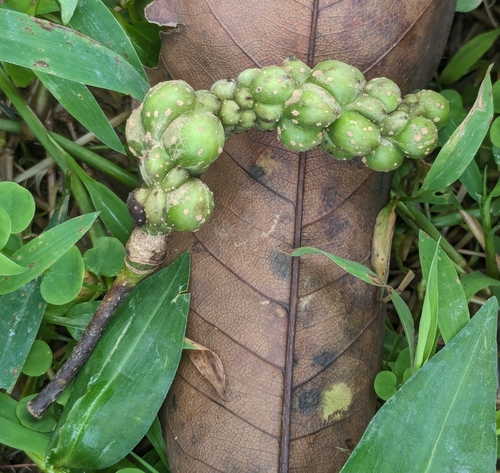
iNaturalist· cc-by-nc
(c) Sanjana Kajawe, some rights reserved (CC BY-NC)
Description
A tree. It is probably a hybrid of Magnolia champaca and Magnolia montana. It grows 30 m tall. The flowers have a strong scent.
This description is brief — help expand it
Edible Uses
Magnolia × alba is widely cultivated as an ornamental in Asia, particularly tropical and subtropical regions of China and Southeast Asia for the strongly fragrant flowers. In Taiwan, the flowers are plucked from trees before they open and bunches of them are strung together on wire, to be sold at roadside to truck and taxi drivers. The flowers remain fragrant for several days, before wilting and being disposed of. In Indonesia, the pleasantly fragrant flower is used and arranged together with Jasminum sambac as flower garland, especially wore by brides during traditional wedding ceremony. The flowers are similarly used in Thailand, where they are worn as traditional wedding garlands by the bride and groom. An essential oil is extracted from the flowers. In China, where it is known as bai lan (白蘭), the flowers are used to prepare yulan tea. In traditional Chinese medicine, the flowers are used to move qi and relieve cough.
Distribution
It is a tropical plant.
Where It Grows
Asia, China, Hawaii, Indonesia, Pacific, SE Asia,
Other Information
It is cultivated.
Synonyms
Also Known As
Cempaka putih, Kantil, Pak lan
References (1)
- Wiersema, J. H. & Leon, B., 2013, World Economic Plants. A Standard Reference CRC Press. 2nd Ed. p 424