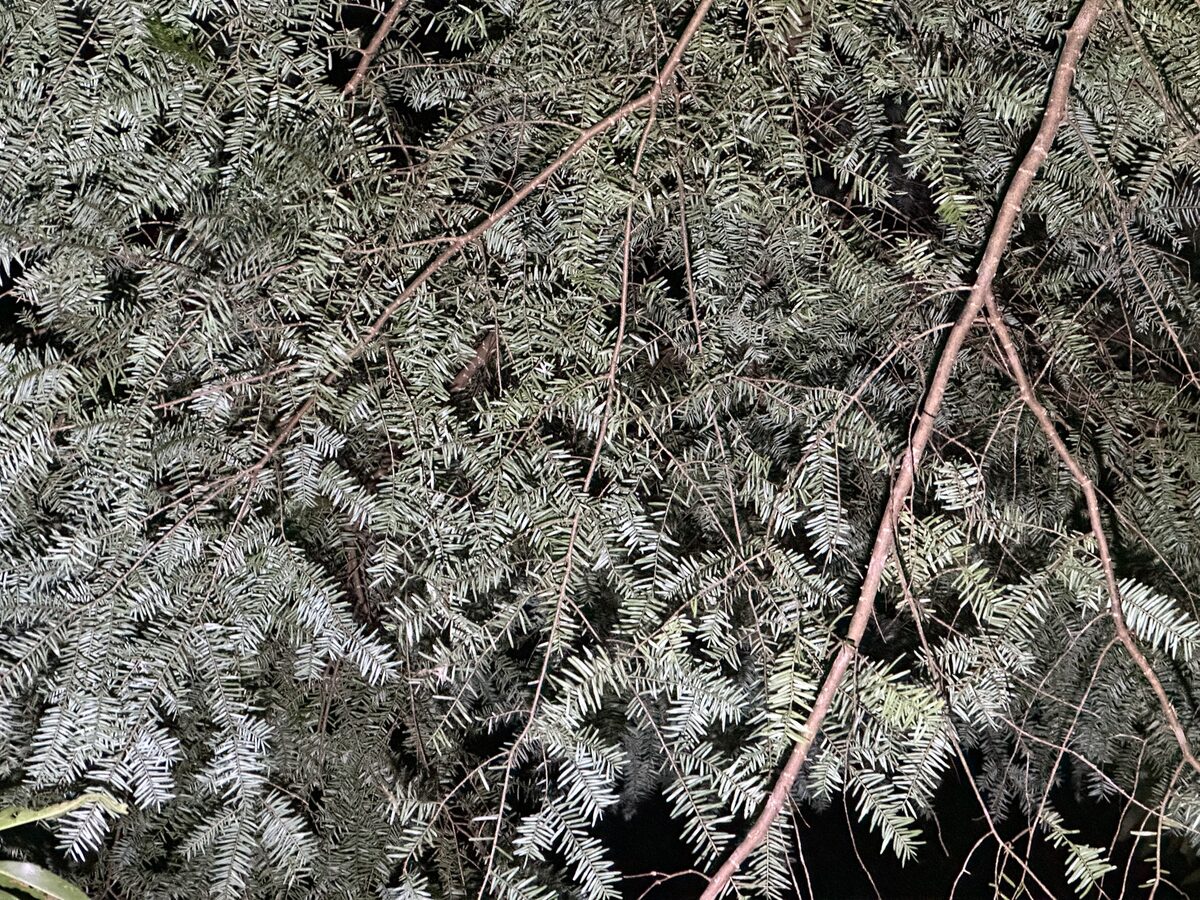
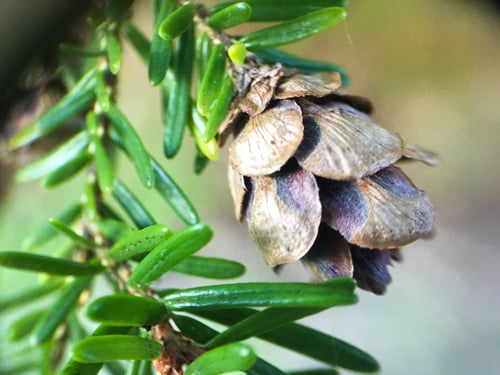
Larix lyallii
Parl.
Sub-Alpine Larch
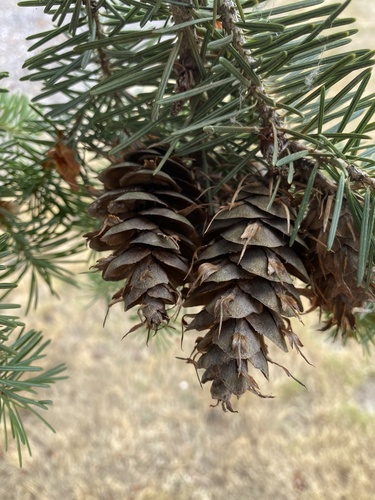
iNaturalist· cc-by-nc-nd
(c) Stephen Hui, some rights reserved (CC BY-NC-ND), uploaded by Stephen Hui
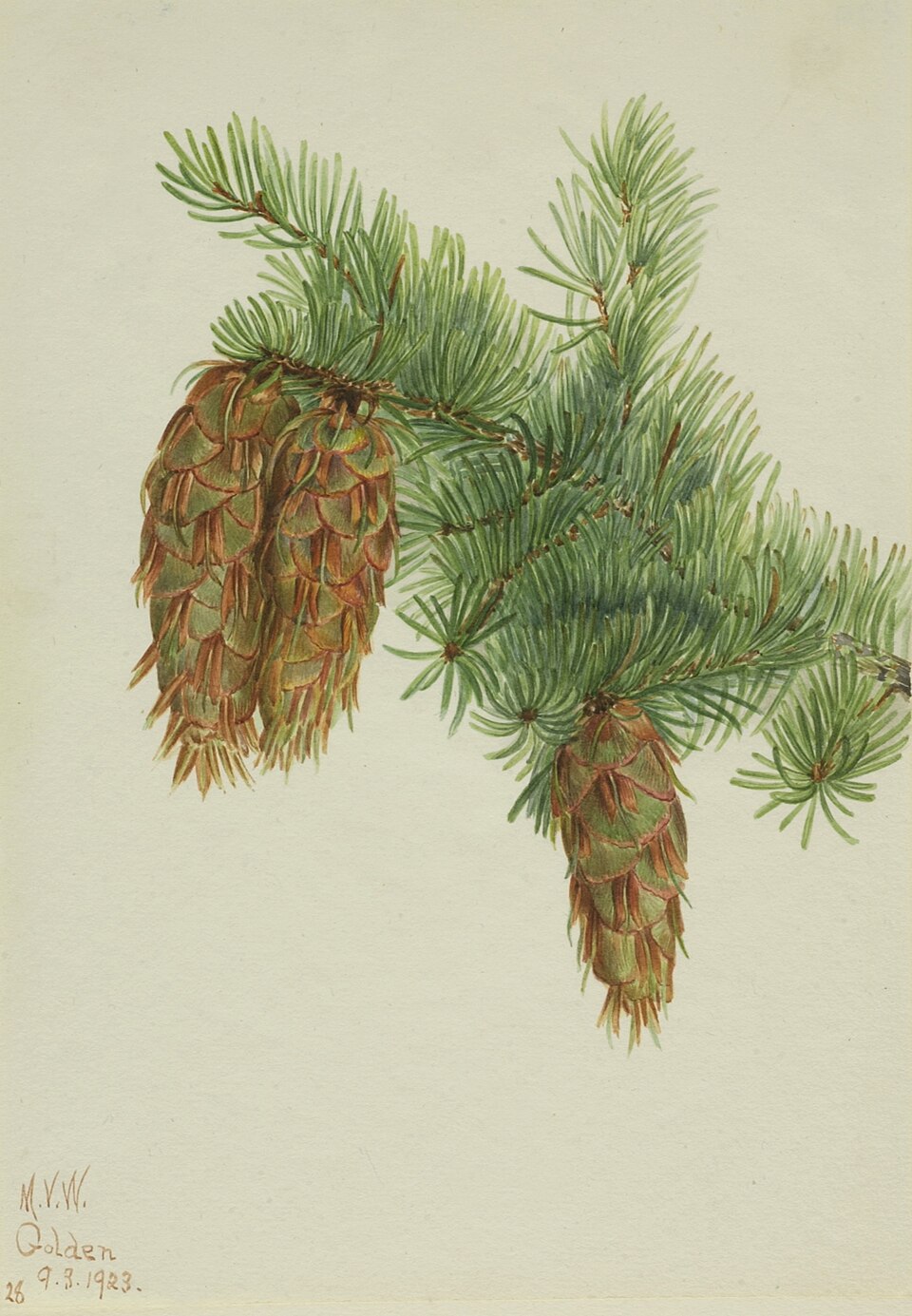
iNaturalist· cc-by-nc
(c) Lori Skulski, some rights reserved (CC BY-NC), uploaded by Lori Skulski
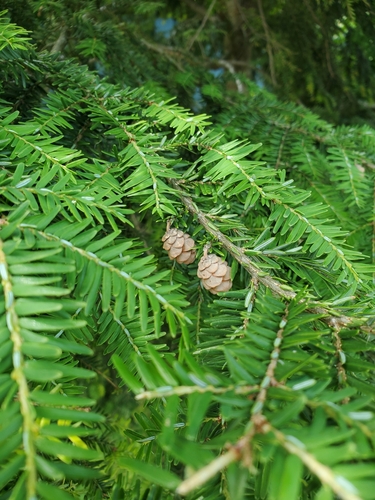
iNaturalist· cc-by-nc
(c) Mark Robinson, some rights reserved (CC BY-NC), uploaded by Mark Robinson
Description
Larix lyallii is a deciduous Tree growing to 25 m (82ft 0in). See above for USDA hardiness. It is hardy to UK zone 3 and is not frost tender. The species is hermaphrodite (has both male and female organs). Suitable for: light (sandy), medium (loamy) and heavy (clay) soils. Suitable pH: mildly acid, neutral and basic (mildly alkaline) soils. It can grow in semi-shade (light woodland) or no shade. It prefers moist soil.
Edible Uses
The shoot-tips are used as a flavouring in soups.
Distribution
Western N. America - Washington to British Columbia.
Where It Grows
NORTHERN AMERICA: Canada (Alberta (southwest), British Columbia (south)), United States (Idaho (north), Montana (west), Washington)
Cultivation
Prefers an open airy position in a light or gravelly well-drained soil. Intolerant of badly drained soils, but tolerates acid and infertile soils. Succeeds on rocky hill or mountain sides and slopes. A north or east aspect is more suitable than west or south. This species is very cold-hardy when fully dormant, but the trees can be excited into premature growth in Britain by mild spells during the winter and they are then very subject to damage by late frosts and cold winds. Plants are not very successful in Britain, they have been tried on many occasions but have failed to make a satisfactory tree. A specimen at the Hillier Arboretum was 4.5 metres tall in 1970 and suffered frost damage each year. This species is impossible to grow in lowland Britain, though it should succeed above a height of 300 metres in the eastern Scottish Highlands. Growth is normally slow in Britain with average height increases of less than 30cm per year. Hybridizes freely with other members of this genus. Closely related to L. occidentalis. Open ground plants, 1 year x 1 year are the best for planting out, do not use container grown plants with spiralled roots. Plants transplant well, even when coming into growth in the spring. Plants in this genus are notably resistant to honey fungus.
Propagation
Seed - sow late winter in pots in a cold frame. One months cold stratification helps germination. It is best to give the seedlings light shade for the first year. As soon as they are large enough to handle, prick out the seedlings into individual pots. Although only a few centimetres tall, they can be planted out into their permanent positions in the summer providing you give them an effective weed-excluding mulch and preferably some winter protection for their first year. Otherwise grow them on in the cold frame for their first winter and plant them out in early summer of the following year. The seed remains viable for 3 years If you are growing larger quantities of plants, you can sow the seed in an outdoor seedbed in late winter. Grow on the seedlings in the seedbed for a couple of years until they are ready to go into their permanent positions then plant them out during the winter.
Other Uses
Tannin Wood. The bark contains tannin. Wood - strong, heavy, hard, coarse-grained and durable.