Pseudotsuga menziesii var. glauca
(Beissn.) Franco
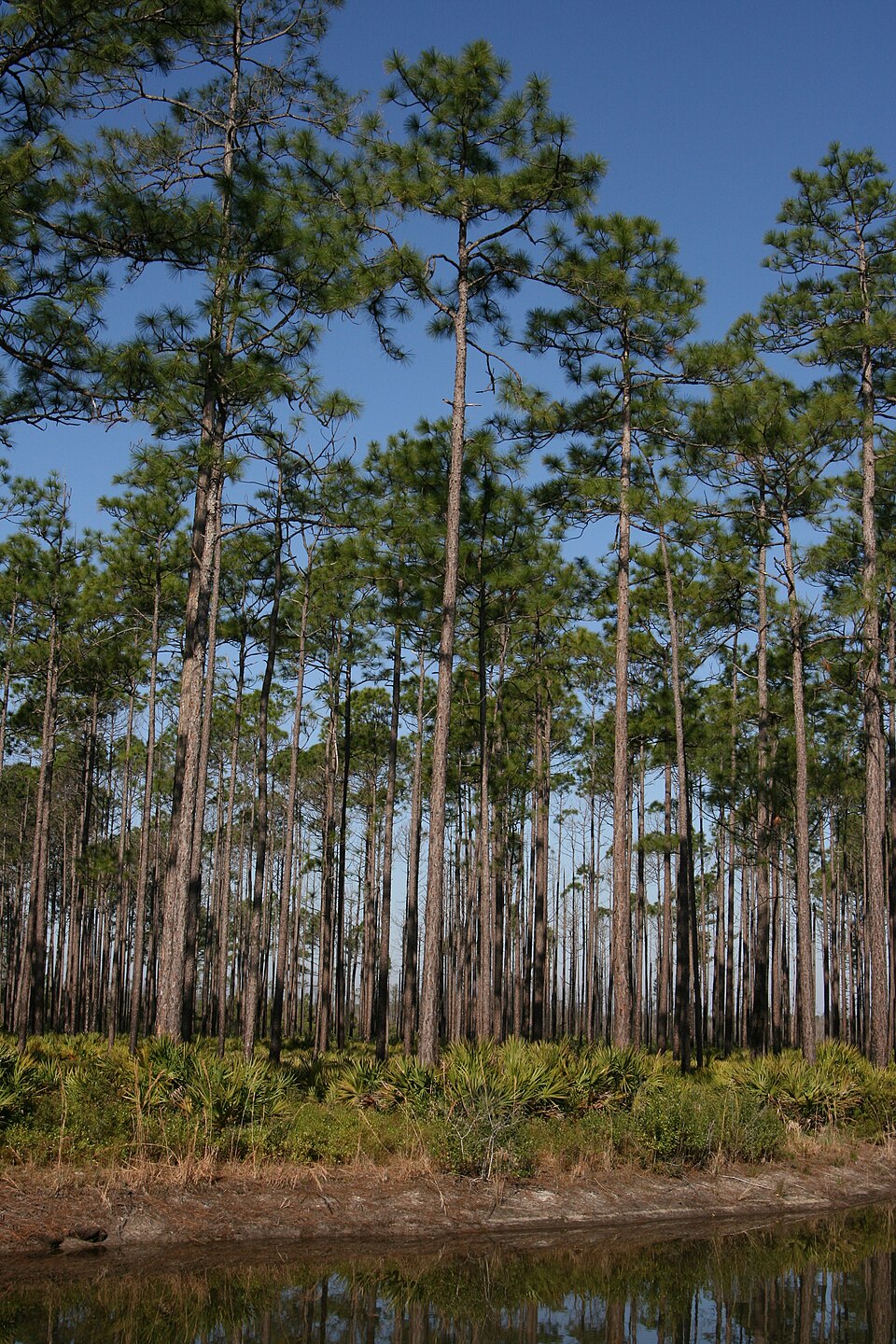
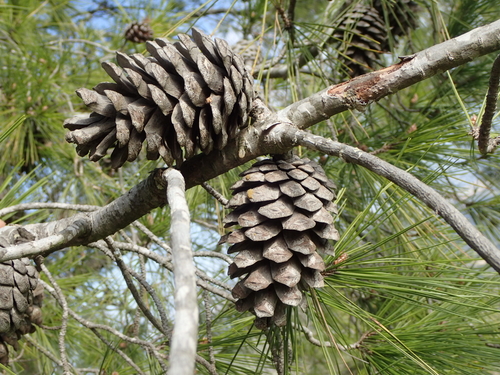
iNaturalist· cc-by-nc
(c) Tracy S., some rights reserved (CC BY-NC), uploaded by Tracy S.
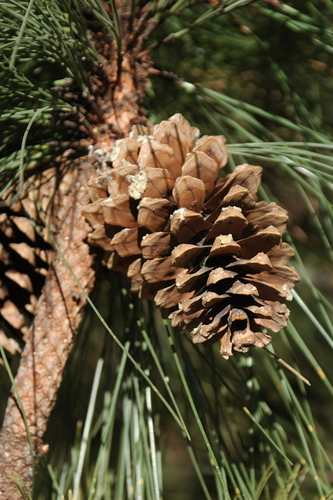
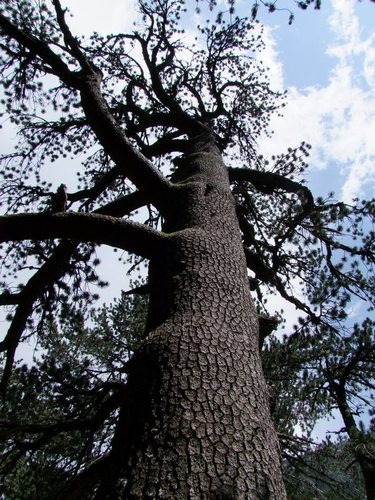
iNaturalist· cc-by-nc
(c) Maleen Mund, some rights reserved (CC BY-NC), uploaded by Maleen Mund
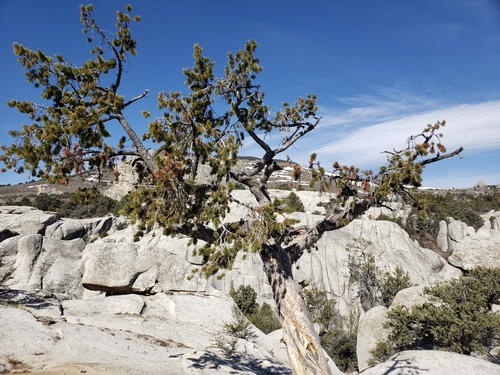
iNaturalist· cc-by-nc
(c) Jared Manninen, some rights reserved (CC BY-NC), uploaded by Jared Manninen
Summary
Source: WikipediaPseudotsuga menziesii var. glauca, or Rocky Mountain Douglas-fir, is an evergreen conifer native to the interior mountainous regions of western North America, from central British Columbia and southwest Alberta in Canada southward through the United States to the far north of Mexico. The range is continuous in the northern Rocky Mountains south to eastern Washington, eastern Oregon, Idaho, western and south-central Montana and western Wyoming, but becomes discontinuous further south, confined to "sky islands" on the higher mountains in Utah, Colorado, Arizona and New Mexico, with only very isolated small populations in eastern Nevada, westernmost Texas, and northern Mexico. It occurs from 600 m altitude in the north of the range, up to 3,000 m, rarely 3,200 m, in the south. Further west towards the Pacific coast, it is replaced by the related coast Douglas-fir (Pseudotsuga menziesii var. menziesii), and to the south, it is replaced by Mexican Douglas-fir in high mountains as far south as Oaxaca. Some botanists have grouped Mexican Douglas-fir with P. menziesii var. glauca, but genetic and morphological evidence suggest that Mexican populations should be considered a different variety (Pseudotsuga menziesii var. lindleyana). Rocky Mountain Douglas-fir is most commonly treated as a variety (Pseudotsuga menziesii var. glauca), but has also been called a subspecies (Pseudotsuga menziesii subsp. glauca) or more rarely (mainly in the past) a distinct species (Pseudotsuga glauca). The strong ecological and genetic differentiation with intergradation limited primarily to postglacial contact zones in British Columbia supports infraspecific groupings. Some botanists have further split Rocky Mountain Douglas-fir into two varieties, but these are not widely acknowledged and have only limited support from genetic testing.
Description
A temperate conifer tree that produces a crystalline sugar exudate from its branches.
This description is brief — help expand it
Edible Uses
The crystalline sugar exudate from the branches can be eaten alone or with balsamroot seeds and can be stored.
Traditional Uses
The crystalline sugar exudate from the branches is eaten alone or with balsamroot seeds. It can be stored.
This uses section is brief — help expand it
Distribution
It is a temperate plant.
Where It Grows
North America, Slovenia, USA,
Also Known As
Sinja duglazija
References (2)
- http://www.botanic-gardens-ljubljana.com/en/plants
- Moerman, D. F., 2010, Native American Ethnobotany. Timber Press. p 450