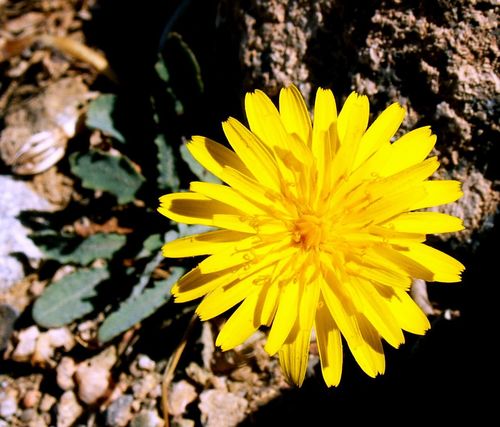
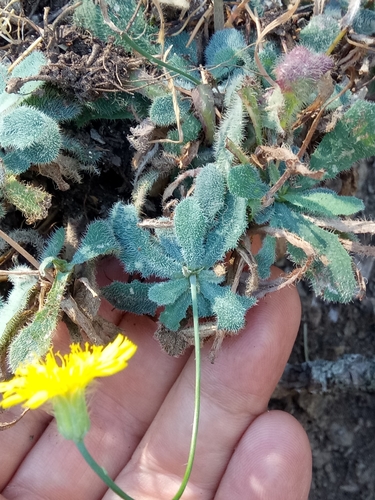
Lapsana apogonoides
Maxim.
gbif· cc-by
Meise Botanic Garden
Description
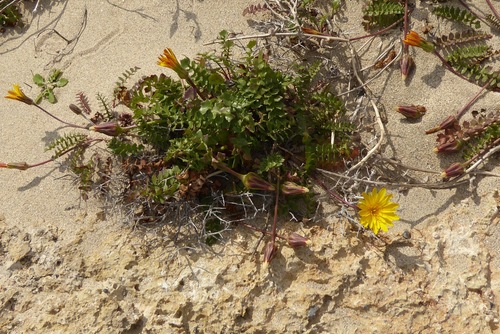
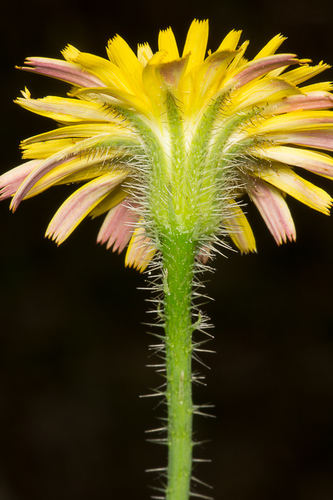
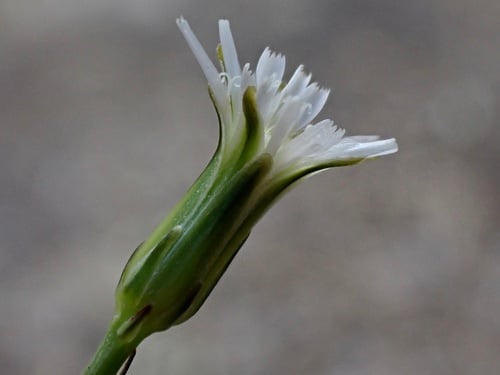
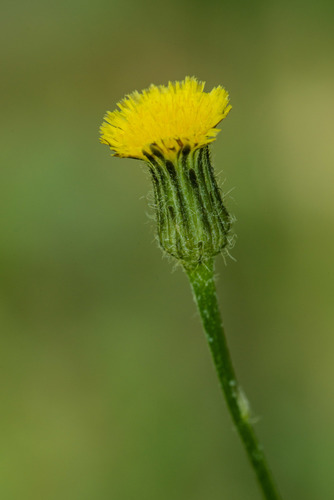
Lapsana apogonoides is a BIENNIAL growing to 0.3 m (1ft). The species is hermaphrodite (has both male and female organs) and is pollinated by Bees, flies, Lepidoptera (Moths & Butterflies). The plant is self-fertile. Suitable for: light (sandy), medium (loamy) and heavy (clay) soils. Suitable pH: neutral and basic (mildly alkaline) soils. It can grow in semi-shade (light woodland) or no shade. It prefers moist soil.
Edible Uses
Young plant - cooked. A famine food, it is only used when better foods are not available. Seed - cooked. It can be used like rice.
Distribution
E. Asia - China and Japan.
Where It Grows
TEMPERATE ASIA: China (Anhui Sheng, Fujian Sheng, Guangdong Sheng, Guangxi Zhuangzu Zizhiqu, Hunan Sheng, Jiangsu Sheng, Jiangxi Sheng, Shaanxi Sheng, Yunnan Sheng, Zhejiang Sheng), Korea, Japan (Honshu, Kyushu, Shikoku)
Cultivation
We have very little information on this species and do not know if it will succeed outdoors in Britain, though judging by its native range it is likely to be hardy at least in the milder areas of the country. The plant will probably prefer full sun or light shade and is likely to be fairly tolerant of soil types.
Propagation
Seed - sow in situ during mid to late summer, or as soon as it is ripe, and only just cover the seed.