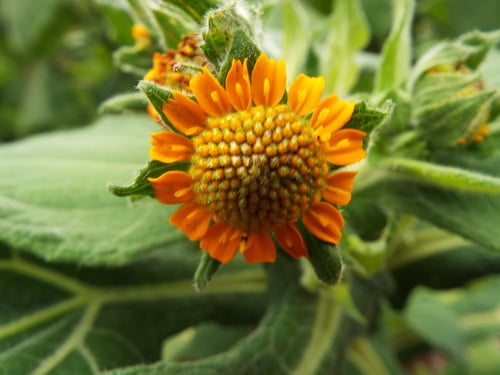
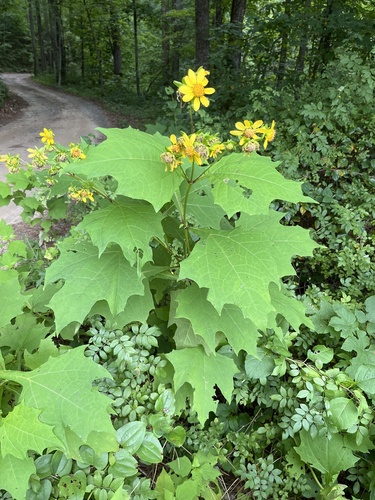
Trilisa odoratissima - (Walter. ex J.F.Gmel.)Cass.
(Walter. ex J.F.Gmel.)Cass.
Vanilla Plant, Vanillaleaf
gbif· cc-by-nc
brownheadednuthatch
gbif· cc-by-nc
thesoulflowers
gbif· cc-by-nc
thesoulflowers
Description
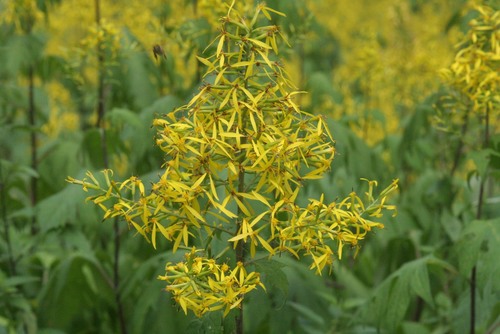
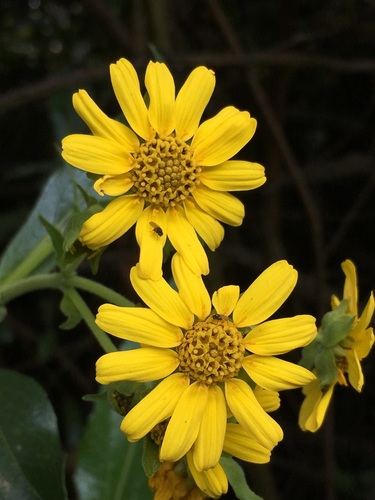
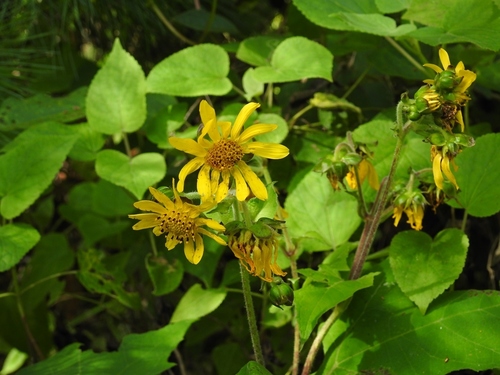
Trilisa odoratissima is a PERENNIAL growing to 1 m (3ft 3in). It is in flower in September. The species is hermaphrodite (has both male and female organs) and is pollinated by Insects. Suitable for: light (sandy) and medium (loamy) soils. Suitable pH: mildly acid, neutral and basic (mildly alkaline) soils and can grow in very acid soils. It can grow in semi-shade (light woodland) or no shade. It prefers moist soil.
Edible Uses
Condiment. The leaves are used as a flavouring, they have the scent of vanilla. Some caution is advised, see the notes above on toxicity.
Medicinal Uses
Malaria. The leaves are demulcent, diaphoretic, diuretic and tonic. They are a folk remedy for coughs, malaria and neuroses. The leaves are high in coumarins and have been experimentally effective in the treatment of high-protein oedema. Some caution is advised, see notes above on toxicity.
Known Hazards
The plant contains coumarins, this is what gives it the scent of newly mown hay. When used internally, especially from dried plants, it can act to prevent the blood from co-aggulating. Coumarins are implicated in liver disease and haemorrhage.
Distribution
South-eastern N. America - North Carolina to Florida, west to Missouri.
Where It Grows
NORTHERN AMERICA: United States (Alabama, Florida, Georgia (south), Louisiana (east), North Carolina (east), South Carolina, Mississippi (south))
Cultivation
Grows well in any moderately good light soil. Plants grow in very acid soils in the wild.
Propagation
Seed - sow in a greenhouse as soon as it is ripe in the autumn. When they are large enough to handle, prick the seedlings out into individual pots and grow them on in the greenhouse for at least their first winter. Plant them out into their permanent positions in late spring or early summer, after the last expected frosts. Division in spring.
Other Uses
Repellent. The dried leaves contain coumarin and have a scent like newly mown hay. They can be used as a condiment.