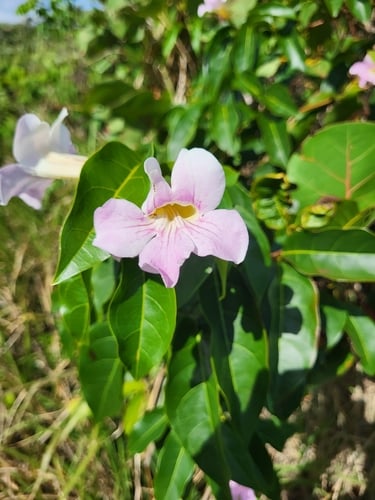
Incarvillea delavayi
Bur.&Franch.
Hardy Gloxinia
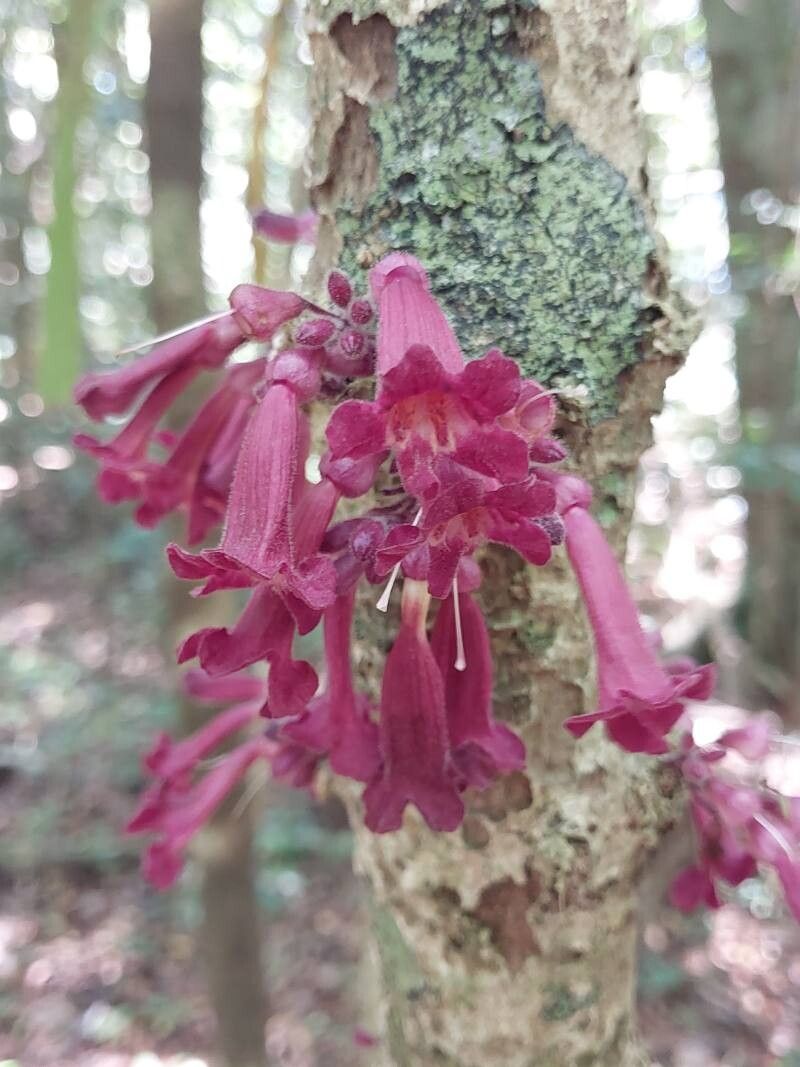
iNaturalist· cc-by-nc
(c) Ming_Ni, some rights reserved (CC BY-NC), uploaded by Ming_Ni
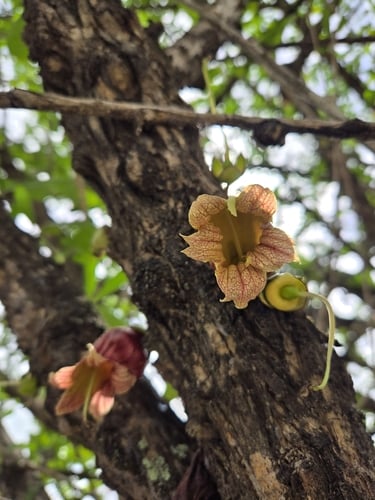
wikimedia· cc0
This Photo was taken by FredrikLähnn All my photos are public domain, but if you use them outside Wikimedia I will appreciate if you credit it Fredrik Lähnn and send me an email or contact me at my userpage. (via Wikimedia Commons)
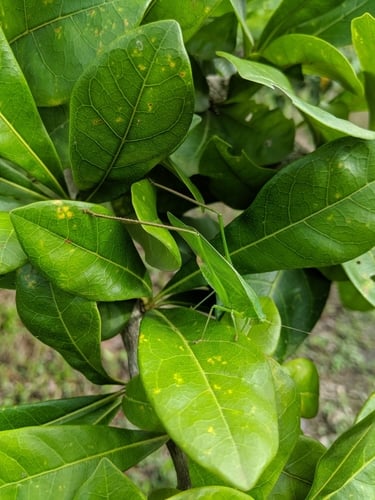
wikimedia· cc-by-sa
Epibase (via Wikimedia Commons)
Description
Incarvillea delavayi is a PERENNIAL growing to 0.4 m (1ft 4in) by 0.3 m (1ft) at a medium rate. See above for USDA hardiness. It is hardy to UK zone 6. It is in flower from May to June. The species is hermaphrodite (has both male and female organs). Suitable for: light (sandy) and medium (loamy) soils and prefers well-drained soil. Suitable pH: neutral and basic (mildly alkaline) soils. It can grow in semi-shade (light woodland) or no shade. It prefers moist soil and can tolerate drought.
Edible Uses
Leaves and young shoots - cooked. A famine food, it is only used when all else fails. Some caution is advised, see the notes above on toxicity.
Known Hazards
One report suggests that the plant might be slightly toxic.
Distribution
E. Asia - S.W. China in Yunnan.
Where It Grows
TEMPERATE ASIA: China (Sichuan Sheng, Yunnan Sheng (northwest))
Cultivation
Easily grown in a deep sandy but rich soil in full sun. Plants grow better if given some shade around midday. Prefers a well-drained calcareous or neutral soil and is drought tolerant when established. Another report says that it dislikes dry summer soils. Dislikes winter wet. Prefers a sheltered position. Plants are hardy to about -15°c, tolerating even lower temperatures if the roots are well mulched, preferably with dry bracken. The crown of the plant requires protection from slugs in the winter. A very ornamental plant, it usually takes about 3 - 4 years to come into flower from seed. This species is often confused in cultivation with I. mairei. Plants are intolerant of root disturbance, it is best to place them in their permanent positions whilst small. The plants will often sulk for several years if they are divided.
Propagation
Seed - sow autumn or spring in a greenhouse. Prick out the seedlings into individual pots as soon as they are large enough to handle. Grow on for at least their first winter in a greenhouse and plant out into their permanent positions in spring after the last expected frosts. Division with care in early spring or autumn.