Catalpa bungei
C. A. Mey.
Quishu, Autumn tree
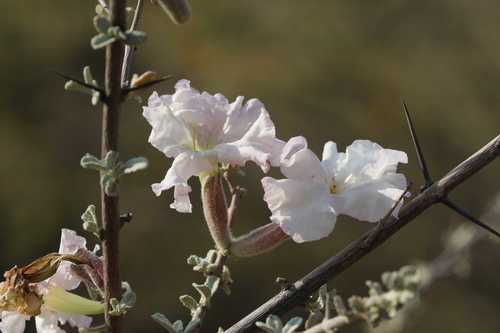
iNaturalist· cc-by-nc
(c) Dieter Albrecht, some rights reserved (CC BY-NC), uploaded by Dieter Albrecht
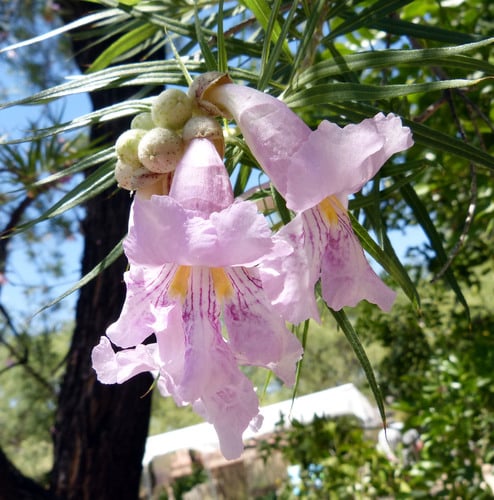
iNaturalist· cc-by-nc
(c) greenteam2, some rights reserved (CC BY-NC)
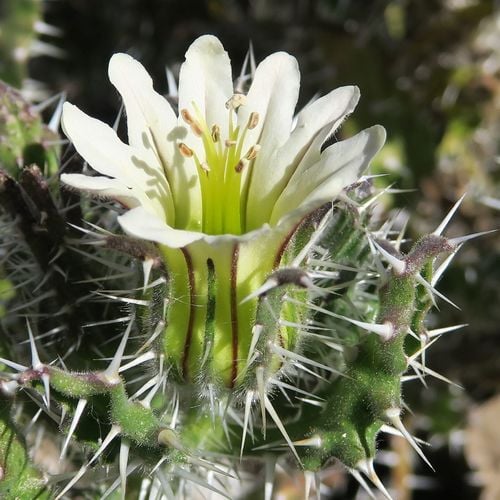
iNaturalist· cc-by-nc
(c) Dieter Albrecht, some rights reserved (CC BY-NC), uploaded by Dieter Albrecht
Summary
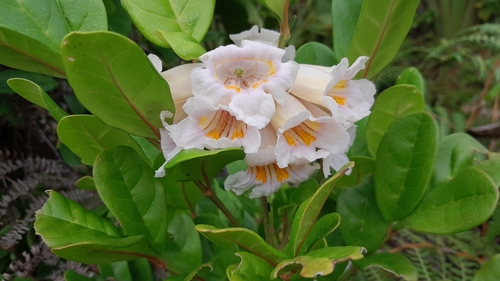
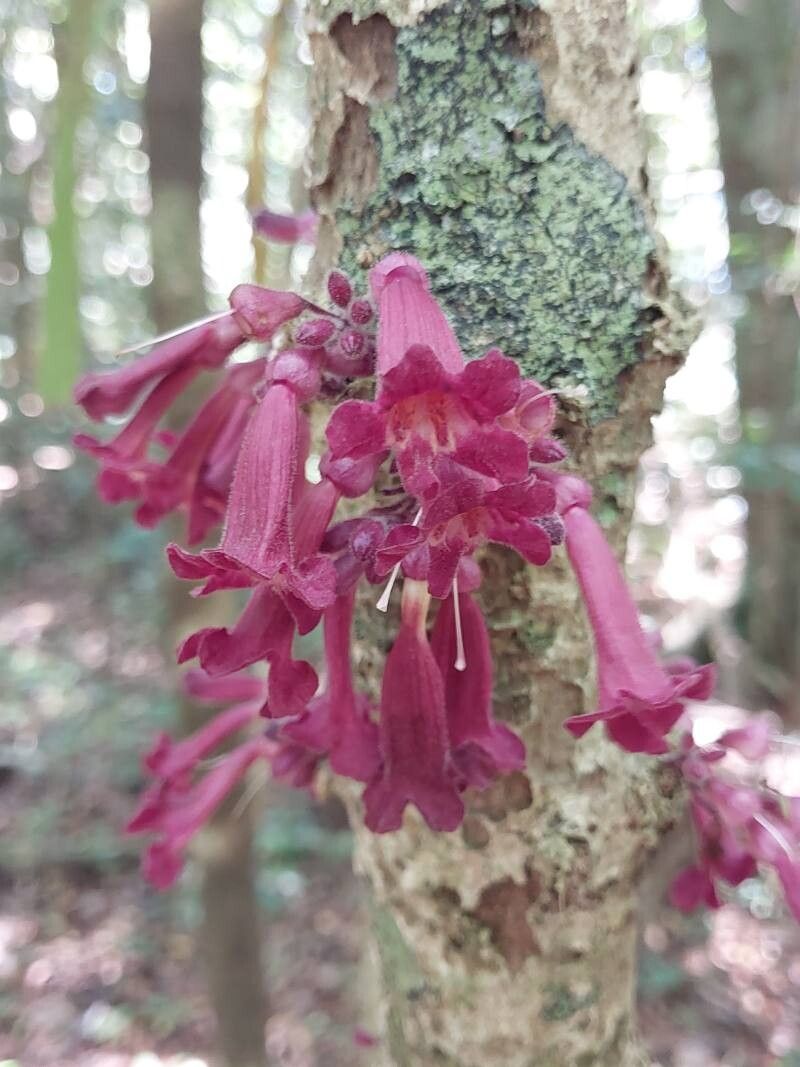
Source: WikipediaCatalpa bungei, commonly known as Manchurian catalpa, is a species of catalpa native to China. The specific epithet honors the botanist Alexander Bunge, who collected the specimens that Carl Anton von Meyer later described. The flowers are arranged in a corymb and are densely spotted with pink. It is cultivated in China, along with C. ovata, for its wood, which is also used for coffins, ancestral tablets, and oars. It also used as an ornamental tree.
Description
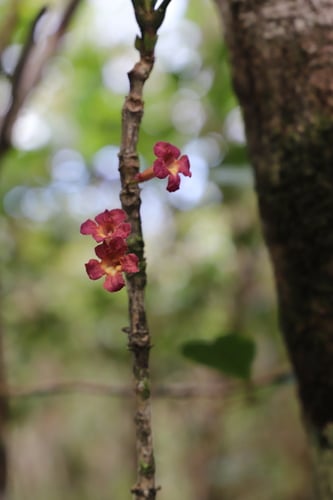
A large deciduous tree. It grows 9 m high. It spreads 3 m wide. The leaves are almost triangle shaped. They have a long central tip. The flowers are produced in small clusters of 3-12. They are pink with brown or yellow marks. The seed capsule can be 50 cm long.
Edible Uses
None known
Traditional Uses
The flowers are eaten in times of famine.
This uses section is brief — help expand it
Medicinal Uses
A lotion made from the stem bark is used for cancer. The bark is also anthelmintic and stomachic. The leaves, stem bark, and seeds are all used as poultices for sores and boils.
Distribution
It is a temperate plant. It will grow in most soils. It is best in an open sunny position. It is damaged by drought or frost. It suits hardiness zones 5-10. In Yunnan.
Where It Grows
Asia, Australia, China*, Korea, North America, Slovenia, USA,
Cultivation
Prefers a good moist loamy soil and a sunny position that is not exposed. Tolerates heavy clay soils. Very resistant to atmospheric pollution. Plants are hardy to about -15°c, probably more in continental climates, they grow best in areas with hot summers. Protect plants from late frosts when they are young. Transplants easily. There are some named varieties selected for their ornamental value. Plants in this genus are notably resistant to honey fungus.
Propagation
Seed is best sown outdoors or in a cold frame as soon as it is ripe. Stored seed should be stratified for 3 weeks at 1°C before sowing in spring. Prick seedlings into individual pots when large enough to handle and grow on in a cold frame for at least their first winter. Plant out in late spring or early summer after the last expected frosts. Softwood cuttings, 10 cm long, can be taken in late spring to early summer before the leaves are fully developed, and rooted in a frame. Root cuttings can be taken in winter.
Other Uses
The wood is hard and of excellent quality, used for printing blocks, chess tables, and similar items.
Notes
There are 11 Catalpa species.
Also Known As
Bungejev cigarovec
References (5)
- Bodkin, F., 1991, Encyclopedia Botanica. Cornstalk publishing, p 227
- Bull. Sci. Acad. Imp. Sci. Saint-Petersbourg 2:49, 51. 1837
- Cundall, P., (ed.), 2004, Gardening Australia: flora: the gardener's bible. ABC Books. p 342
- Etherington, K., & Imwold, D., (Eds), 2001, Botanica's Trees & Shrubs. The illustrated A-Z of over 8500 trees and shrubs. Random House, Australia. p 190
- Valder, P., 1999, The Garden Plants of China. Florilegium. p 270