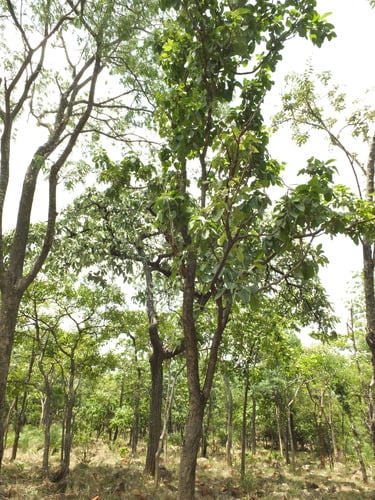
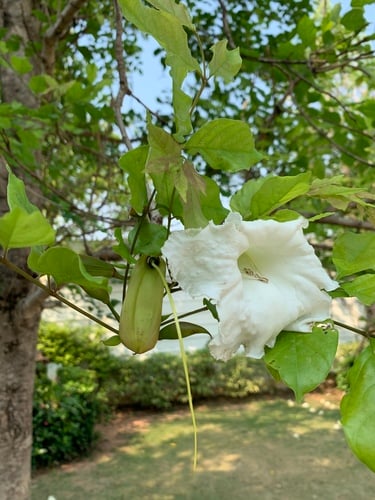
Bignonia hyacinthina
(Standl.) L. G. Lohmann
iNaturalist· cc-by-nc
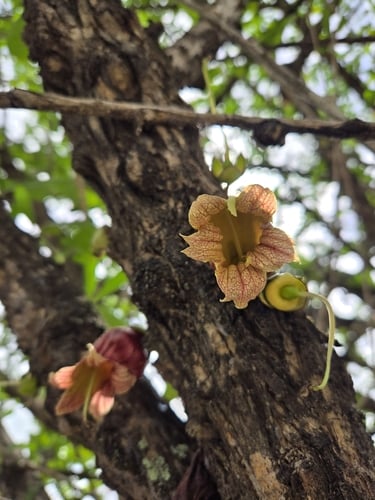
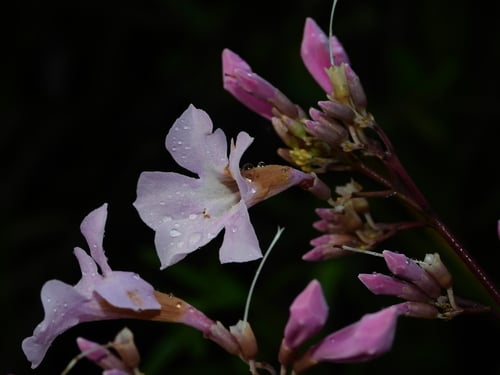
(c) Ricardo Brenes, some rights reserved (CC BY-NC), uploaded by Ricardo Brenes
iNaturalist· cc-by-nc
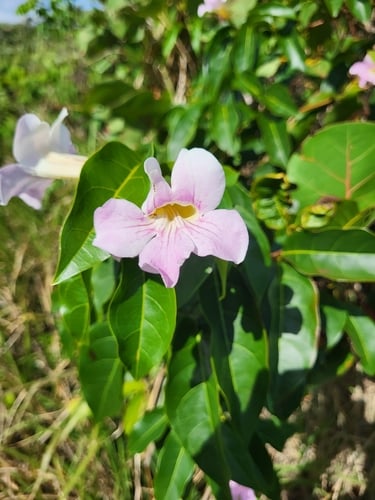
(c) Francisco Mendoza, some rights reserved (CC BY-NC)
Description
A tropical creeping vine of the Bignoniaceae family.
This description is brief — help expand it
Edible Uses
The stem bark is added to coca leaf (Erythroxylum spp.) in order to sweeten the flavour. It is used as a masticatory with coca and is also chewed on its own, being said to have euphoric and medicinal benefits.
Medicinal Uses
The bark is often used as an admixture with coca (Erythroxylum spp.), being said to improve the actions of the coca leaf and to give a sense of well-being and tranquility. When chewed with coca, it serves to sweeten the leaf and make it more digestive. A decoction of the bark is drunk as a treatment for diarrhoea. When drunk as an infusion, the bark eliminates fatigue from the body. It is known as a stomachic and tonic and is much employed for treating colic and flatulence. Coca leaf chewed with the bark is applied in a cataplasm to treat wounds, bruises, blows and sprains. The ash (of the bark?) is used to dust wounds which then heal easily. The dried bark is powdered, then mixed with urine and saliva, and applied topically to wounds. An infusion of the leaves is drunk in the treatment of stomach ache and abdominal pain.
Distribution
It is a tropical plant.
Where It Grows
Amazon, Central America, Mexico,
Other Uses
The stems are used in basket making.
Synonyms
Also Known As
Chamairo
References (1)
- Kermath, B. M., et al, 2014, Food Plants in the Americas: A survey of the domesticated, cultivated and wild plants used for Human food in North, Central and South America and the Caribbean. On line draft. p 133