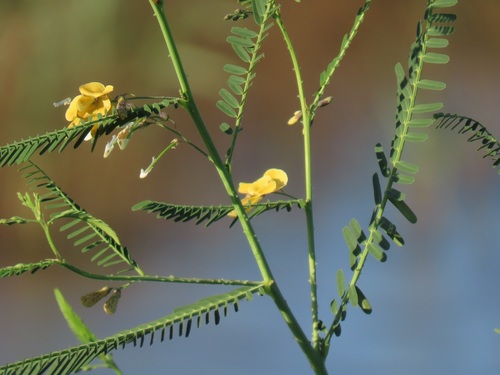
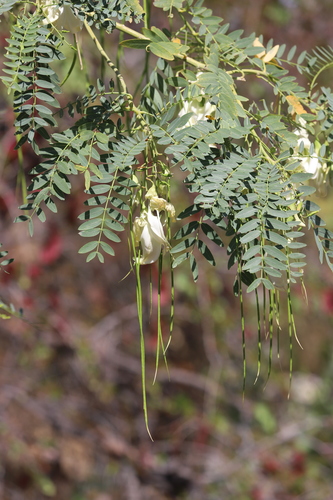
Erythrophleum ivorense
A.Chev.
Ordealtree, sasswoodtree
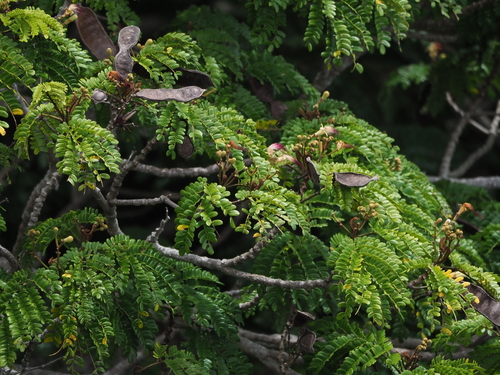
gbif· cc-by-nc-nd
Christ Kombil, West & Central Africa programme
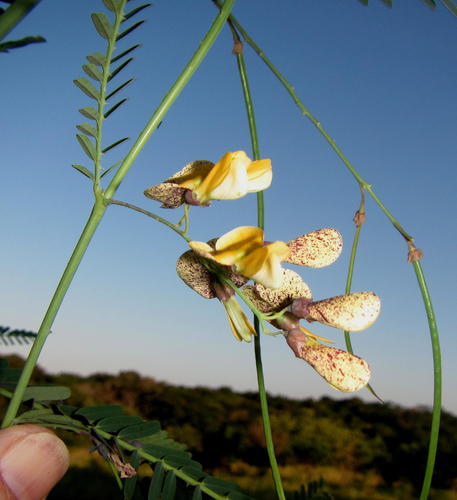
gbif· cc-by-nc-nd
Christ Kombil, West & Central Africa programme
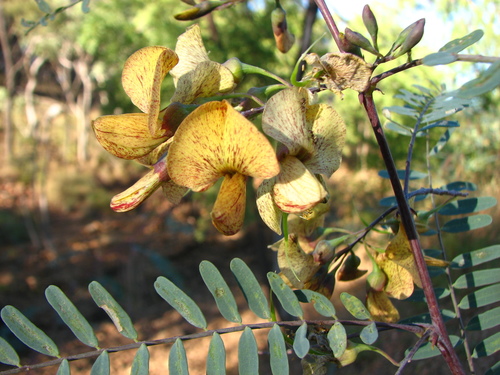
gbif· cc-by-nc-nd
Christ Kombil, West & Central Africa programme
Description
Erythrophleum ivorense is a deciduous Tree growing to 30 m (98ft) by 25 m (82ft) at a medium rate. See above for USDA hardiness. It is hardy to UK zone 10. It can fix Nitrogen. Suitable for: light (sandy), medium (loamy) and heavy (clay) soils and prefers well-drained soil. Suitable pH: mildly acid, neutral and basic (mildly alkaline) soils. It cannot grow in the shade. It prefers moist soil.
Edible Uses
A bark decoction added to fermenting palm wine would make it a more potent drink.
Medicinal Uses
Anaesthetic Cardiac Diuretic Emetic LaxativeA bark extract is taken orally as an emetic and laxative. A decoction of the bark is applied externally to relieve pain. Water in which the bark of young branches is crushed, is rubbed on the skin to treat smallpox. The plant is a source of alkaloids. The bark contains the alkaloids cassaine, cassaidine and erythrophleguine. The alkaloid content ranges from 0.2% to 1.1%. In high doses, the bark extract is an extremely strong, rapid-acting cardiac poison, in warm-blooded animals causing shortness of breath, seizures and cardiac arrest in a few minutes. The alkaloids have a stimulant effect on the heart similar to that of the cardenolides digitoxine (from Digitalis) and ouabain (from Strophanthus gratus), but the effect is very short-lasting, as the alkaloids are quickly metabolized in the organism. Cassaine and cassaidine have strong anaesthetic and diuretic effects, and increase contractions of the intestine and uterus. Apart from an increase of heart contraction in systole, the alkaloids also demonstrated an increase in diastole. In addition, cassaidine caused depressive effects, while cassaine caused a violent state of excitation. Although the alkaloid content in the seeds is markedly lower than in the stem bark, the seeds are more toxic. This strong activity is due to a strong haemolytic saponin, which acts in a synergistic way with the alkaloids.
Known Hazards
The bark, and sometimes the seeds, are widely used as hunting and ordeal poison. The bark is used as fish poison. The sawdust may irritate mucous membranes and may cause allergy and asthma of labourers in sawmills.
Distribution
West tropical Africa - Gambia to Cameroon, Central African Republic and Gabon.
Where It Grows
AFRICA: Cameroon, Equatorial Guinea, Côte D‘Ivoire, Ghana, Gambia, Guinea-Bissau, Liberia, Nigeria
Cultivation
Requires a sunny position. In Cote d'Ivoire the mean annual bole diameter increment has been recorded as 6.5mm; in the Central African Republic it is 4.5mm. The logs sink in water and so cannot be transported by floating along a river. This species has a symbiotic relationship with certain soil bacteria, these bacteria form nodules on the roots and fix atmospheric nitrogen. Some of this nitrogen is utilized by the growing plant but some can also be used by other plants growing nearby.
Propagation
Seed - best sown as soon as it is ripe in a sunny position in a nursery seedbed. Germination usually takes place within 3 weeks. Inoculating the soil with Bradyrhizobium bacteria is beneficial and results in increases in height and diameter of about 40% after 4 months.
Other Uses
Charcoal Fuel Tannin Wood. The bark is used for tanning. The heartwood is an orangey yellowish brown to reddish brown, darkening upon exposure; it is clearly demarcated from the 3 - 6cm wide band of creamy-yellow sapwood. The grain is interlocked; the texture coarse; the lustre is moderate. The wood is hard to very hard; heavy to very heavy; elastic; durable, even in contact with the soil, being resistant to fungi, dry wood borers and termites. It seasons slowly, with a high risk of checking and distortion; once dry it is moderately stable to stable in service. The wood is difficult to saw, with a fairly high blunting effect, stellite-tipped sawteeth and tungsten carbide tools are recommended; finishing is generally fair, but planing may be difficult due to interlocked grain; pre-boring is necessary for nails and screws; gluing properties are good for internal purposes only. The wood and iron should not be in contact in damp situations because of risks of reciprocal attack between the wood and the metal. The wood is suitable for joinery, heavy flooring, railway sleepers, harbour and dock work, turnery, construction and bridges. It is also used for boat building and wheel hubs. The wood is a good fuel and makes excellent charcoal.
Synonyms
Also Known As
Ordealtree, sasswoodtree