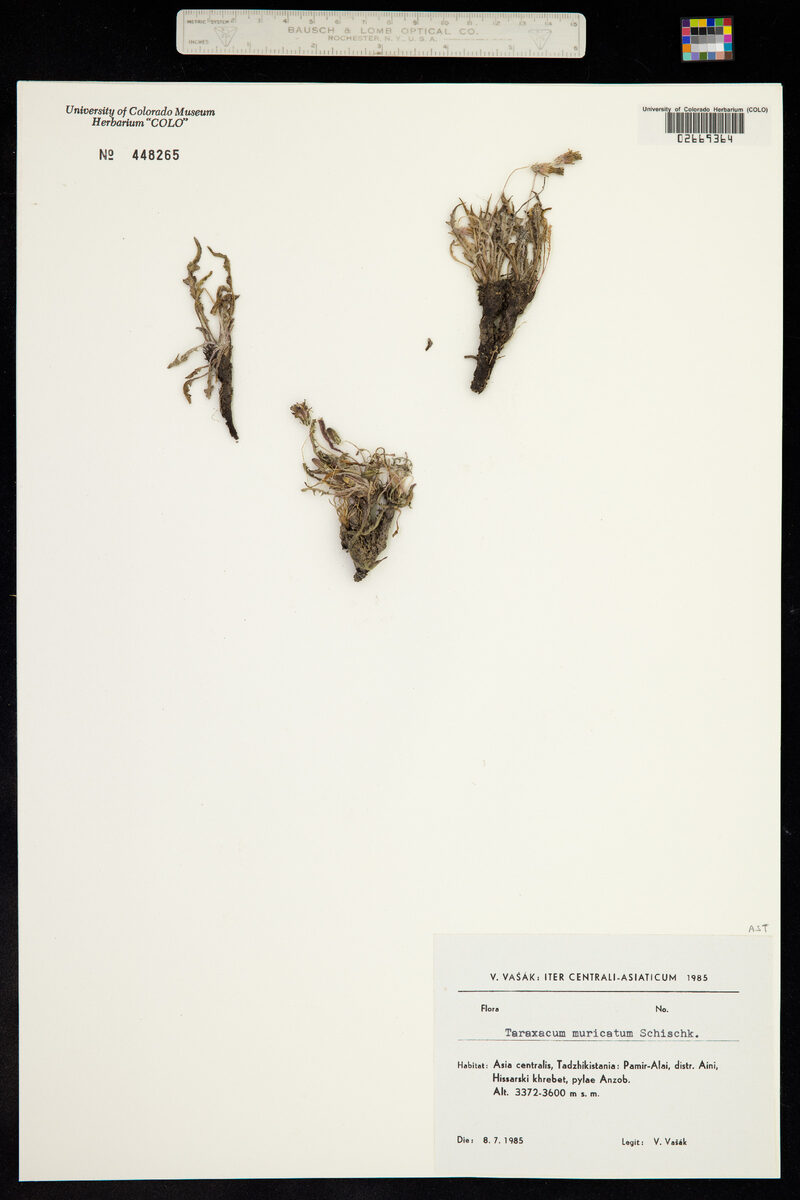
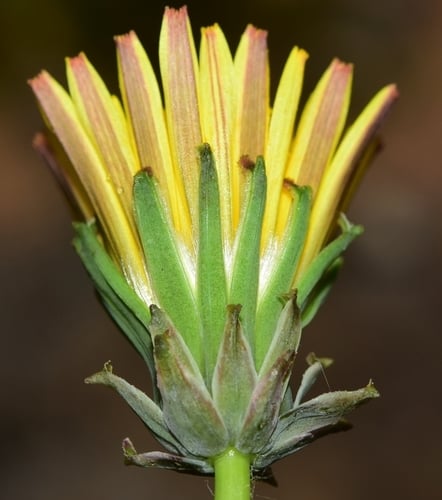
Cacalia auriculata
DC.
gbif· cc-by
GBIF
gbif· cc-by
GBIF
gbif· cc-by
GBIF
Description
Cacalia auriculata is a PERENNIAL growing to 1.2 m (4ft). It is in flower from August to September, and the seeds ripen from August to September. The species is hermaphrodite (has both male and female organs) and is pollinated by Insects. Suitable for: light (sandy), medium (loamy) and heavy (clay) soils. Suitable pH: mildly acid and neutral soils. It can grow in full shade (deep woodland) or semi-shade (light woodland). It prefers moist soil.
Edible Uses
Young leaves - cooked.
Distribution
E. Asia - Japan, Manchuria, Siberia.
Where It Grows
TEMPERATE ASIA: Russian Federation (Kurile Islands, Habarovskij kraj, Primorye, Amur, Kamcatskij kraj, Magadanskaja oblast, Sakhalin), China (northeast), Korea, Japan (Hokkaidô, Honshu (north)) NORTHERN AMERICA: United States (Alaska (Aleutian Islands))
Cultivation
We have very little information on this species and do not know if it will be hardy in Britain, though judging by its native range it should succeed outdoors in many parts of this country. The following notes are based on the general needs of the genus. Prefers a moist peaty or leafy lime-free soil in shade or semi-shade. Plants tend to be somewhat invasive, they are best suited to naturalizing in the wild or woodland garden.
Propagation
Seed - we have no information on this species but suggest sowing the seed in spring in a cold frame. Surface sow or only just cover the seed and do not allow the compost to dry out. Prick out the seedlings into individual pots when they are large enough to handle and grow them on in light shade until they are large enough to plant out. Division in spring.