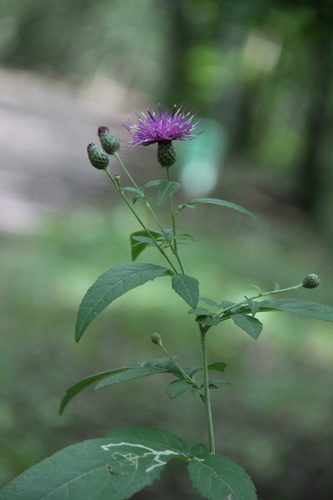
Cichorium divaricatum
(Heldr. ex Nym.) Schousb.
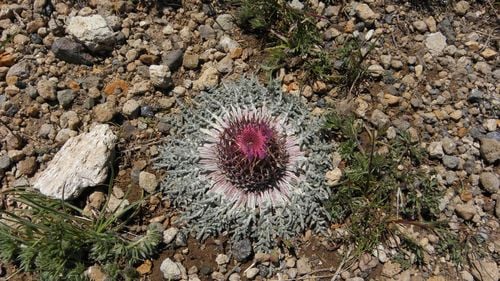
iNaturalist· cc-by-nc
(c) brachaw, some rights reserved (CC BY-NC)
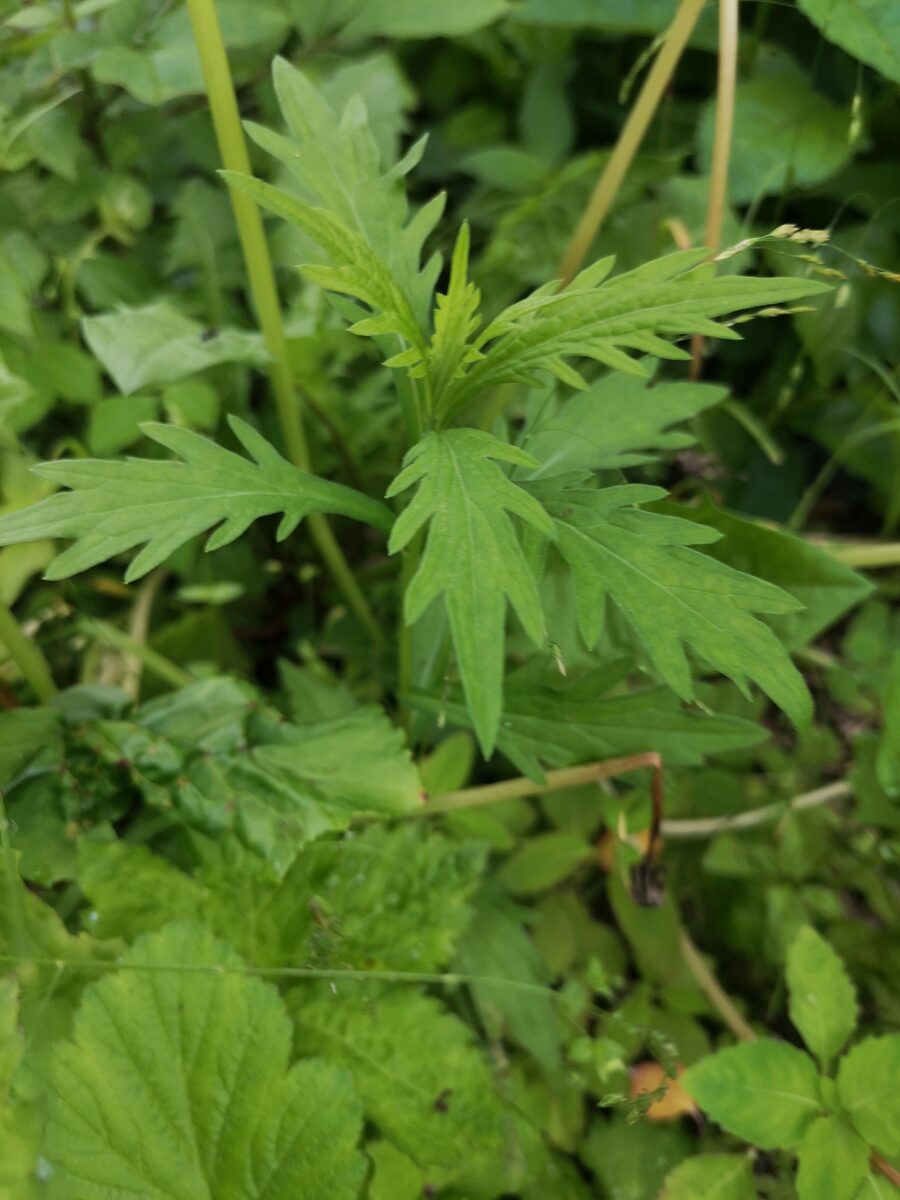
iNaturalist· cc-by
(c) aarongunnar, some rights reserved (CC BY)
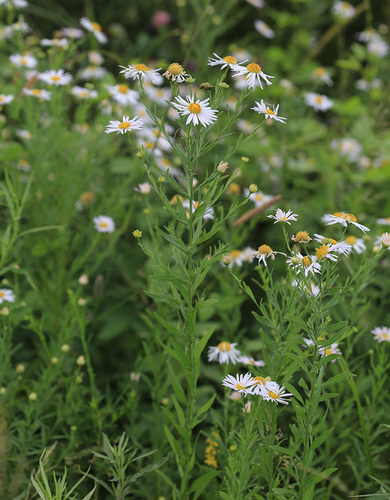
iNaturalist· cc-by-nc
(c) giuliallv, some rights reserved (CC BY-NC)
Description
A herb in the Asteraceae family found in Mediterranean climates. Young plants are typically gathered for culinary use.
This description is brief — help expand it
Edible Uses
The entire plant is edible. Raw chicory leaves are 92% water, 5% carbohydrates, 2% protein, and contain negligible fat. In a 100-gram (3½ oz) reference amount, raw chicory leaves provide 23 calories (96 J) and significant amounts (more than 20% of the Daily Value) of vitamin K, vitamin A, vitamin C, some B vitamins, and manganese. Vitamin E and calcium are present in moderate amounts. Raw endive is 94% water and has low nutrient content.
Traditional Uses
Young plants are gathered and used in soups or eaten with butter, or oil and salt.
This uses section is brief — help expand it
Distribution
It is a Mediterranean climate plant.
Where It Grows
Africa, Mediterranean, Morocco, North Africa, Tunisia,
Notes
There are about 9 Cichorium species.
Synonyms
Also Known As
Ahrlilou, Hendeb, Mersag, Serisa, Tilfaf, Timerzoug, Timizgat, Tsalina
References (3)
- BOUQUET
- Famine foods
- Iagttag. Vextrig. Marokko 197. 1800