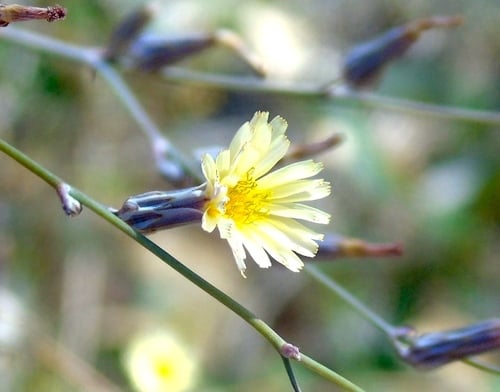
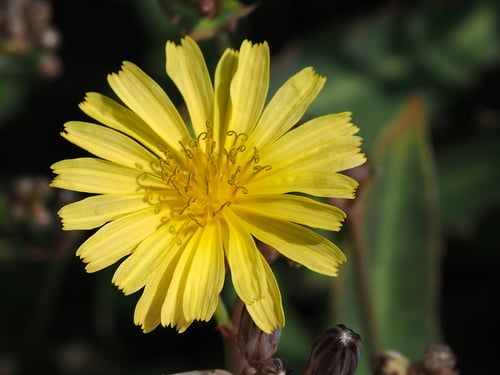
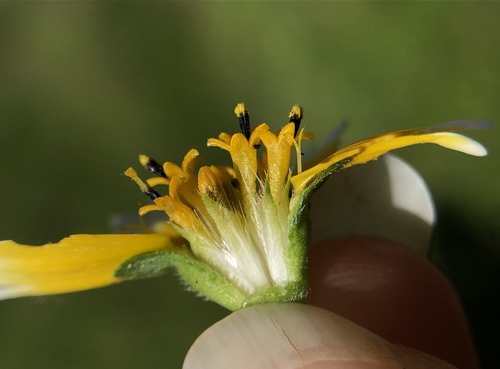
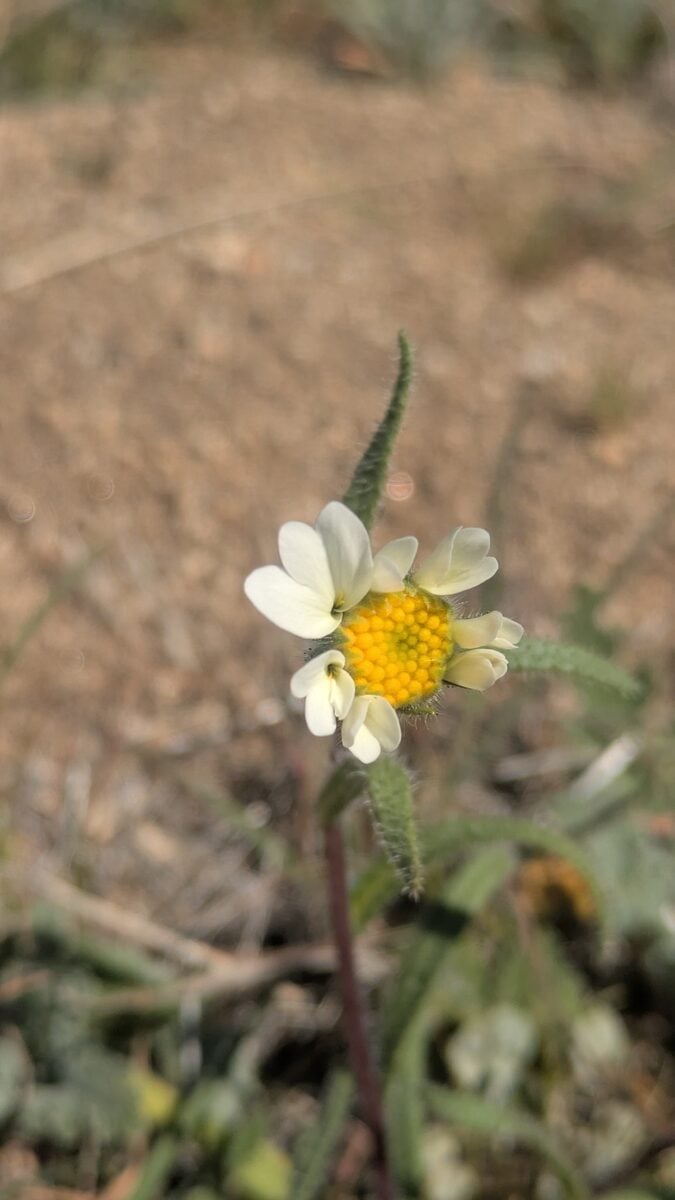
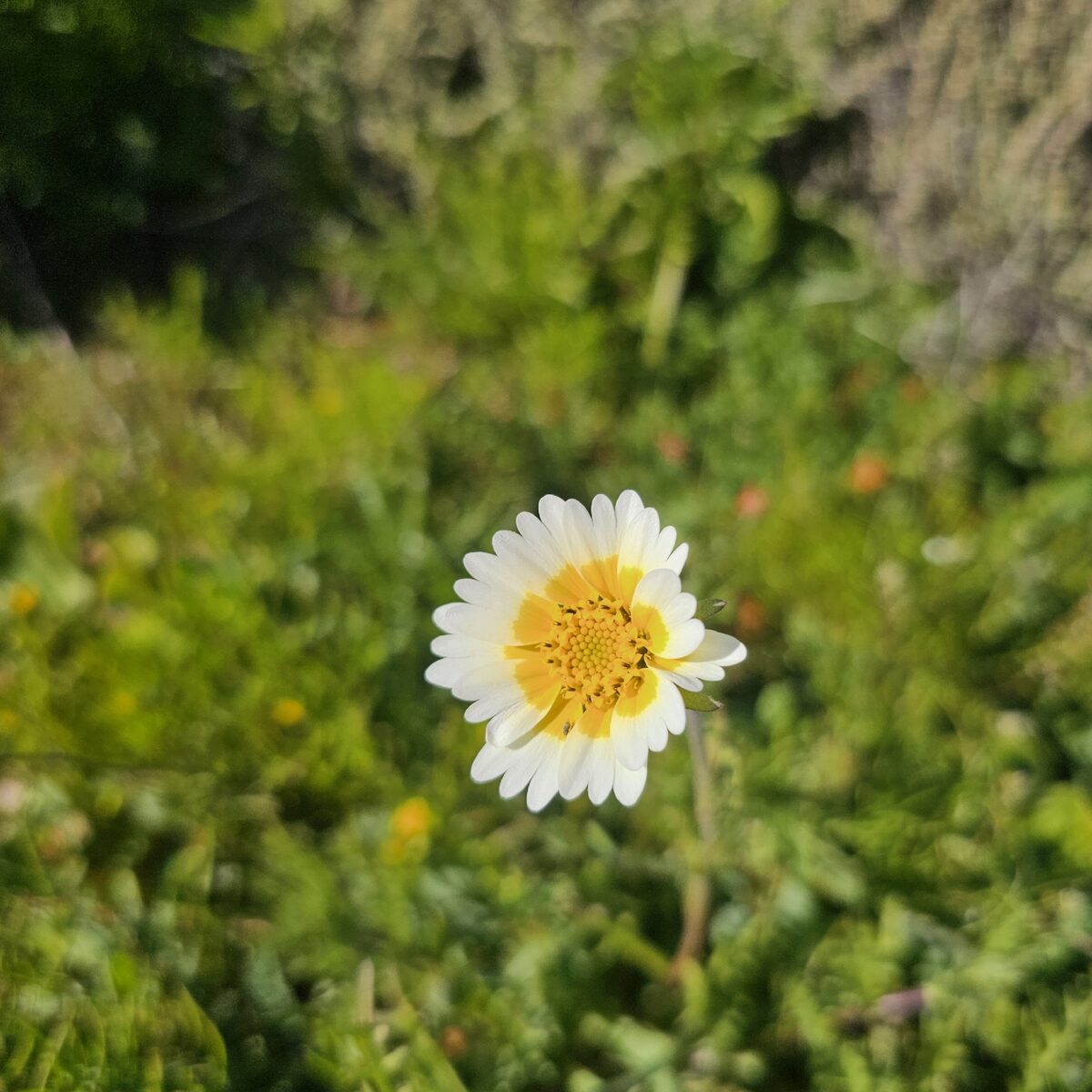
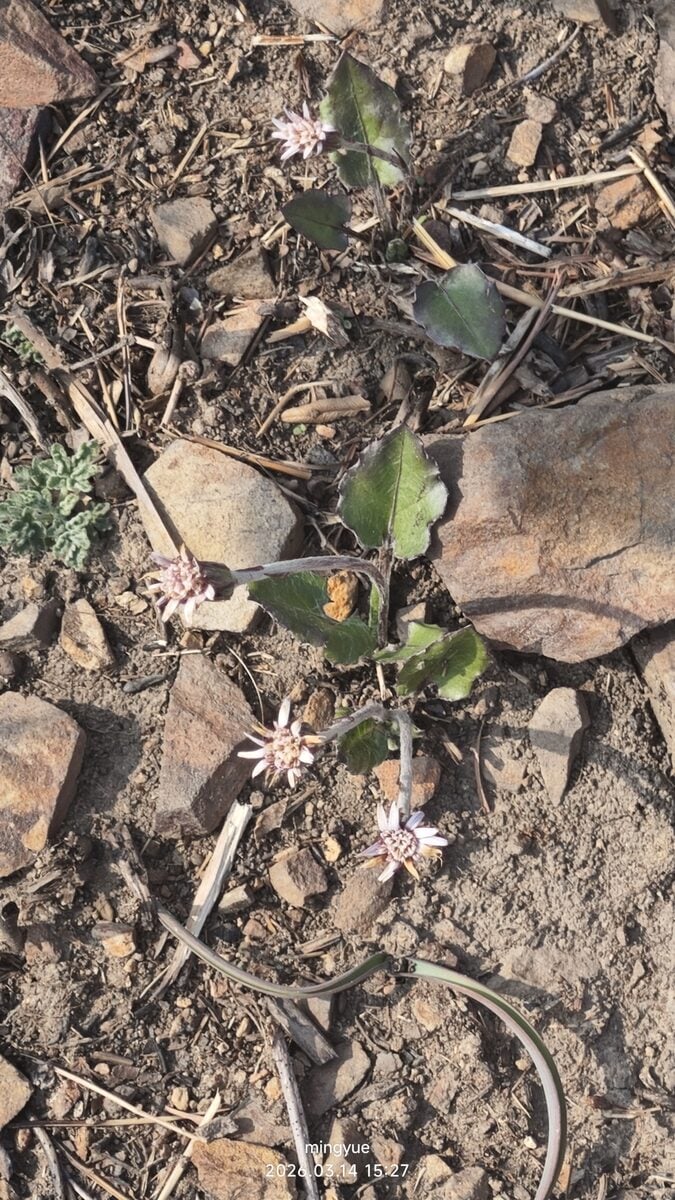
Cichorium pumilum
Jacq.
Dwarf chicory
iNaturalist· cc-by-nc
(c) Uriah Resheff, some rights reserved (CC BY-NC), uploaded by Uriah Resheff
iNaturalist· cc-by-nc
(c) jcordeiro, some rights reserved (CC BY-NC)
iNaturalist· cc-by-nc
(c) hchavez, some rights reserved (CC BY-NC), uploaded by hchavez
Summary
Source: WikipediaCichorium pumilum is a Mediterranean species of plant in the tribe Cichorieae within the family Asteraceae. Like the other species of Cichorium, its leaves are edible by humans. The plant produces bluish-violet flower heads and fleshy taproots.
Description
A herb. It grows 5-100 cm tall. The stems are branched in a divided fashion. They are waxy. The leaves are oblong. The flowering heads do not have stalks. The flowers are blue.
Edible Uses
The leaves are usually gathered from wild plants and are edible in the same way as other Cichorium species. They are a good source of iron, containing more than 150mg per 100g on a dry weight basis. The leaves make a very acceptable addition to the salad bowl in moderate quantities. When too bitter, they can be blanched by excluding light from the growing plant to reduce bitterness, though this also reduces the plant's nutritional value.
Traditional Uses
The young leaves are boiled and eaten as salad with yoghurt. They are also fried with onions and spices. The roasted roots are used as a coffee substitute.
Medicinal Uses
The ethyl acetate extract of Cichorium pumilum (CGEA) shows significant anti-inflammatory and hepatoprotective effects. It can reduce inflammatory factors, decrease liver inflammation, and alleviate liver fibrosis degeneration. CGEA also promotes the growth of beneficial intestinal bacteria, alters intestinal microbiota composition, and improves intestinal barrier function, helping to prevent liver fibrosis caused by intestinal inflammation. The main sesquiterpenoid in CGEA, lactucin, contributes to these anti-inflammatory properties by inhibiting the MAPK and Akt signalling pathways, reducing the expression of pro-inflammatory factors, and suppressing the release of inflammatory mediators.
Distribution
It is a Mediterranean plant. It grows in marshes.
Where It Grows
Africa, Crete, Egypt, Europe, Greece, Iran, Israel, Italy, Jordan, Libya, Mediterranean, Middle East, Palestine, Sicily, Turkey, Türkiye,
Cultivation
Wild. An annual Mediterranean herb/weed with slender taproot, Stem 6–40 cm high. It has bluish-violet flower heads and fleshy taproots.
Propagation
Propagate by seed.
Other Uses
The plant produces attractive flowers and is suitable for cottage gardens, wildflower gardens, and forest gardens.
Synonyms
Also Known As
Hendba', Hindiba, Ilt, Nirvia sarvaggia, 'Olesh
References (12)
- Ali-Shtayeh, M. S., et al, 2008, Traditional knowledge of wild edible plants used in Palestine (Northern West Bank): A comparative study. J Ethnobiol Ethnomed. 4: 13
- Al-Qura'n, S. A., 2010, Ethnobotanical and Ecological Studies of Wild Edible Plants in Jordan. Libyan Agriculture Research Center Journal International 1(4):231-243
- Bidak, L. M., et al, 2015, Goods and services provided by native plants in desert ecosystems: Examples from the northwestern coastal desert of Egypt. Global Ecology and Conservation 3 (2015) 433–447 (As Cichorium intybus subsp. divaricatum)
- Ertug, F, Yenen Bitkiler. Resimli Türkiye Florası -I- Flora of Turkey - Ethnobotany supplement (Also as Cichorium glandulosum)
- Geraci, A., et al, 2018, The wild taxa utilized as vegetables in Sicily (Italy): a traditional component of the Mediterranean diet. Journal of Ethnobiology and Ethnomedicine (2018) 14:14
Show all 12 references Hide references
- Hadjichambis, A. C., et al, 2007, Wild and semi-domesticated food plant consumption in seven circum-Mediterranean areas. International Journal of Food Sciences and Nutrition. 2007, 1-32.
- INFOODSUpdatedFGU-list.xls
- Mahklouf, M. H., 2019, Ethnobotanical Study of Edible Wild Plants in Libya. European Journal of Ecology. 5(2): 30-40
- Mayer-Chussuck, U & Lev, E., 2014, Wild Edible Plants in Israel Tradition Versus Cultivation. in Z. Yaniv, N. Dudai (eds.), Medicinal and Aromatic Plants of the Middle-East, Springer
- Pasta, S., et al, 2020, An Updated Checklist of the Sicilian Native Edible Plants: Preserving the Traditional Ecological Knowledge of Century-Old Agro-Pastoral Landscapes. Frontiers in Plant Science. Volume 11|Article 388
- Tukan, S. K., et al, 1998, The use of wild edible plants in the Jordanian diet. International Journal of Food Sciences and Nutrition. 49:225-235
- World Checklist of Useful Plant Species 2020. Royal Botanic Gardens, Kew